Table of Contents
Obesity and Cancer Risk: What Research Shows and How to Reduce It

By Dr. Gajendra Kumar Himanshu


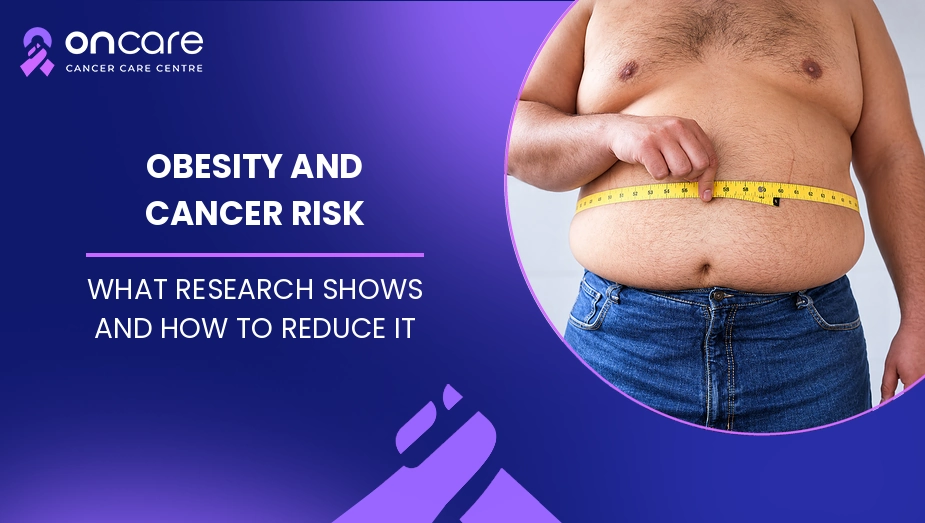
Obesity can increase the risk of several types of cancer, including breast cancer after menopause, colorectal cancer, endometrial cancer, kidney cancer, liver cancer, pancreatic cancer, gallbladder cancer, and esophageal cancer. Research suggests that extra body fat may affect hormones, insulin levels, inflammation, and other body processes that can support cancer development. Maintaining a healthy weight, staying physically active, eating a balanced diet, and avoiding tobacco and excess alcohol can help reduce overall cancer risk.
The connection between obesity and cancer is complex. Having obesity does not mean that a person will definitely develop cancer, and people at a healthy weight can also develop cancer. However, research shows that keeping a healthy weight is an important part of cancer prevention.
In this blog, we will explain how obesity may increase cancer risk, which cancers are linked to excess weight, what research says about weight loss, and simple steps that can help reduce the risk.
How Does Obesity Increase Cancer Risk?
Body fat is not simply stored energy. Fat tissue can affect hormones and other chemical signals in the body. When a person has excess body fat, the body may produce higher levels of certain hormones, including estrogen. Higher estrogen levels are linked with the risk of some cancers, including postmenopausal breast and endometrial cancers.
Obesity can also be linked with higher levels of insulin and insulin-like growth factor-1 (IGF-1). These substances can affect how cells grow and divide. Long-term inflammation related to excess body fat may also create conditions that support abnormal cell growth.
For a broader understanding of cancer risk factors, you can read our guide on what causes cancer, which explains how lifestyle, infections, genetics, and other factors can influence cancer risk.
Which Cancers Are Linked to Obesity?
Research has found a clear link between excess body weight and several cancers. The strength of the link is different for each cancer. The evidence is particularly strong for endometrial and esophageal cancers.
Some cancers associated with overweight or obesity include:
- Breast cancer after menopause
- Colorectal cancer
- Endometrial cancer
- Esophageal cancer
- Kidney cancer
- Liver cancer
- Pancreatic cancer
- Gallbladder cancer
- Ovarian cancer
- Thyroid cancer
- Multiple myeloma
- Meningioma
This does not mean obesity is the only cause of these cancers. Cancer usually develops because of a combination of factors, including age, genetics, infections, lifestyle, and environmental exposures.
You can also learn more from our cancer prevention blog, which covers practical daily habits that may help lower cancer risk.
Why Is Body Weight Important for Cancer Prevention?
Maintaining a healthy weight is important not only because it may lower the risk of certain cancers, but also because it supports overall health. Obesity is also linked with conditions such as type 2 diabetes, high blood pressure, and heart disease.
Some cancer organisations recommend trying to reach and maintain a healthy weight throughout life. They also recommend regular physical activity and a healthy eating pattern that includes vegetables, fruits, whole grains, and beans while limiting highly processed foods, sugary drinks, and processed meats.
A healthy weight does not mean having a perfect body shape or reaching a specific number quickly. The goal is to develop habits that can be followed safely and consistently.
Does Losing Weight Reduce Cancer Risk?
This is an important question, and research is still developing. Studies suggest that intentional weight loss may reduce the risk of some obesity-related cancers, but researchers are still studying how much weight loss is needed and how long the benefit lasts.
For example, some studies have found lower risks of breast and endometrial cancer among people who intentionally lost weight. Weight-loss surgery has also been associated with lower risks of several cancers in people with obesity. However, these findings do not mean that everyone needs rapid or major weight loss to prevent cancer.
Even modest weight loss can have other health benefits. If you are trying to lose weight, it is better to focus on safe, gradual changes rather than extreme diets.
Simple Ways to Reduce Obesity and Cancer Risk
Healthy habits can help with both weight management and cancer prevention. You do not need to change everything at once. Small, regular changes can become long-term habits.
Choose More Nutritious Foods
Try to include more vegetables, fruits, whole grains, beans, lentils, nuts, and other nutrient-rich foods in your meals. Limit foods and drinks that are high in added sugar and calories but provide little nutrition.
Portion size also matters. Eating slowly and paying attention to hunger and fullness can make it easier to avoid overeating.
Stay Physically Active
Regular movement can help control body weight and is also linked with a lower risk of several cancers. Adults should aim for 150 to 300 minutes of moderate activity each week, or 75 to 150 minutes of vigorous activity.
Moderate activities can include brisk walking, cycling, dancing, or similar activities that make your heart beat faster.
If you are not active now, start slowly. Even adding more walking and reducing long periods of sitting can be useful.
Obesity and Cancer: Key Research Findings
The main research findings on obesity and cancer are summarised below:
Research finding | What it means |
|---|---|
Excess body weight is linked with several cancers | Obesity can increase cancer risk, but it is not the only risk factor |
Hormone changes may play a role | Higher estrogen and other hormone levels may affect some cancers |
Chronic inflammation may contribute | Long-term inflammation can affect normal cell growth |
Physical activity is linked with lower risk of some cancers | Regular movement supports healthy weight and may have other protective effects |
Weight loss may lower the risk of some cancers | Research suggests possible benefits, but the exact effect is still being studied |
Healthy habits are important after cancer diagnosis too | Nutrition and activity should be planned according to the person's health and treatment |
Can People With Cancer Lose Weight Safely?
If you already have cancer, weight loss should be approached differently. Cancer treatment can sometimes cause appetite loss, unintentional weight loss, and loss of muscle. In these situations, losing more weight may not be healthy.
If you have obesity and are receiving cancer treatment, talk with your oncologist before starting a weight-loss diet or exercise program. Your nutritional needs can change during chemotherapy, radiation therapy, surgery, or other treatments.
A dietitian or cancer care team can help you choose an eating and activity plan that supports your treatment and overall health.
For more information, see our blog on lifestyle changes during cancer treatment.
Other Ways to Lower Cancer Risk
Weight management is only one part of cancer prevention. Other healthy choices also matter. Avoiding tobacco, limiting alcohol, staying active, eating a balanced diet, getting recommended vaccinations, and following appropriate cancer screening can all contribute to lower cancer risk.
It is also important to remember that no lifestyle change can guarantee that a person will never develop cancer. The goal is to reduce avoidable risks and support better overall health.
If you want to read more about obesity and cancer, you can visit the National Cancer Institute.
Consult Today
Obesity is linked with an increased risk of several cancers, but it is only one part of a person's overall cancer risk. Healthy weight management, regular physical activity, balanced nutrition, and routine medical care can help support long-term health.
At Oncare Cancer Hospital, our cancer specialists can help you understand your individual cancer risk, evaluate concerning symptoms, and guide you toward appropriate screening, prevention, and treatment options. If you have already been diagnosed with cancer, our team can also help you manage nutrition, physical activity, and other lifestyle needs according to your treatment plan.
Disclaimer
This information is for educational purposes only and does not constitute medical advice, diagnosis, or treatment. Weight, nutrition, and activity plans should be based on each person's health and, where relevant, their cancer treatment. Always discuss such decisions with a certified cancer healthcare provider.





Frequently Asked Questions
Obesity does not mean cancer will definitely develop, but research shows that excess body weight increases the risk of several types of cancer.
The strongest associations are seen with endometrial and esophageal cancers, although obesity is linked with several other cancers as well.
Intentional weight loss may lower the risk of some obesity-related cancers, but researchers are still studying the full effect.
Adults are generally advised to get 150 to 300 minutes of moderate physical activity each week, or 75 to 150 minutes of vigorous activity.
Written and Verified by:
Dr. Gajendra Kumar Himanshu Exp: 10 Yr
Medical Officer
Book an Appointment
Related Blogs
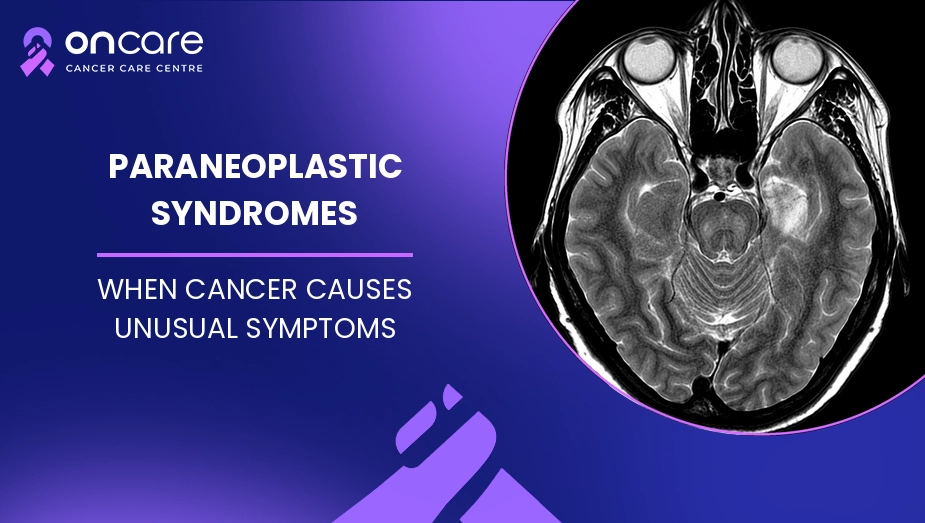
Paraneoplastic Syndromes: When Cancer Causes Unusual Symptoms
Learn about paraneoplastic syndromes, their symptoms, types, cancer links, diagnosis, and treatment, with expert guidance from Oncare Cancer Hospital.
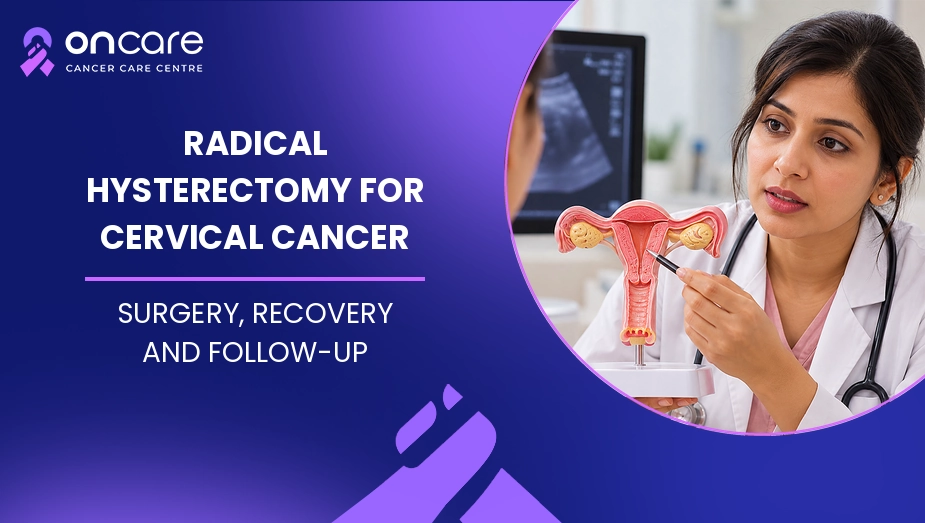
Radical Hysterectomy for Cervical Cancer: Surgery, Recovery and Follow-Up
Learn about radical hysterectomy for cervical cancer, including surgery, recovery, side effects, risks, fertility, and follow-up at Oncare Cancer Hospital.
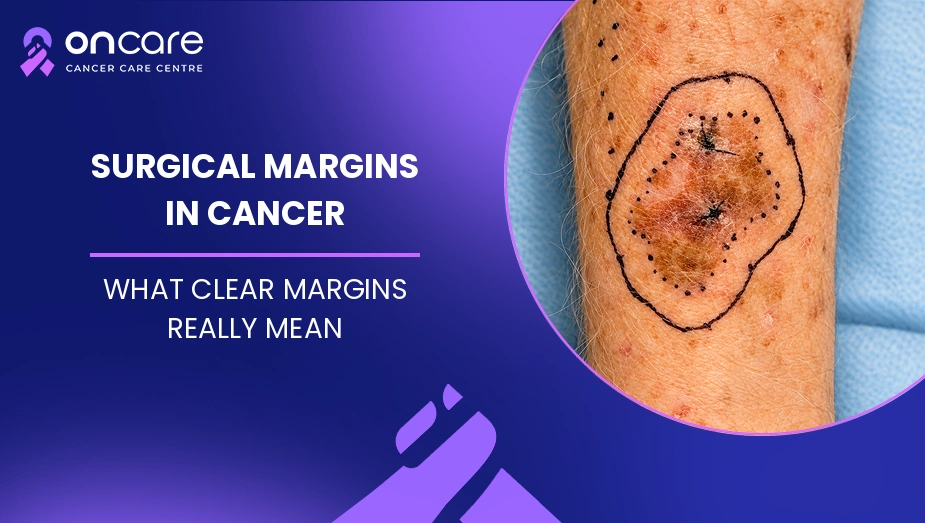
Surgical Margins in Cancer: What Clear Margins Really Mean
Understand clear, positive, and close surgical margins in cancer, what they mean in pathology reports, and how they may affect further treatment at Oncare Hospital.