Table of Contents
Why Does Cancer Happen? Key Causes You Should Know

By Dr. Gajendra Kumar Himanshu


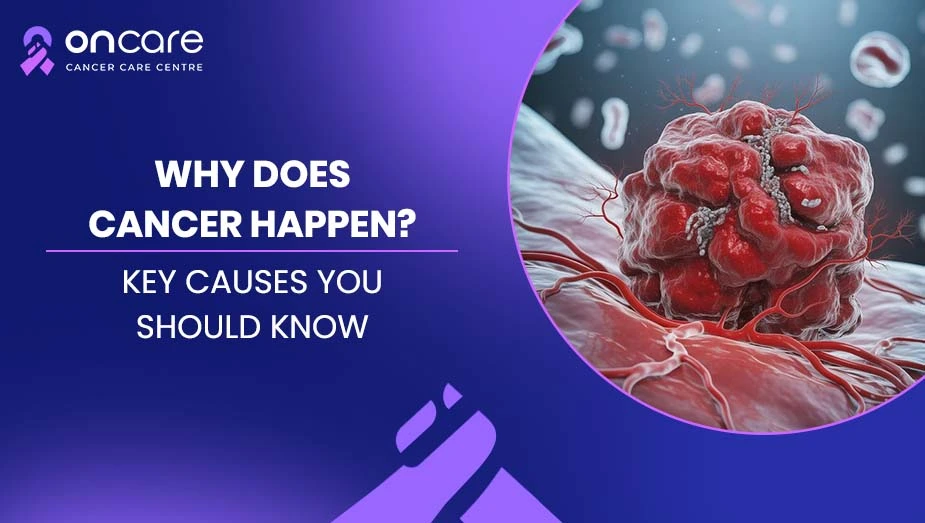
A healthy person suddenly finds out they have cancer. Lung cancer can happen to someone who has never smoked. Another person lives a long time without getting sick. So, what truly causes cancer?
It's not easy to answer. There isn't just one reason why cancer happens. It usually happens because of several things that happen over time. The National Cancer Institute says that cancer starts when mutations happen in the DNA of cells, which affects how they grow and divide.
Knowing why cancer happens can help you lower your risk and stay healthier.
What is cancer?
Cancer is a disease in which cells in the body grow out of control. Cells usually develop, divide, and die in a controlled manner. But this mechanism doesn't work right in cancer.
These aberrant cells can create tumors, hurt adjacent tissues, and even move to other parts of the body, which is called metastasis.
The National Cancer Institute says that cancer is not just one disease, but a group of several disorders that are all connected.
What Causes Cancer to Start?
At the cellular level, cancer begins. DNA controls millions of cells in our bodies. DNA directs cells when to grow, split, and die.
Cells may do the following when DNA is damaged or changed:
- Get bigger too quickly
- Not dying when they should, and forming aberrant masses
The CDC says that these mutations can happen because of things inside the body, like heredity, or things outside the body, including the environment and lifestyle.
Important Things You Should Know About Cancer
1. Changes in genes
The major reason people get cancer is because of genetic mutations. These alterations in DNA can be passed down from one generation to the next or happen on their own.
Some people are born with changes in their DNA that make them more likely to have specific types of cancer. But most cancers happen because of changes that happen in the body over time.
The National Cancer Institute says that inherited cancers are not as common as cancers that are caused by lifestyle and environmental factors.
2. Using tobacco
One of the greatest causes of cancer around the world is tobacco. It is connected to malignancies of the throat, mouth, lungs, and other places.
Both smoking and chewing tobacco put toxic chemicals into the body that hurt DNA.
The CDC says very plainly that smoking causes a lot of cancer cases.
3. Drinking Alcohol
There is a higher chance of getting liver, breast, and oral cancer if you drink alcohol.
Alcohol can hurt the tissues in your body and change how cells fix themselves.
4. Not eating well and not exercising enough
Obesity is a known risk factor for cancer, and it can happen when you eat poorly and don't exercise.
Your body may not be able to fight disease as well if you eat too many processed foods and not enough fruits and vegetables.
The World Health Organization (WHO) says that being overweight and having bad behaviors can make you more likely to get cancer.
5. Viruses and bacteria that cause infections
Certain infections may elevate the risk of cancer. For instance:
- HPV (Human Papillomavirus) can lead to malignancies of the throat and cervix.
- Hepatitis B and C can cause cancer in the liver.
The CDC says that some infections can help cancer grow.
6. Being around radiation
X-rays and UV rays from the sun are two types of radiation that can harm DNA.
The danger of skin cancer goes up when you spend too much time in the sun.
7. Pollution in the environment
Chemicals, poisons, and pollution in the air can all raise the risk of getting cancer.
Being around dangerous things like asbestos or industrial chemicals for a long time can raise your risk of getting cancer.
8. Hormonal Factors
Hormones can affect how some malignancies grow, such as breast and prostate cancer.
Changes in hormone levels over time may raise the risk.
9. Age
As you get older, your chances of getting cancer go up. This is due to the accumulation of DNA damage over time.
Older people are more likely to get cancer than younger people.
10. Immune System That Isn't Strong
When the immune system is weak, it is harder for the body to find and kill cells that are not normal.
Some people may be at greater risk if they have certain medical conditions or are using immunosuppressive medicines.
Is it possible to stop cancer?
You can't stop all cancers, but you can avoid a lot of them by making good choices.
You can lower your risk by:
- Not using tobacco
- Cutting down on booze
- Eating well
- Being active physically
- Keeping your skin safe from the sun
- Getting shots, like the HPV vaccine
- Getting frequent exams for your health
The National Cancer Institute says that making adjustments to your lifestyle can greatly lessen your risk of getting cancer.
When Should You Be Worried?
Don't freak out about little signs, but do keep vigilant.
Look out for:
- Weight reduction that can't be explained
- Tired all the time
- Bumps or swelling
- Changes in the skin or moles
- Pain that lasts a long time
See a doctor if something feels strange and doesn't go away.
Disclaimer for Medical
This post is simply meant to give you information and should not be taken as medical advice. Always see a trained healthcare professional for diagnosis and treatment.
Consult Today
There are both hereditary changes and outside causes that cause cancer. There isn't just one reason for it, and in many situations, it gets worse over time.
Knowing what causes cancer can help you take charge of your health. Making small modifications to your daily life can lower your risk a lot.
Don't wait to see a doctor if you have symptoms or worries. You might think about Oncare Cancer Hospital and other trusted cancer care clinics for diagnosis and treatment.





Frequently Asked Questions
Genetics, lifestyle, or environmental factors can induce changes in DNA that lead to cancer.
Cancer normally has causes; it can sometimes happen without any identifiable risk factors because of random genetic changes.
Some cancers run in families, but most are caused by things like how you live and where you live.
There are some cancers that can't be stopped, but making healthy choices can lower your risk of getting many of them.
Written and Verified by:

Dr. Gajendra Kumar Himanshu Exp: 10 Yr
Medical Officer
Book an Appointment
Related Blogs
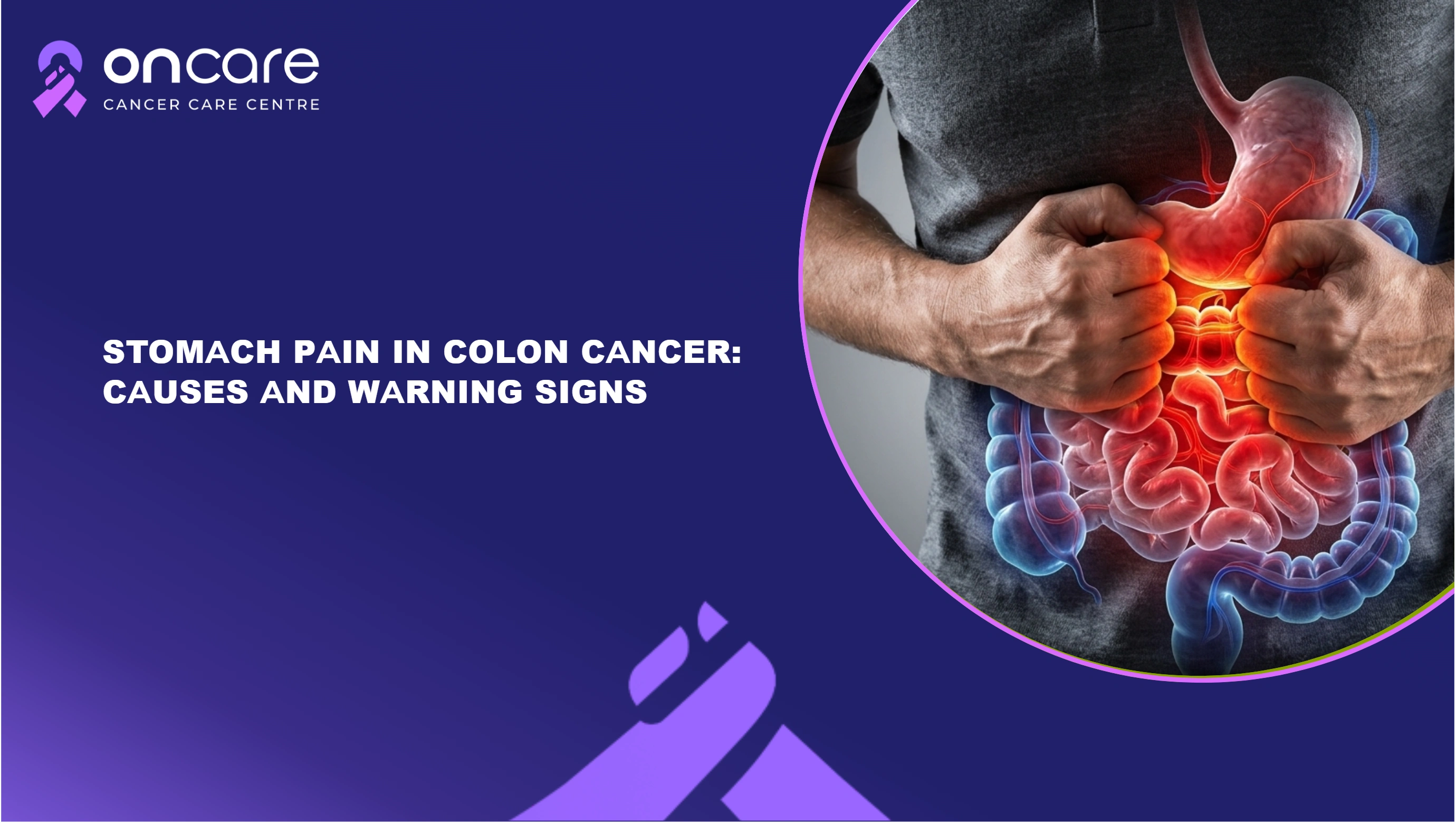
Stomach Pain in Colon Cancer: Causes and Warning Signs
Learn why stomach pain occurs in colon cancer, its warning signs, and when to see a doctor. Get expert diagnosis and treatment guidance from Oncare Cancer Hospital.
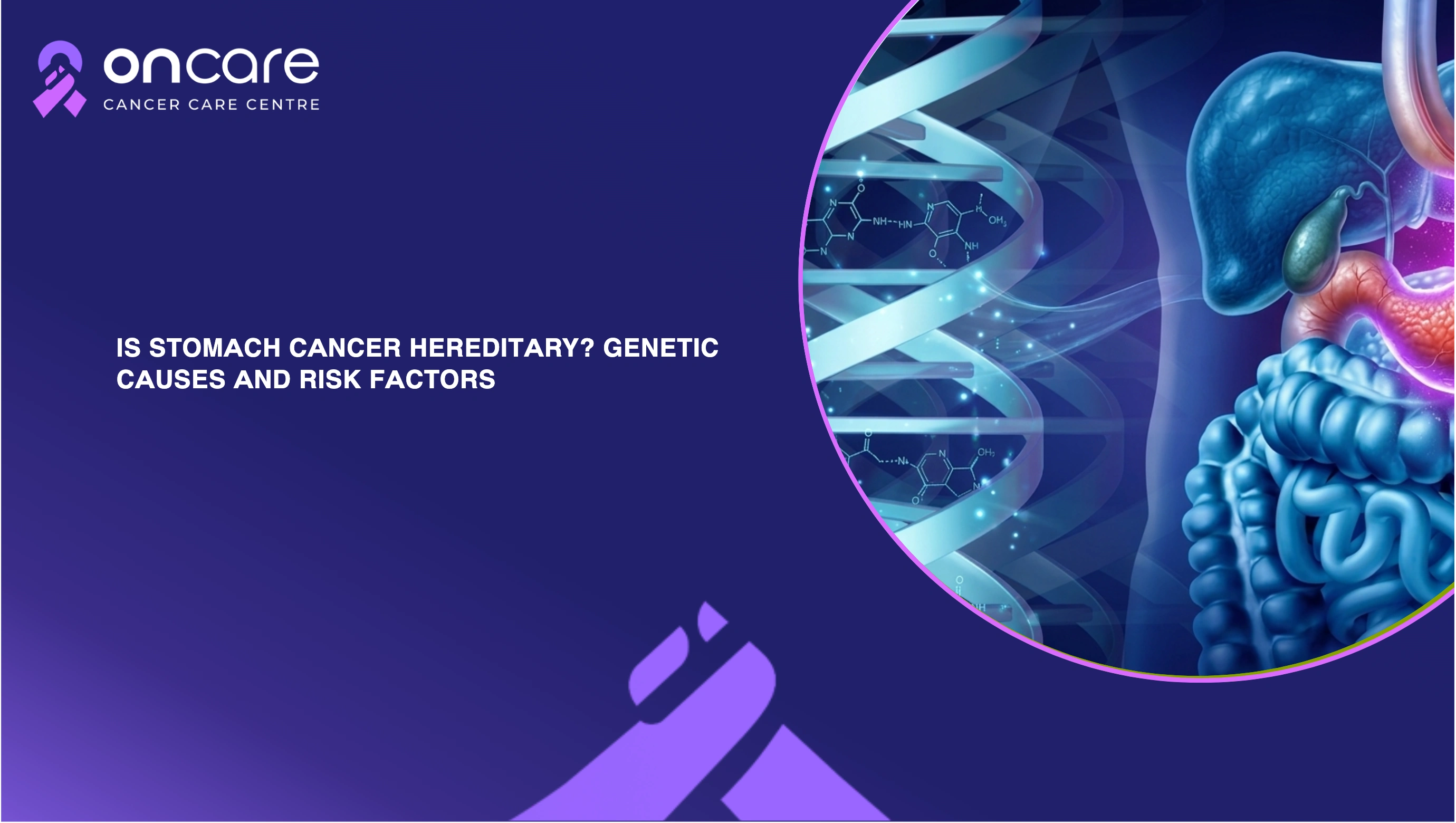
Is Stomach Cancer Hereditary? Genetic Causes and Risk Factors
Learn if stomach cancer runs in families, risk factors, and prevention tips. Get expert guidance and care at Oncare Hospital for early detection and treatment.
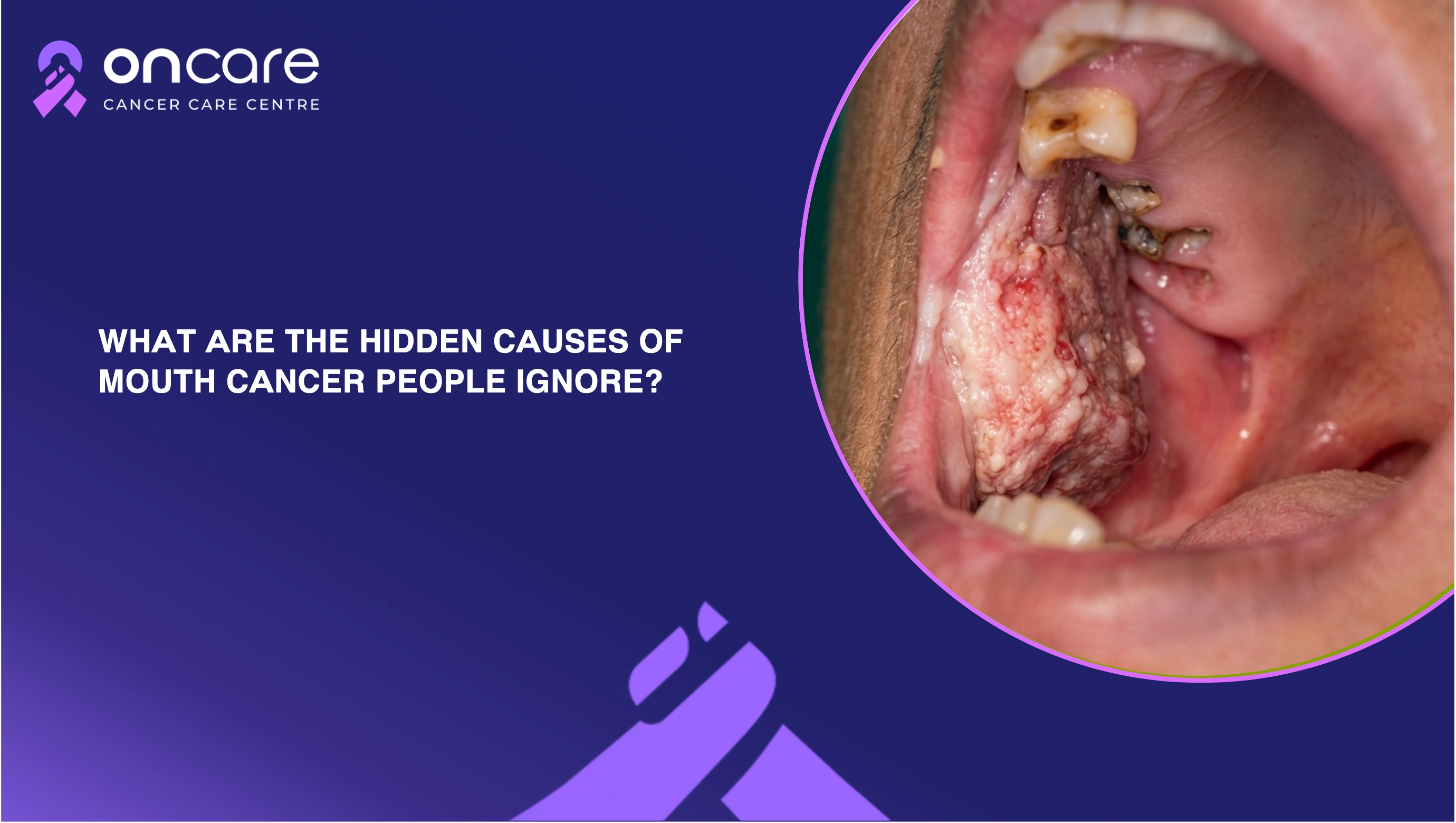
What Are the Hidden Causes of Mouth Cancer People Ignore?
Learn the hidden causes of mouth cancer and HPV. Understand early symptoms and how to reduce risks. Oncare Cancer Hospital provides expert care and treatment.
Causes of Ovarian Cancer: Every Woman Should Know
Learn the key causes of ovarian cancer, including genetics, age and lifestyle factors. Stay informed, detect early signs, and get expert care at Oncare Hospital.