
Cancer treatment can often feel overwhelming, both physically and emotionally. While performing medical therapies like surgery, chemotherapy, radiation, and immunotherapy are integral parts of cancer treatments. Research indicates that any healthy lifestyle changes can play an important role in the healing journey.
From improving the quality of life to helping the body to deal with various side effects, small changes in lifestyle factors and daily habits may make a meaningful difference. Let’s get to know what science says about this.
How lifestyle changes help during cancer treatment?
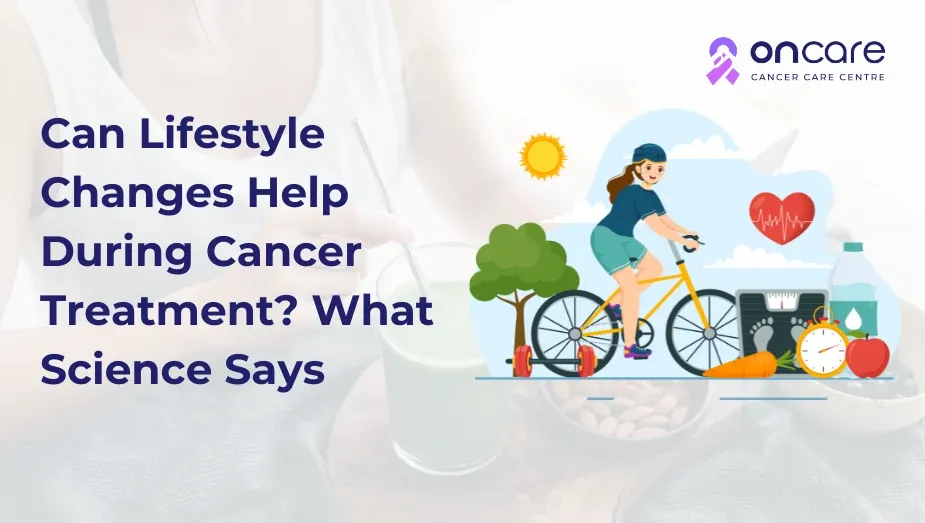
Adopting healthy lifestyle changes often helps during cancer treatment. It usually includes having a nutritious diet, increased physical activity, and managing stress. It helps to manage the side effects of cancer treatments and improve the energy levels and additionally promote an overall well-being during the cancer treatment.
Nutrition and cancer recovery
Eating nutritious food during your treatment helps to maintain strength and immunity and improve your overall healing capacity. Studies suggest that a balanced diet rich in fruits, vegetables, whole grains, and lean proteins often provides essential nutrients to fight fatigue and maintain the body weight of patients.
Limiting the intake of processed foods and refined sugars helps to reduce inflammation. Avoiding the use of these products helps to support an overall recovery.
Practising physical activity and improving energy levels
Practicing any gentle type of exercise, such as walking, yoga, or light stretching, has been shown to improve and boost energy levels, reduce fatigue, and improve the moods of cancer patients. Some clinical studies reveal that physical activity can enhance your treatment tolerance. It also helps to reduce the risk of complications such as blood clots or muscle weakness. Most importantly, exercise plans should be designed with guidance from doctors.
Stress management and emotional well-being
Stress, anxiety, and emotional distress are common during cancer treatment. If you are diagnosed with cancer, then mind-body practices such as meditation, mindfulness, breathing exercises, and counselling are scientifically proven to reduce stress hormones and improve mental health. Having strong mental health and emotional well-being is not just about providing comfort; it directly influences the immune function and healing.
Rest, sleep and recovery
If you are undergoing any type of cancer treatment, getting enough sleep is often disrupted during cancer treatment due to pain, medications, or anxiety. Cancer research shows that having sleep patterns helps to regulate the hormones in the patient's body. It helps to repair tissues and their damage and also improves the immune system.
There are some habits like limiting the screen time of your mobiles, creating a regular bedtime routine, and managing your caffeine intake can significantly improve your quality of sleep and helps to speed up the recovery process.
Avoiding smoking and drinking
If you are recently diagnosed with cancer or starting cancer treatment, then quitting smoking and reducing alcohol consumption are critical lifestyle changes that help the outcomes of your cancer treatment. Smoking directly interferes with your healing, reduces the oxygen levels in the tissues, and increases the risk of treatment complications.
Similarly, alcohol can affect the liver function and sometimes interact with medications. Medical science usually suggests adopting lifestyle changes for a better overall survival rate from cancer.
Social support and cancer healing
Having a strong emotional connection and support with your loved ones, peer groups, and counseling can positively influence the recovery from cancer. Many studies reveal that patients with strong mental and emotional support often experience less distress, an improved adherence to treatment, and better overall survival rates.
Consult Today
Lifestyle changes are not a replacement for any medical treatment used for cancer, but they can complement it effectively. Healthy lifestyle factors, which may include nutrition, exercise, stress management, and social support, have proven benefits for improving the treatment outcomes in a patient and their quality of life. Remember that every patient’s journey is unique, so working with any healthcare professionals to make safe and personalized lifestyle choices is essential.
If you or any loved ones of yours are diagnosed with cancer, then visit Oncare Cancer Center and book an appointment with our cancer specialist. Get an estimated cost of cancer treatments.
Frequently Asked Questions
What are the types of preventable cancer risk factors?
There are three types of preventable cancer risk factors.
These may include:
- Behaviour risk factors, these may include:
- Smoking cigarette
- Drinking alcohol
- Having an unsafe sex
- Eating a poor diet
- Metabolic risk factors
- Being overweight
- Having high blood sugar levels
- Environmental and occupational risk factors
- Being exposed to asbestos
- Being exposed to air pollution
What are the leading preventable cancer death types?
Some study suggests that there are some leading risk attributable cancer deaths in 2019, by the type of cancer.
These may include:
- Tracheal, bronchus and lung cancer in men and women
- Colon cancer and rectum cancer
- Esophageal cancer
- Stomach cancer
- Cervical cancer
- Breast cancer
How managing stress helps you to avoid cancer?
Stress doesn’t directly cause cancer, but it can contribute to unhealthy behaviors that may increase the cancer risk. People with chronic stress can often lead to smoking, drinking, and overeating, all of which are risk factors for cancer. Having a high stress level often compromises the immune system, reducing the body’s ability to defend against harmful cancer cells.
What are the 7 lifestyle tips that help to reduce the risk of cancer?
Here are 7 tips which reduce the risk of cancer.
- Don’t use tobacco products
- Maintain a healthy weight and active lifestyle
- Be mindful of your eating habits
- Using sunscreen
- Getting vaccinated
- Getting regular screening
- Learning more about family history of diseases (cancer)