Table of Contents
Paraneoplastic Syndromes: When Cancer Causes Unusual Symptoms

By Dr. Gajendra Kumar Himanshu


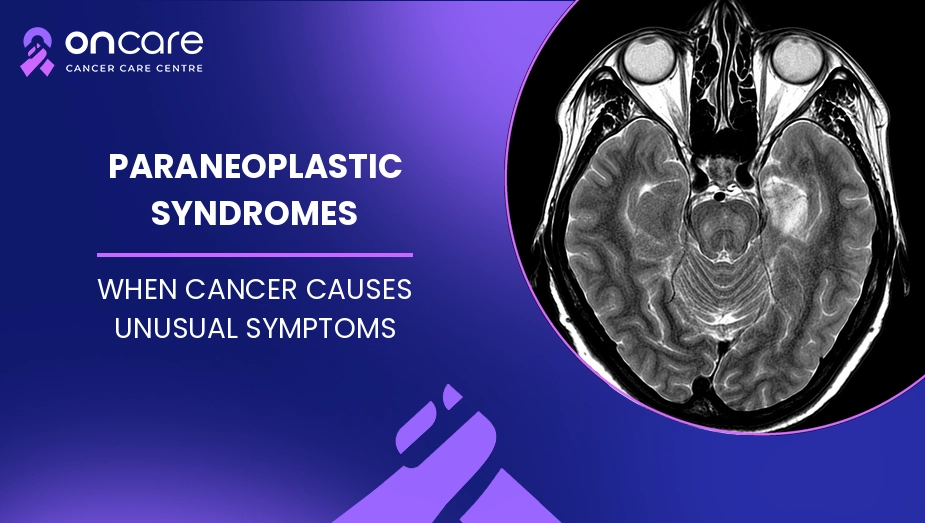
Paraneoplastic syndromes are a group of unusual health problems that can happen because of cancer, even when the symptoms are not directly caused by the tumour. They may occur when cancer cells release certain substances, such as hormones, or when the immune system reacts against healthy parts of the body while trying to fight the cancer. These syndromes can affect the nerves, muscles, skin, blood, hormones, or other organs.
Paraneoplastic syndromes can sometimes appear before cancer is diagnosed, while in other people they develop after cancer has already been found. Because the symptoms can look like other health problems, identifying the underlying cause may take careful evaluation.
In this blog, we will explain what paraneoplastic syndromes are, which cancers can cause them, their common symptoms, how doctors diagnose them, and how treatment can help.
What Are Paraneoplastic Syndromes?
Paraneoplastic syndromes happen when cancer affects parts of the body that may be far away from the main tumour. The symptoms are not simply caused by the tumour pressing on or growing into that body part.
There are two common ways this can happen. Some cancer cells produce substances that change how other organs work. In other cases, the body's immune system produces antibodies while fighting cancer, but these antibodies can also attack healthy cells and tissues.
For example, a person with a lung tumour may develop muscle weakness or changes in blood sodium levels because of the cancer-related immune or hormone effects rather than because the tumour has spread to the muscles or brain.
If you are experiencing unexplained symptoms, understanding how doctors confirm a cancer diagnosis can help you understand why different tests may be needed.
Which Cancers Can Cause Paraneoplastic Syndromes?
Paraneoplastic syndromes can occur with different types of cancer, but they are more commonly linked with some cancers than others. Lung cancer, especially small cell lung cancer, is one of the most common cancers associated with these syndromes. They may also occur with kidney, liver, breast, ovarian, pancreatic, stomach, neuroendocrine cancers, leukaemia, and lymphoma.
However, having one of these cancers does not mean that a person will definitely develop a paraneoplastic syndrome. Most people with cancer do not have one.
You can also read about lung cancer symptoms that should not be ignored to learn more about symptoms that may need medical attention.
What Symptoms Can Paraneoplastic Syndromes Cause?
The symptoms depend on the part of the body affected. Some people may have general symptoms, while others may develop more unusual changes involving the nervous system, hormones, skin, muscles, or blood.
Common symptoms can include:
- Unexplained weight loss, fever, or night sweats
- Muscle weakness, numbness, or problems with balance
- Confusion, dizziness, vision changes, or difficulty speaking
- Diarrhoea, flushing, or wheezing
- High or low blood pressure
- Changes in blood cell levels
- Skin changes, itching, or unusual rashes
- Muscle pain or weakness
- Painful or swollen joints
These symptoms do not automatically mean that someone has cancer. Many common illnesses can cause similar problems. But symptoms that continue, worsen, or appear without a clear reason should be checked by a doctor.
Types of Paraneoplastic Syndromes
Paraneoplastic syndromes can affect different body systems. The following table gives some simple examples.
Type | Possible symptoms | Cancers commonly linked |
|---|---|---|
Neurologic | Weakness, numbness, balance problems, difficulty speaking | Lung cancer, lymphoma, breast or ovarian cancer |
Endocrine | Changes in blood pressure, confusion, weakness, diarrhoea | Lung and neuroendocrine cancers |
Skin-related | Itching, flushing, unusual skin changes | Lymphoma and other cancers |
Muscle-related | Muscle weakness, soreness, inflammation | Lung and other cancers |
Joint and bone-related | Painful swollen joints, finger or toe changes | Often linked with lung cancer |
Blood-related | Changes in red cells, white cells, or platelets | Kidney, liver, blood, and other cancers |
The exact symptoms and cancer connection vary from person to person.
How Are Paraneoplastic Syndromes Diagnosed?
Diagnosis can sometimes be challenging because the symptoms may appear unrelated to the cancer. Doctors usually start by asking about symptoms, medical history, medicines, and any known cancer diagnosis.
Depending on the symptoms, tests may include blood and urine tests, imaging scans, nerve tests, or other specialist examinations. Blood tests may help identify abnormal hormone levels or certain antibodies linked with a paraneoplastic syndrome.
If cancer has not yet been diagnosed, doctors may also investigate whether an underlying tumour could be causing the unusual symptoms. The exact tests depend on the symptoms and the doctor's findings.
A biopsy test for cancer may be needed when doctors find a suspicious area that needs to be examined for cancer cells.
Can Paraneoplastic Syndromes Be Treated?
Treatment mainly focuses on controlling the cancer that is causing the syndrome. When the underlying cancer responds to treatment, the paraneoplastic symptoms may also improve. Treatment can include surgery, chemotherapy, radiation therapy, immunotherapy, or other cancer treatments depending on the cancer type and stage.
Doctors may also give separate treatment to control the symptoms. For example, medicines may be used for hormone problems, inflammation, nerve symptoms, or other specific effects.
The treatment plan is not the same for everyone. It depends on the type of cancer, the affected body system, the severity of symptoms, and the person's overall health.
You can learn more about different cancer treatment options and how doctors choose treatment based on the individual patient.
Why Early Evaluation Matters
Some paraneoplastic symptoms can develop before the cancer itself is found. For this reason, an unusual combination of symptoms may sometimes lead doctors to investigate an underlying cancer.
However, it is important not to assume that every unusual symptom is related to cancer. Most symptoms have many possible causes. The important step is to seek medical advice when symptoms are persistent, unexplained, or getting worse, particularly when they continue for several weeks.
Early evaluation can help doctors identify the actual cause and begin appropriate treatment when needed.
If you want to read more about paraneoplastic syndromes, you can visit the National Library of Medicine.
Consult Today
Paraneoplastic syndromes can be difficult to recognise because their symptoms may appear in parts of the body far away from the cancer. A careful medical evaluation can help identify whether the symptoms are related to cancer, another medical condition, or cancer treatment.
At Oncare Cancer Hospital, experienced cancer specialists can evaluate your symptoms, review your diagnosis and test reports, and help create a treatment plan based on your cancer type, stage, and overall health. The goal is to treat the underlying cancer while also managing symptoms and supporting your quality of life.
Disclaimer
This information is for educational purposes only and does not constitute medical advice, diagnosis, or treatment. Unusual symptoms can have many causes and need individual evaluation. Always discuss your symptoms, reports, and treatment decisions with a certified cancer healthcare provider.





Frequently Asked Questions
No, they are health problems caused by the effects of cancer on other parts of the body.
Yes, in some people, unusual symptoms may appear before the cancer itself is discovered.
Lung cancer, especially small cell lung cancer, is one of the cancers most commonly associated with these syndromes.
Yes, treatment usually focuses on controlling the underlying cancer and managing the specific symptoms.
Written and Verified by:
Dr. Gajendra Kumar Himanshu Exp: 10 Yr
Medical Officer
Book an Appointment
Related Blogs

Nerve Blocks and Interventional Pain Relief in Advanced Cancer
Learn how nerve blocks help manage severe cancer pain, including types, benefits, risks, and palliative care options at Oncare Cancer Hospital.

Surgical Margins in Cancer: What Clear Margins Really Mean
Understand clear, positive, and close surgical margins in cancer, what they mean in pathology reports, and how they may affect further treatment at Oncare Hospital.

Feeding Tubes During Cancer Treatment: NG Tube and PEG Explained
Learn about NG and PEG feeding tubes during cancer treatment, including their uses, differences, care, risks, and nutrition support at Oncare Cancer Hospital.