Table of Contents
Cancer Rehabilitation: Physiotherapy and Regaining Strength After Treatment

By Dr. Gajendra Kumar Himanshu


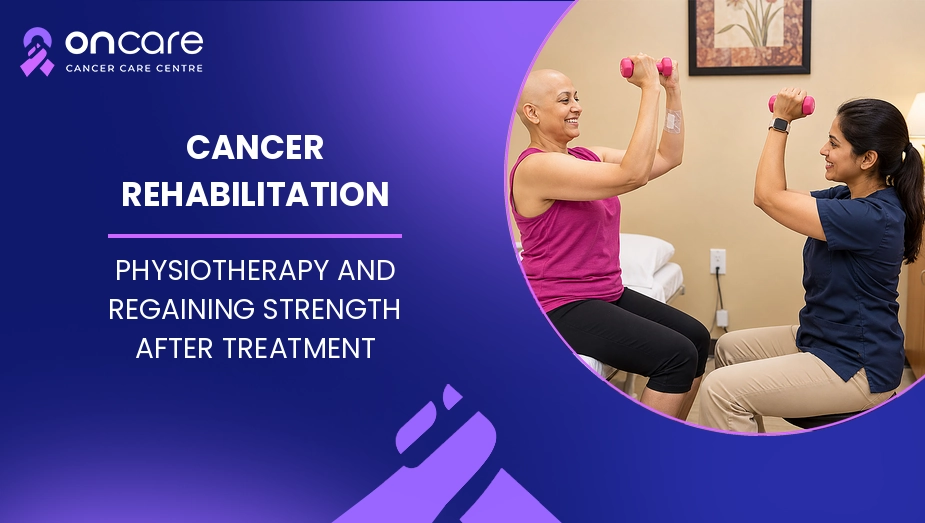
Cancer rehabilitation is a supportive care program that helps people regain strength, movement, balance, and independence during or after cancer treatment. Physiotherapy is an important part of rehabilitation and may help manage weakness, pain, fatigue, stiffness, balance problems, and difficulty with daily activities. Rehabilitation can begin during treatment or after treatment, depending on a person’s health, cancer type, and recovery needs.
Finishing cancer treatment is an important milestone, but the body may need more time to recover. Surgery, chemotherapy, radiation therapy, or a long period of inactivity can leave a person feeling weak or tired.
In this blog, we will explain what cancer rehabilitation means, how physiotherapy can help, what exercises may be included, when rehabilitation should start, and how it can support a safer return to everyday life.
What Is Cancer Rehabilitation?
Cancer rehabilitation focuses on helping a person manage physical changes caused by cancer or its treatment. It is not only about building muscle. The main goal is to help a person move better, perform daily activities more easily, and become as independent as possible.
Rehabilitation can include physiotherapy, occupational therapy, speech and swallowing therapy, nutrition support, lymphedema care, and exercise programs. The exact combination depends on the problems a patient is experiencing.
For more information about the recovery period after treatment, you can read our blog on life after cancer, which explains some of the physical and emotional changes that may happen after treatment.
Why Do Cancer Patients Need Physiotherapy?
Cancer and its treatment can affect muscles, joints, nerves, bones, and overall energy levels. During treatment, a person may spend a lot of time in bed or become less active. This can lead to loss of muscle strength and reduced stamina.
Physiotherapy can help patients work on movement and strength in a safe and planned way. A physical therapist may assess muscle strength, flexibility, balance, walking ability, and the ability to perform everyday movements. The plan is then adjusted according to the person’s condition and goals.
If pain is making movement difficult, rehabilitation may also be part of a wider pain-management plan. You can learn more about cancer pain management and the different ways cancer-related pain can be managed.
Common Problems Cancer Rehabilitation Can Help With
Different people have different recovery needs. Some may have only mild weakness, while others may need help with walking or using an arm after surgery.
Cancer rehabilitation may help with:
- Muscle weakness and loss of strength
- Tiredness and reduced stamina
- Pain and stiffness
- Balance and walking problems
- Numbness or tingling caused by nerve problems
- Swelling or lymphedema
- Difficulty returning to normal daily activities
Early attention to these problems can be useful. For example, untreated stiffness may make it harder to use an arm or leg normally, while weakness can increase the risk of falls.
What Does Physiotherapy Include?
Physiotherapy after cancer treatment is not the same for everyone. The exercises are selected according to the patient’s strength, treatment history, symptoms, and medical condition.
A physiotherapist may include:
Strength Exercises
Simple resistance exercises can help rebuild muscles that have become weak during treatment. These may start with very light movements and become harder as the person gets stronger.
Stretching and Movement
Stretching can help improve flexibility and reduce stiffness. Gentle movements may be particularly useful after surgery or when a person has been less active for a long time.
Walking and Stamina Training
Walking is a simple way to gradually improve endurance. A rehabilitation professional can help decide how much activity is suitable and when to increase it. Physical activity may also help reduce cancer-related fatigue and improve energy for some people.
Balance Training
Some cancer patients may feel unsteady because of weakness, nerve problems, or treatment effects. Balance exercises can help improve stability and may reduce the risk of falls.
Cancer Rehabilitation and Exercise
Exercise can be useful before, during, and after cancer treatment for many people. However, the right amount and type of exercise depends on the person’s health and treatment.
Some people may start with a few minutes of gentle walking or stretching and gradually increase their activity. Others may need a supervised program because of weakness, pain, surgery, bone problems, or other medical concerns.
Do not suddenly begin a difficult workout after cancer treatment. Talk with your cancer care team before starting a new exercise program, especially if you are still receiving treatment or have ongoing symptoms.
Cancer Rehabilitation: Physiotherapy at a Glance
The table below gives a simple overview of the main rehabilitation areas and how each one may help during recovery.
Rehabilitation area | How it may help |
|---|---|
Strength training | Helps rebuild weak muscles |
Stretching | Improves flexibility and movement |
Walking exercises | Builds stamina and endurance |
Balance exercises | Improves stability and may lower fall risk |
Range-of-motion exercises | Helps reduce stiffness |
Lymphedema therapy | Helps manage swelling |
Daily activity training | Helps patients become more independent |
The rehabilitation plan may change as recovery progresses. Your therapist can increase or reduce exercises depending on how your body responds.
When Should Cancer Rehabilitation Start?
Cancer rehabilitation does not always have to wait until treatment is finished. Some patients may benefit from rehabilitation during chemotherapy, radiation therapy, or before surgery. Rehabilitation started before treatment is sometimes called prehabilitation or prehab.
Starting early may help identify weakness, reduced mobility, or other problems before they become more difficult to manage. Rehabilitation can also continue after treatment when a person is working toward returning to normal activities.
If you are dealing with treatment-related weakness or other side effects, Oncare supportive care services can be part of a broader approach to helping you feel stronger and manage problems during cancer care.
How Long Does Cancer Rehabilitation Take?
There is no fixed recovery time. Some people may need only a few physiotherapy sessions, while others may need rehabilitation for several months.
The time depends on factors such as:
- Type of cancer and treatment
- Surgery and other procedures
- Muscle strength before and after treatment
- Age and general health
- Pain, fatigue, or nerve problems
- Individual recovery goals
Progress may happen slowly. A person may first work on sitting and standing, then walking, and later return to more demanding activities. The rehabilitation team can adjust the plan as strength improves.
Safe Recovery After Cancer Treatment
Recovery should be gradual. Feeling tired after an exercise session can happen, but severe pain, unusual shortness of breath, dizziness, or symptoms that continue after activity should be reported to the healthcare team.
Good nutrition, enough rest, regular follow-up, and appropriate physical activity can all support recovery. If eating has become difficult or your weight has changed during treatment, discuss your nutritional needs with your cancer care team.
If you want to read more about cancer rehabilitation, you can visit the National Library of Medicine.
Consult Today
Cancer recovery does not end when the main treatment is completed. Weakness, fatigue, pain, stiffness, balance problems, and reduced movement may continue for some time, but the right rehabilitation plan can help many patients regain function and confidence.
At Oncare Cancer Hospital, rehabilitation and supportive care can be considered according to your cancer treatment, symptoms, and recovery goals. Our cancer care team can help assess your condition and guide you toward appropriate physiotherapy, exercise, nutrition, pain management, and other supportive services.
Talk to your cancer specialist before starting a new exercise or physiotherapy program so that the plan is safe for your condition.
Disclaimer
This information is for educational purposes only and does not constitute medical advice, diagnosis, or treatment. Always discuss decisions about exercise, physiotherapy, or any rehabilitation program with a certified cancer healthcare provider.





Frequently Asked Questions
Cancer rehabilitation helps patients regain strength, movement, independence, and daily function during or after cancer treatment.
Yes, depending on the surgery and your condition, physiotherapy may help improve strength, flexibility, movement, balance, and daily activities.
It can begin before, during, or after cancer treatment. Starting early may help prevent some physical problems from becoming worse.
For many people, physical activity can be safe and helpful, but the type and intensity should match their health and treatment. Always discuss a new exercise plan with your cancer care team.
Written and Verified by:
Dr. Gajendra Kumar Himanshu Exp: 10 Yr
Medical Officer
Book an Appointment
Related Blogs

Obesity and Cancer Risk: What Research Shows and How to Reduce It
Learn how obesity may increase cancer risk, which cancers are linked to excess weight, and the role of weight loss and healthy habits at Oncare Cancer Hospital.

Paraneoplastic Syndromes: When Cancer Causes Unusual Symptoms
Learn about paraneoplastic syndromes, their symptoms, types, cancer links, diagnosis, and treatment, with expert guidance from Oncare Cancer Hospital.
Radical Hysterectomy for Cervical Cancer: Surgery, Recovery and Follow-Up
Learn about radical hysterectomy for cervical cancer, including surgery, recovery, side effects, risks, fertility, and follow-up at Oncare Cancer Hospital.