
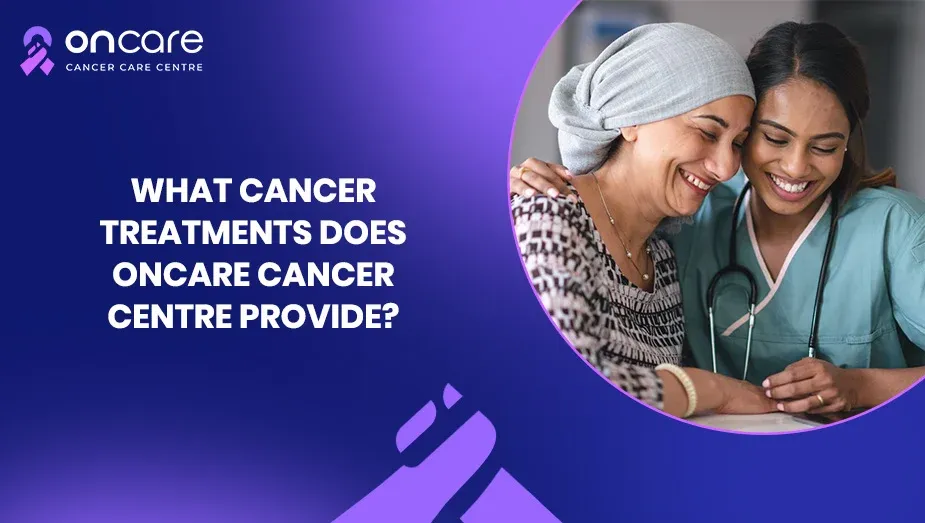
One of the first things people think about when they find out they have cancer is what treatments are available. Not everyone gets the same kind of cancer care. It depends on the kind of cancer, how far along it is, and how healthy the person is overall.
Over the years, cancer treatment has gotten a lot better. Patients now can get sophisticated treatments that are more focused, effective, and aimed at making their lives better. Picking the correct treatment center is also highly vital for recovery and long-term results.
Oncare Cancer Centre has a lot of different cancer therapies that are made to satisfy the demands of different patients. This article will explain the main sorts of therapies in simple terms, so you know what to expect.
Learning about several ways to treat cancer
Most of the time, cancer treatment uses more than one strategy. To get the best outcomes, doctors often use more than one treatment. The goals of these methods are:
- Get rid of or kill cancer cells
- Stop cancer from spreading.
- Make symptoms less severe and comfort better
A medical evaluation and diagnosis create a unique treatment plan for each patient.
The main cancer treatments that are available
1. Chemotherapy in medical oncology
One of the most frequent ways to treat cancer is by using chemotherapy. It employs powerful drugs to kill cancer cells or keep them from developing.
You can provide these drugs in several ways:
- By getting shots (IV)
- Pills or capsules taken by mouth
- Both together
People often use chemotherapy:
- Before surgery (to make tumors smaller)
- After the surgery (to kill the leftover cells)
- As the primary therapy for certain malignancies
It works, but it can also induce side effects like tiredness, hair loss, or nausea, which doctors can help with.
2. Radiation Treatment
High-energy rays are used in radiation therapy to kill cancer cells. It focuses on certain parts of the body, which helps protect healthy tissues from injury.
People often use it:
- To treat cancers that are only in one place
- In addition to surgery or chemotherapy
- To ease discomfort in more serious circumstances
This treatment doesn't hurt and is usually done in several sessions over the course of a few weeks.
3. Surgery for cancer
People often have surgery to get rid of tumors. It works best when cancer is found early and hasn't spread very far.
There are different kinds of cancer procedures, such as:
- Taking out a tumor
- Removal of organs (if necessary)
- Surgery to fix things
Doctors carefully consider if surgery is the best choice for a patient based on their health.
4. Targeted Treatment
Targeted therapy is a new type of treatment that targets certain genes or proteins that help cancer grow.
It mostly kills cancer cells and doesn't hurt normal cells as much as chemotherapy does. This frequently means that there are fewer side effects.
A lot of the time, it's used for tumors like:
- Cancer of the breast
- Cancer of the lungs
- Cancer of the colon and rectum
5. Immunotherapy
Immunotherapy helps the immune system fight cancer on its own. It strengthens the body's immune system so it can find and kill cancer cells more easily.
People are starting to like this treatment since it works for some cancers over the long term.
6. Hormone Treatment
Hormones are needed for some malignancies, such as breast and prostate cancer, to proliferate. Hormone treatment slows down the growth of cancer by blocking or lowering these hormones.
For greater outcomes, it is often used with other treatments.
Care that helps and eases pain
It's not just about getting rid of cancer when you treat it. It also aims to make the patient more comfortable and improve their quality of life.
Supportive care includes:
- Managing pain
- Help with nutrition
- Counseling for mental and emotional health
Patients with advanced cancer need palliative care the most. It helps lessen symptoms and make daily life better.
Table of Cancer Treatments
Type of treatment | Purpose | How It Works | When It's Used |
|---|---|---|---|
Chemotherapy | Stop or kill cancer cells | Takes heavy medicines | Before and after surgery or major care |
Radiation Treatment | Kill cancer cells that are in the way | Rays with a lot of energy | Localized cancer care |
Operation | Take out the tumor | Taking away physically | Cancers in their early stages |
Therapy that targets | Attack certain cancer cells | Aims at genes and proteins | Certain kinds of cancer |
Immunotherapy | Strengthen the immune system | Helps the body fight cancer | Advanced tumors that were chosen |
Hormone Treatment | Stop hormones | Lowers hormone levels | Cancers that have to do with hormones |
How doctors choose the best treatment
Before deciding on therapy, doctors at cancer centers go through a long process:
- Tests and diagnosis
- Imaging (such as a CT scan or MRI)
- Staging cancer
- The patient's age and health status
A group of experts works together to design a treatment plan that is unique to each patient.
Why it's important to pick the right cancer center
The quality of care depends on more than just the treatment; it also depends on the doctors' skills and the technology that is accessible.
A good cancer center offers:
- Oncologists with a lot of experience
- More advanced treatment options
- Care that focuses on the patient
- Constant checking and follow-up
Oncare Cancer Centre's main goal is to provide complete cancer care using the latest methods and individualized treatment strategies.
For more detailed information on cancer prevention and treatment, visit the National Cancer Institute.
Consult Today
Over time, cancer treatment has gotten better and more successful. Patients currently have a lot of choices depending on their situation, from chemotherapy and radiation to targeted therapy and immunotherapy.
Knowing more about these therapies will help you feel less scared and make it easier to choose. Getting the appropriate treatment early on can make a big difference in how things turn out.
Oncare Cancer Centre offers a variety of sophisticated treatments and caring support throughout the process for you or a loved one who needs specialist cancer care.
Frequently Asked Questions
1. What is the best treatment for cancer?
There is no one best way to treat something. It depends on what kind of cancer it is and how far along it is. For greater results, doctors frequently use more than one treatment.
2. Is chemotherapy always necessary?
Not all malignancies need chemotherapy, no. Some can be treated with surgery, radiation, or therapies that target specific areas.
3. Are there any negative effects to cancer treatment?
Yes, some therapies can have adverse effects, but doctors know how to deal with them with the right care and medicine.
4. Is it possible to entirely get rid of cancer?
If you find cancer early and treat it correctly, many types can be cured. It's crucial to get regular exams and find out what's wrong early.