Table of Contents
Cancer Pain Management: Beyond Just Painkillers

By Dr. Gajendra Kumar Himanshu


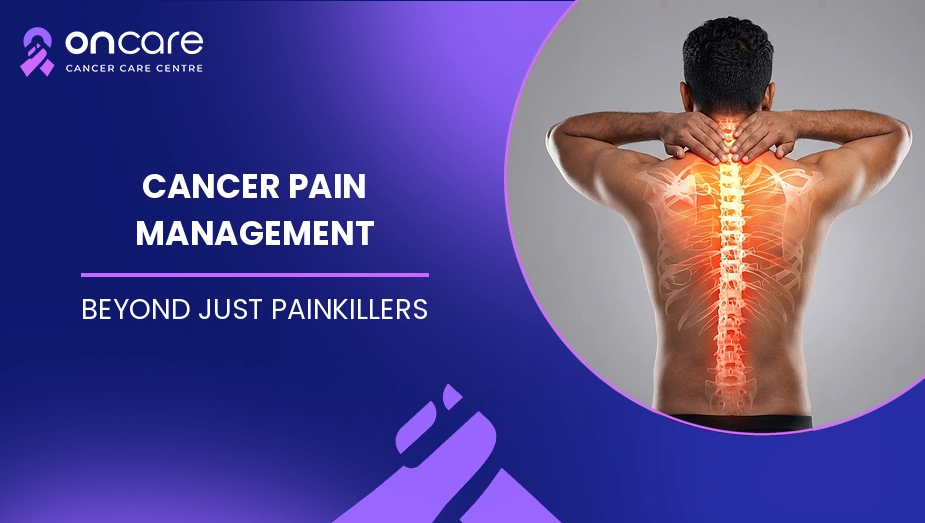
Managing cancer pain includes more than simply taking pills. Depending on the source and severity of pain, doctors can combine drugs with other treatments like radiation therapy, nerve blocks, physical therapy, psychological support, and palliative care. A specific pain management plan can help with comfort, everyday functioning, sleep, and overall quality of life during cancer treatment.
In this blog, we discuss the reasons why cancer pain occurs, alternative therapy options, non-drug treatments that can help relieve pain, and how a multidisciplinary care plan can help patients better manage pain.
Why It's Important to Manage Cancer Pain Well
Pain is one of the most common concerns of people living with cancer. It might be caused by the cancer itself, treatments such as surgery or chemotherapy, or conditions related to cancer. Some individuals have just slight discomfort; others have constant pain that interferes with sleep, movement, eating, and mental well-being.
The good news is that with the correct treatment strategy, most cancer pain can be controlled. Effective pain therapy is not just about lessening pain, but also about helping the patient stay active, get treatment more comfortably and improve their quality of life.
Today's cancer care is about treating the full individual, not only the physical suffering but its emotional and psychological effects too.
What Causes Cancer Pain?
There is no single cause of cancer discomfort. When doctors know what is causing the discomfort, they can decide the best treatment.
Pain might be caused by a tumour pressing on nerves, bones or surrounding organs. It could be caused by inflammation, surgery, chemotherapy, radiation therapy, or nerve damage from treatment. In other people, the pain is not caused by the disease itself but by infection or other medical problems.
Various forms of pain require various treatments. Your health care team will thoroughly evaluate your symptoms before developing a pain management plan.
Pain Medicines Are Just One Piece of Treatment
Pain-relief drugs continue to be very important in cancer therapy, but they are not the only solution. Depending on the severity of the symptoms, your doctor may prescribe non-opioid medications, opioid medications, nerve pain medications, or medications that reduce inflammation.
The medication programs are carefully customised to the patient's pain level, medical history, treatment goals, and any adverse effects. With regular follow-up, doctors can adjust doses as needed to balance pain relief and safety.
Treatments That Work Beyond Painkillers
Many individuals benefit from additional therapy that treats the underlying cause of pain or increases comfort.
Treatment | How It Could Benefit |
|---|---|
Radiation Therapy | Treats tumours that are pushing on adjacent tissues and producing pain. |
Surgery | Removes or shrinks tumours that cause pain in some people. |
Nerve Block | Blocks the pain signals from the targeted nerves. |
Physical Therapy | Increases movement, strength, and mobility and decreases stiffness. |
Palliative Care | Offers complete symptom relief and supportive treatment. |
Psychological Support | Helps patients manage pain-related anxiety, tension, and emotional suffering. |
These treatments frequently offer better long-term pain control than medications alone.
The Role of Palliative Care
Many individuals mistakenly think palliative care is solely for end-of-life care. The truth is, palliative care can be started at any point in the treatment of cancer.
Palliative care professionals collaborate with oncologists to treat pain, exhaustion, nausea, breathlessness, mental distress, and other symptoms. They aim to improve quality of life while supporting ongoing cancer therapy.
In many cancer situations, early palliative treatment has been found to improve symptom control and patient satisfaction.
Self-Care and Lifestyle Strategies
Medical therapy can be supported, and comfort increased, by daily habits. Simple strategies might include:
- Light physical activity as directed by your healthcare professional.
- Deep breathing or guided meditation.
- Healthy sleep practices to combat fatigue.
- Good nutrition to support healing.
- Open communication about any changes in pain symptoms.
These techniques are not a substitute for medical care, but they commonly supplement other methods of pain control.
When Should You See Your Doctor About Pain?
Sometimes patients are reluctant to mention pain for fear that it signifies their cancer is progressing or that they may become dependent on pain medication. But pain that is treated early is far easier to manage than untreated pain.
If your pain increases, changes location, affects your sleep, limits your daily activities or is not eased by the prescribed treatment, let your healthcare team know. Regular contact allows your doctors to make necessary changes to your pain management plan quickly.
Living Well With Cancer Pain
Cancer discomfort can affect many facets of daily life, but you don't have to endure it alone. Many patients can find considerable relief with a tailored treatment plan using advances in pain medicine, supportive care, rehabilitation, and palliative care.
By working closely with your oncology team, pain can be monitored regularly and controlled using the combination of treatments best suited to your condition and your unique needs.
If you want to read more about how to manage cancer pain and symptoms, then you can visit the official website of the National Cancer Institute.
Consult Today
If you or a loved one is living with cancer pain, talking to a knowledgeable oncology team can help you find treatment options that work for you. At Oncare Cancer Hospital, our physicians create individualised pain management regimens that integrate medical treatment with supportive care to enhance comfort and quality of life throughout the cancer journey.
Disclaimer
This text is for educational purposes only and is not a substitute for medical advice, diagnosis or treatment. Pain caused by cancer can be affected by the kind of cancer, treatment, and individual health problems. Always talk with your oncologist or health care provider for a personalised pain management plan and never change or discontinue prescribed drugs without medical advice.





Frequently Asked Questions
Yes. Depending on the origin of the pain, treatments such as radiation therapy, physical therapy, nerve blocks, palliative care, and psychological support may help alleviate pain together with or instead of some drugs.
You should tell your healthcare team if pain is new, getting worse, interfering with sleep or activities of daily living, or not controlled well enough by your current treatment.
No. Palliative care can be provided at any time during cancer treatment to assist in relieving pain and other symptoms, and to enhance a person's overall quality of life.
Not always. However, many patients find that a custom-made treatment plan brings a great reduction in pain and increased daily functioning.
Written and Verified by:
Dr. Gajendra Kumar Himanshu Exp: 10 Yr
Medical Officer
Book an Appointment
Related Blogs

Caring for Your Skin During Radiation: Preventing Radiation Dermatitis
Caring for your skin during radiation is a vital element of cancer treatment since radiation can harm healthy skin cells as well as cancer cells, causing radiation dermatitis. Skin care during treatment may assist to decrease discomfort and help your skin heal by not irritating the treated area, using moisturisers advised by your doctor, and reporting skin changes early.
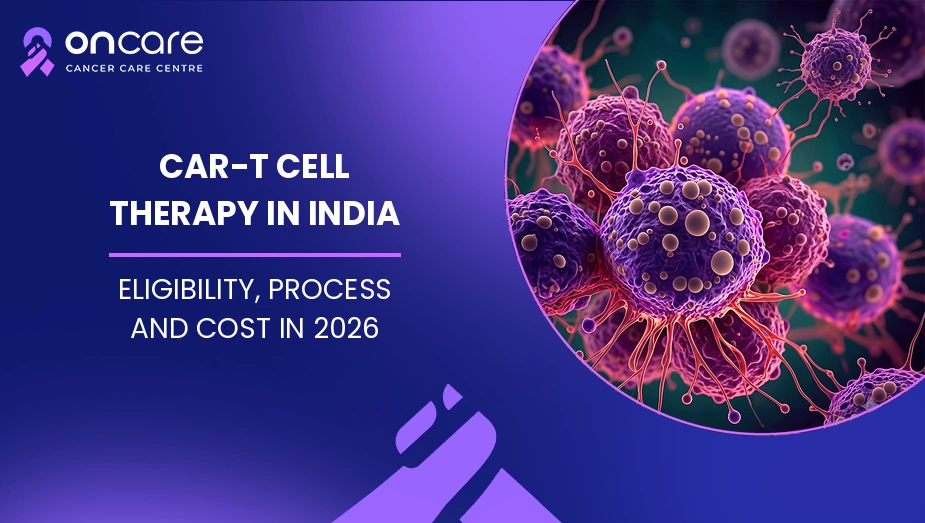
CAR-T Cell Therapy in India: Eligibility, Process and Cost in 2026
CAR-T Cell Therapy in India is a highly advanced immunotherapy that involves the collection of a patient's own T cells, genetically modifying them to recognise cancer cells and infusion back into the body. In 2026, it is used largely for selected relapsed or refractory blood malignancies, including certain B-cell lymphomas and acute lymphoblastic leukaemias.
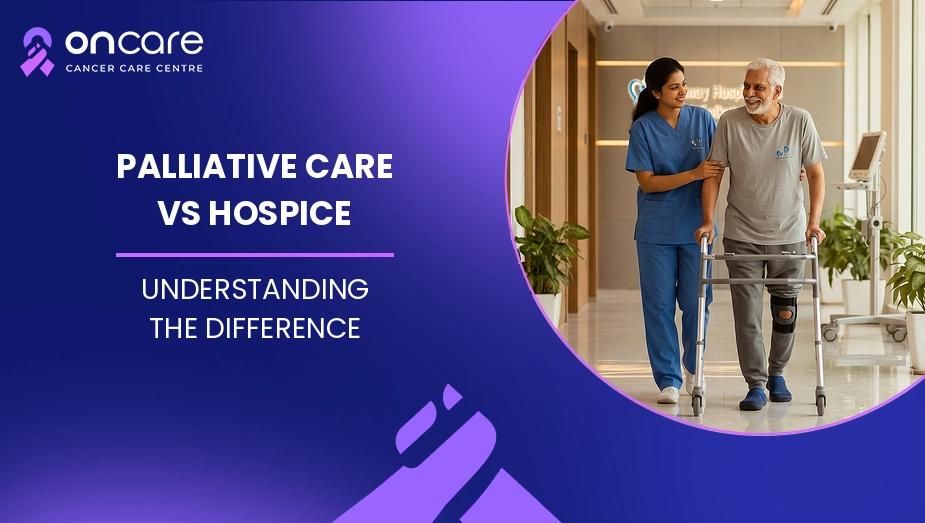
Palliative Care vs Hospice: Understanding the Difference
Both palliative care and hospice care emphasise comfort, symptom management, and quality of life, but they are not the same. Palliative care can start at any point in a serious disease, and can be given together with therapies like chemotherapy or radiation therapy. Hospice care is primarily for persons who are nearing the end of life and whose primary objective has changed from treating the disease to giving comfort and support.