Table of Contents
Life After Cancer: A Survivor's Roadmap to the First Year of Recovery
By Dr. Gajendra Kumar Himanshu


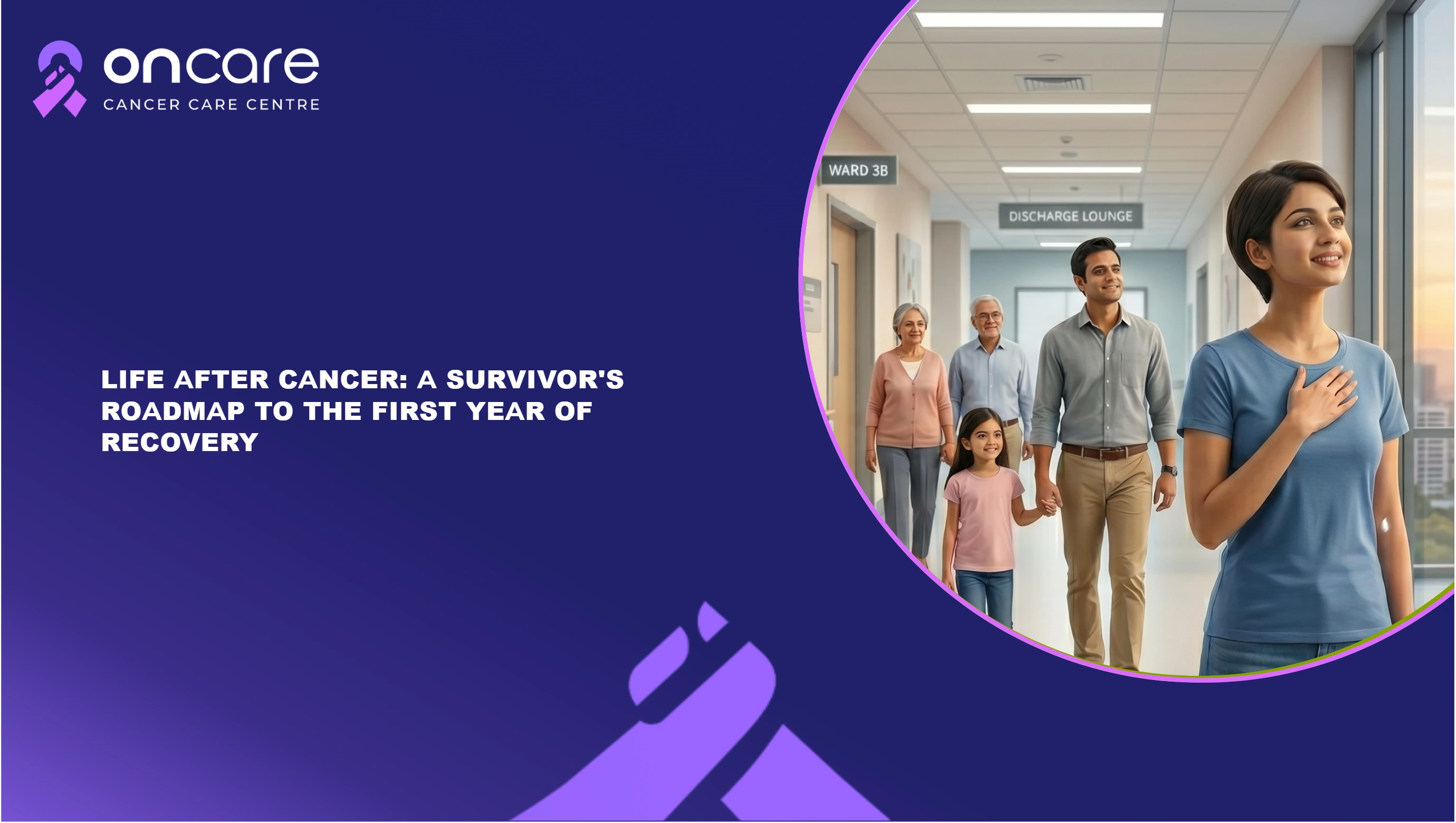
Many people think that life will go back to normal as soon as therapy is over. But for most people who have survived cancer, the real journey starts once their hospital visits decrease down. Yes, there's relief, but there's also uncertainty. Now what? How do you get your strength, routine, and confidence back? After cancer treatment, the first year is frequently a time of healing, getting used to things, and finding yourself again. It's not just about getting well physically; it's also about getting your emotions in order, clearing your mind, and getting back into society. This roadmap is meant to help survivors get through that important first year by giving them reasonable expectations and easy steps to take.
Getting to Know the First Year of Recovery
What Happens After Treatment?
Your body and mind need time to heal after cancer therapy. You might feel tired, have changes in your appetite, mood swings, or even worry about the cancer coming back. All of these things are normal.There isn't a straight route to recovery. Some days are strong, and other days are weak. The first step to becoming better is to accept that things change.
Recovering physically vs. emotionally
It can take weeks or months for the body to heal, but it can take longer for the mind to heal. Many survivors say they feel "lost" when treatment finishes since they no longer have medical help all the time.It's important to find a balance between the two: Getting better physically makes you stronger.Emotional healing makes you stronger.
A look at recovery month by month
Here's a brief look at what the first year would be like:
Time Frame | Focus Area | What You Should Expect |
|---|---|---|
0 to 3 Months | Rest and Healing | Tiredness, follow-ups, and slow activity |
Three to six months | Building Strength | Light activity gives you more energy |
6 to 9 months | Stability of Emotions | Less anxiety and more confidence |
Nine to twelve months | Reintegration | Back to normal, social life gets better |
Getting Stronger Again
Take it easy and start slowly
Your body has been through a lot. Jumping right into hard workouts can hurt you more than help you. To begin:A few short walks A little stretching Exercises for breathingSlowly up the intensity based on how your body reacts.
Food is important
A balanced diet is highly important for recuperation. Pay attention to:Foods high in protein that help heal tissue Fresh fruits and veggies to boost your immune system Drinking enough water Don't go on an excessive diet. Being consistent is more important than being perfect.
Taking care of your emotional health
How to Deal with Fear of Recurrence
One of the hardest things for survivors is the concern that cancer will come back. It's normal to be afraid, but you shouldn't let it run your life. Useful tips: Talk to your family or support groups about how you feel.Meditate or be mindful.Don't spend too much time online looking up symptoms.
Looking for Help
You don't have to accomplish this by yourself. It can be really soothing to talk to people who have been through similar things.You can also look at resources from groups like the National Cancer Institute , which offer useful advice and information for survivors.
Going back to daily life
Routine and Work
At first, going back to work can feel like a lot. If you can, start working part-time and then slowly add more job. Advice: Talk to your bossTake breaks often Don't make too many promises too soon.
Some survivors feel like they don't fit in with others after treatment. It takes time to mend broken relationships.
Begin with little steps: First, meet close pals.At first, stay away from big groups.Be honest about how comfortable you are
Care and Monitoring After the Fact
Check-ups regularly
Follow-up appointments are important for keeping an eye on your health. These checkups assist find any early indicators of a return and deal with adverse effects.
Keeping an eye on your health
Write down the following things: Signs and symptoms Medications Levels of energyThis helps your doctor have a better idea of how you're doing.
Changes in lifestyle that help in recovery
Things to Do to Stay Healthy
A regular sleep schedule Some moderate exercise Ways to deal with stress
Things to Stay Away From
If you can, don't smoke or drink.Not paying attention to symptoms Too much work on your body Recovery is about finding a balance, not going to extremes.
Finding Yourself Again
Finding a New Purpose
A lot of people who survive cancer say their point of view changes. This can be a great chance to:Try out new hobbies Build stronger relationships Pay attention to what really matters
Making Goals That Are Possible
Make a new version of your life that fits who you are now instead of going back to your old one. Over time, little, doable goals can help you feel more confident.
Consult Today
The first year after cancer treatment is not just about getting better; it's also about putting your life back together one step at a time. There will be hard times, but there will also be times when you are strong, clear, and growing.This phase can become a tremendous turning point with the correct help, time, and attention. Oncare Cancer Hospital is known for giving some of the greatest therapy and assistance after recovery to people who want expert help and kind care.





Frequently Asked Questions
Most people who survive begin to feel better within 6 to 12 months, this varies from person to person.
Yes, it's very typical to feel tired after treatment, and it might persist for months.
You should ease back into things slowly, based on how much energy you have and what your doctor says.
Support groups, therapy, and mindfulness techniques can help you deal with worry in a good way.
Written and Verified by:
Dr. Gajendra Kumar Himanshu Exp: 10 Yr
Medical Officer
Book an Appointment
Related Blogs
Breast Cancer Recovery Time: How Long Does It Take to Heal?
Learn about breast cancer recovery time, factors affecting healing, and tips for faster recovery after surgery or therapy at Oncare Cancer Hospital.
Cancer and Diet in Indian Cuisine: Traditional Foods That Support Recovery
Explore cancer and diet in Indian cuisine and learn how traditional Indian foods support recovery. Consult Oncare Cancer Hospital today for expert cancer care.
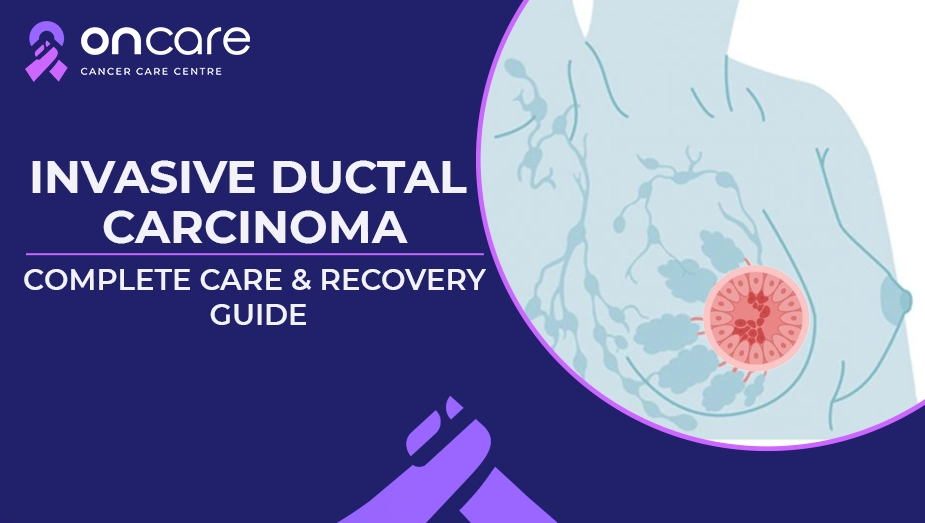
Invasive Ductal Carcinoma: Complete Care & Recovery Guide
Learn more about Invasive Ductal Carcinoma and its symptoms, diagnosis, treatment options and what to expect after treatment and life after IDC and long-term care!

Chhavi Mittal’s Cancer Recovery Story: Positivity in Pain
Discover more about Chhavi Mittal’s breast cancer treatment, how she recovered from breast cancer, and how she found strength from uncertainty and life beyond cancer!