Table of Contents
Waldenström Macroglobulinaemia: A Rare Blood Cancer Explained

By Dr. Gajendra Kumar Himanshu


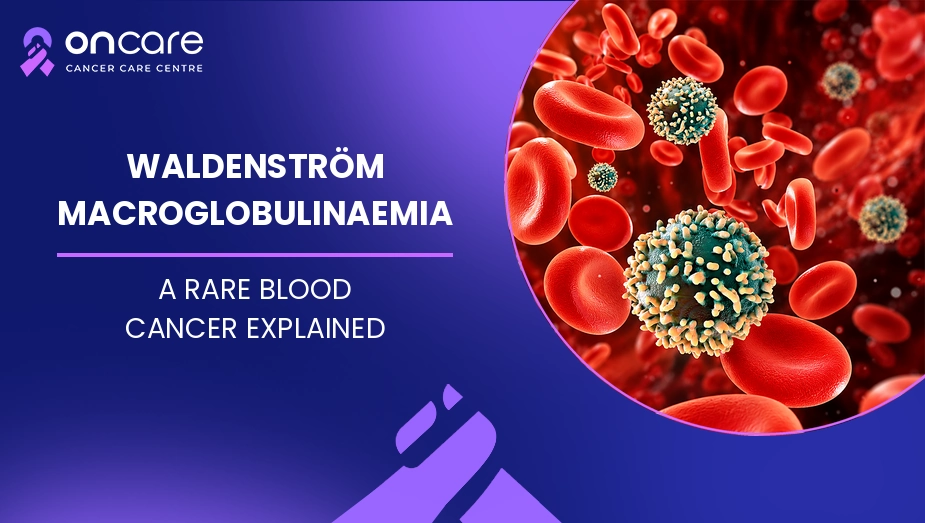
Waldenström Macroglobulinaemia (WM) is a rare, slow-growing blood cancer that starts in a type of white blood cell called a B cell. These abnormal cells make too much of a protein called immunoglobulin M (IgM). This can affect normal blood cells and, in some people, make the blood too thick. Treatment depends on symptoms and may include targeted therapy, immunotherapy, chemotherapy or plasma exchange.
In this blog, we are talking about Waldenström Macroglobulinaemia, what causes it, its common symptoms, how doctors diagnose it and when treatment is needed. We will also explain the role of IgM, gene changes, treatment options and what patients should know about long-term care.
What is Waldenström Macroglobulinaemia?
Waldenström Macroglobulinaemia is a rare type of blood cancer and is also considered a type of non-Hodgkin lymphoma. It begins in B cells, which normally help the body fight infections. In WM, these cells change and grow abnormally in the bone marrow. They also make large amounts of one type of antibody called IgM.
The extra abnormal cells can crowd the bone marrow and reduce the number of healthy blood cells. The extra IgM protein can also build up in the blood. In some patients, this can make the blood thicker and slow down blood flow. You can also read our simple blog on types of blood cancer.
What causes Waldenström Macroglobulinaemia?
The exact cause of WM is not fully known. Doctors have found that certain gene changes are common in the cancer cells. One of the most common is a change in the MYD88 gene. Changes in the CXCR4 gene can also be found in some patients. These changes usually happen during a person’s lifetime and are not usually passed from parents to children.
Age and family history may also affect the chance of developing WM. However, having a risk factor does not mean that a person will definitely develop this cancer. Because WM is rare, there is no routine screening test recommended for people who have no symptoms.
What are the symptoms of Waldenström Macroglobulinaemia?
Some people have no symptoms when WM is first found. It may be discovered during a blood test done for another health problem. When symptoms appear, they may be mild at first and can look like symptoms of other diseases.
Common symptoms may include:
- Tiredness or weakness
- Fever or night sweats
- Weight loss without trying
- Loss of appetite
- Swollen lymph nodes
- A feeling of fullness or pain under the left ribs because of an enlarged spleen
- Numbness or weakness in the hands or feet
- Easy bruising or bleeding
When can IgM cause problems?
A high level of IgM can sometimes make the blood thicker than normal. This is called hyperviscosity. It may cause headaches, blurred or changed vision, dizziness, confusion, bleeding from the nose or gums and other serious problems. This condition needs urgent medical attention.
How is Waldenström Macroglobulinaemia diagnosed?
Doctors use several tests because no single test is enough to confirm WM. The process usually starts with a medical history, physical examination and blood tests. Blood tests can look at blood cell counts and IgM levels.
A bone marrow biopsy is often needed to look for abnormal lymphoplasmacytic cells. Doctors may also use tests such as flow cytometry and molecular tests for gene changes like MYD88 and CXCR4. Imaging tests, such as CT scans, may be used to check lymph nodes, the spleen or other affected areas.
Does every patient need treatment?
No. Some people with WM do not have symptoms and may not need treatment straight away. Doctors may closely monitor them with regular check-ups and blood tests. This approach is often called observation or watchful waiting. Treatment is started when the disease begins to cause important symptoms or affects normal body function. The following table gives a simple idea of common situations and what doctors may consider:
Situation | What it means | Possible approach |
|---|---|---|
No symptoms | WM is present but not causing problems | Regular monitoring |
Low blood counts | The cancer may be affecting normal blood cell production | Treatment may be needed |
High IgM with hyperviscosity symptoms | Blood may become too thick | Plasma exchange and treatment for WM |
Nerve problems or organ-related symptoms | WM may be affecting nerves or organs | Active treatment |
Enlarged lymph nodes or spleen causing symptoms | Cancer cells are building up in these areas | Treatment may be considered |
What are the treatment options for WM?
When treatment is needed, the choice depends on the patient’s symptoms, age, general health, test results and gene changes. There is no single treatment that is right for every patient.
Targeted therapy
Targeted medicines work on specific proteins that help cancer cells survive and grow. Medicines that target the BTK pathway, such as zanubrutinib or ibrutinib, may be used in suitable patients.
Immunotherapy and chemotherapy
Immunotherapy medicines such as rituximab may be used alone or with other medicines. Chemotherapy can also be used, sometimes in combination with immunotherapy. The final treatment plan is made according to the patient’s condition. For a wider understanding of blood cancer treatments, you can read our blog on cancer treatment options.
Plasma exchange
If a patient has severe symptoms because of very high IgM and thickened blood, doctors may use plasmapheresis, also called plasma exchange. This can quickly reduce the amount of IgM in the blood, but it does not treat the cancer cells themselves, so other treatment is usually needed as well.
Stem cell transplant
Stem cell transplant may be considered in selected patients, especially when the disease has returned or has not responded well to other treatments. It is not needed for every person with WM. You can also learn more about stem cell transplantation for blood cancers.
Why regular follow-up is important
Waldenström Macroglobulinaemia is often a slow-growing disease, but it can change over time. Regular blood tests and doctor visits help track IgM levels, blood counts, symptoms and treatment response. If new problems such as vision changes, unusual bleeding, severe weakness, numbness or confusion appear, the medical team should be informed promptly.
Treatment has also improved over time, giving doctors more ways to control WM and manage its symptoms. The right plan depends on the individual patient rather than just the name of the disease. For general information on blood cancer treatment and care in India, you can also read blood cancer treatment in India.
If you want to learn more about Waldenström Macroglobulinaemia, then you can visit the official website of the National Library of Medicine.
Consult Today
A rare blood cancer like Waldenström Macroglobulinaemia can be difficult to understand, especially when symptoms and test results vary from person to person. At Oncare Cancer Hospital, patients can discuss diagnosis, IgM testing, bone marrow evaluation, gene testing, treatment choices and regular follow-up with a specialist team based on their individual condition.
Disclaimer
This information is for educational purposes only and does not constitute medical advice, diagnosis, or treatment. Always discuss decisions about WM testing, treatment or any new symptom with a certified cancer healthcare provider.





Frequently Asked Questions
Yes, it is a rare, slow-growing blood cancer and a type of non-Hodgkin lymphoma.
IgM is a type of antibody. In WM, abnormal cells make too much IgM, which can build up in the blood.
No. People without symptoms may be monitored for some time before treatment is needed.
Yes, treatment can help control the disease and its symptoms. Options may include targeted therapy, immunotherapy, chemotherapy and plasma exchange, depending on the patient’s condition.
Written and Verified by:
Dr. Gajendra Kumar Himanshu Exp: 10 Yr
Medical Officer
Book an Appointment
Related Blogs
Chronic Myeloid Leukaemia (CML): BCR-ABL, TKI Tablets and Long-Term Outlook
Learn about CML symptoms, BCR-ABL1 testing, TKI treatment, treatment response and long-term care in simple language with expert guidance from Oncare Cancer Hospital.
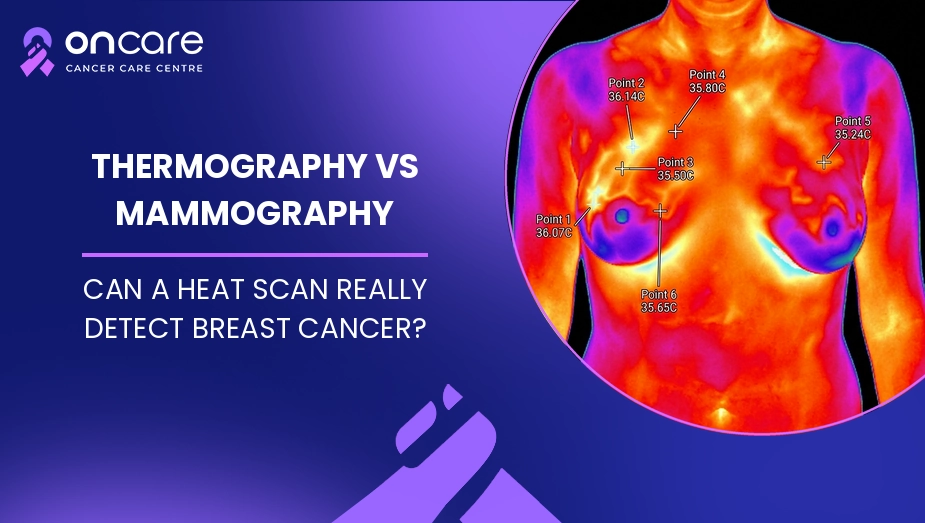
Thermography vs Mammography: Can a Heat Scan Really Detect Breast Cancer?
Learn how thermography and mammography differ, whether a heat scan can detect breast cancer, and when mammography may be the right choice with Oncare Hospital.
Breast MRI: When Is It Needed Instead of or Along With a Mammogram?
Learn when a breast MRI is needed with a mammogram, who may benefit, and how breast density and cancer risk affect screening at Oncare Cancer Hospital.