Table of Contents
Types of Blood Cancer: A Simple Guide for Patients & Caregivers

By Dr. Gajendra Kumar Himanshu


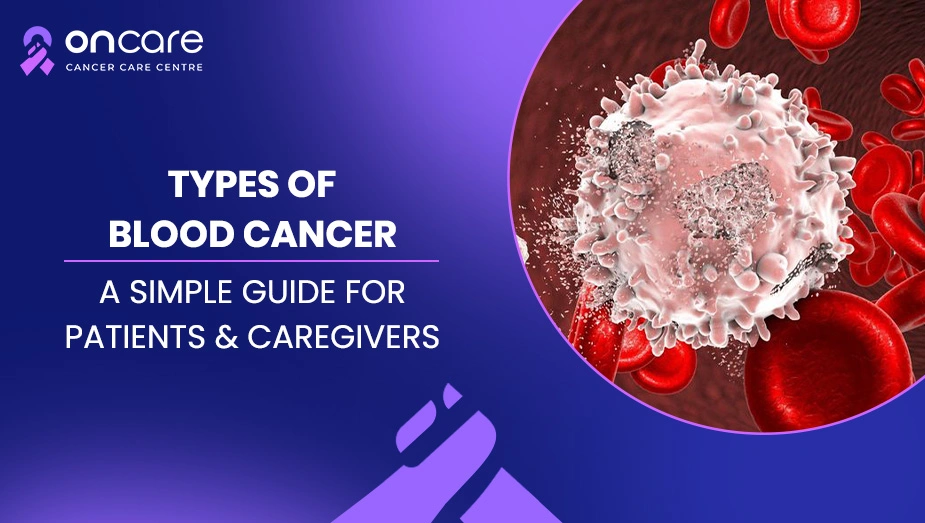
If you don't know what it implies, hearing the words "blood cancer" might be alarming and bewildering. A lot of people think of cancer as a lump or tumor, but blood cancer is not like that. It changes the way your body makes blood cells and how they work.
The good news is that many types of blood cancer can be treated well if they are found early. Patients' chances of survival and quality of life have gotten better because of medical advances.
This blog will help you understand the main types of blood cancer in simple terms. This will help patients and caregivers make better choices and feel more sure about what lies ahead.
What is cancer of the blood?
Blood cancer is a kind of cancer that affects the blood, bone marrow, or lymphatic system. It usually starts when blood cells that aren't normal expand too quickly and mess up the regular function of blood cells.
There are three primary types of cells in your blood:
- Red blood cells are the ones that deliver oxygen.
- White blood cells fight against pathogens.
- Platelets help blood clot.
When cancer affects these cells, it can cause difficulties like infections, tiredness, and bleeding problems.
The Most Common Types of Blood Cancer
There are three basic kinds of blood cancer. Each one has a different effect on the body.
1. Cancer of the blood
Leukemia is a type of cancer that affects the blood and bone marrow. It mostly affects white blood cells.
When someone has leukemia, their body makes white blood cells that aren't normal and don't work right. These cells take up space that healthy cells need, which makes it difficult for the body to fight infections.
Different kinds of leukemia:
- Acute Lymphoblastic Leukemia (ALL)
- Acute Myeloid Leukemia (AML)
- Chronic Lymphocytic Leukemia (CLL)
- Chronic Myeloid Leukemia (CML)
Signs and Symptoms:
- Fever and illnesses that happen often
- Tiredness
- Bleeding or bruising easily
- Pain in the bones or joints
2. Lymphoma
Lymphoma is a disease that affects the lymphatic system, which is a part of the immune system. It happens when lymphocytes, which are a type of white blood cell, proliferate too much.
The main types are:
- Lymphoma Hodgkin
- Lymphoma that isn't Hodgkin's
Typical Signs:
- Lymph nodes that are swollen
- Sweating at night
- Losing weight and being tired
3. Myeloma
Myeloma, or multiple myeloma, is a disease that damages plasma cells in the bone marrow. Plasma cells fight infections. In myeloma, these cells turn into cancer cells and make proteins that aren't normal.
Typical Signs:
- Pain in the bones
- Not strong
- Getting sick a lot
- Problems with the kidneys
A table that compares different types of blood cancer
What kind of blood cancer is it? | The area that was affected | Main Cells That Are Involved | Typical Signs |
|---|---|---|---|
Leukemia | Blood and Bone Marrow | Blood Cells White | Tiredness, infections, and bleeding |
Lymphoma | The lymphatic system | Lymphocytes | Weight loss, swelling, and nocturnal sweats |
Myeloma | Bone Marrow | Plasma Cells | Pain in the bones, weakness, and infections |
What Makes Blood Cancer Happen?
We don't always know what causes it, but some things may make it more likely:
- Changes in genes
- History of the family
- Radiation exposure
- Some substances
- A weak immune system
The World Health Organization says that cancer happens when normal cells grow and divide in ways that aren't normal.
How do doctors find out if someone has blood cancer?
To find out if someone has blood cancer, doctors do several tests:
- Tests on blood
- Biopsy of the bone marrow
- Tests that take pictures (CT scan, MRI)
- A biopsy of the lymph nodes
Early diagnosis is very important for getting better treatment results.
The National Cancer Institute and other health groups stress how important it is to get the right tests and find cancer early.
Treatment Choices for Blood Cancer
The type and stage of cancer determine the treatment.
Common Ways to Treat:
- Chemotherapy
- Therapy with radiation
- Therapy that targets the immune system
- Transplantation of stem cells
Doctors often use more than one treatment to get the best outcomes.
Having Blood Cancer
A diagnosis of blood cancer has an impact on both the patient and the caregiver. Taking care of your physical and mental wellness is crucial.
Advice for Patients:
- Stick to your treatment plan
- Follow a healthy diet
- As much as you can, stay active.
- Go to routine check-ups
Advice for caregivers:
- Give emotional support
- Help keep track of prescriptions and appointments
- Keep up with the state of affairs
Having family and healthcare professionals on your side can make a tremendous impact.
When should you go to the doctor?
If you see any of the following, you should see a doctor:
- Feeling tired for no reason
- Getting sick a lot
- Bleeding or bruising that isn't normal
- Lymph nodes are swollen.
Getting medical help early can lead to better results.
Consult Today
Leukemia, lymphoma, and myeloma are all kinds of blood cancer that affect the body in different ways. It can be hard to understand the diagnosis, but doing so is the first step toward getting better and getting better.
Many people live longer and better lives when they get the right medical care and assistance early on.
If you or someone you care about has blood cancer, it's vitally important to choose the correct care center. Oncare Cancer Hospital is a trusted place to go for the best cancer treatment since it has skilled doctors, sophisticated treatments, and caring staff.
Expert advice by Dr. Sukriti Gupta





Frequently Asked Questions
Leukemia, lymphoma, and myeloma are the three primary forms.
Some kinds can be cured, especially if they are found early. Treatment can help with some of them.
Early indicators include tiredness, infections, bleeding, and swollen lymph nodes.
Depending on the circumstance, treatment may involve chemotherapy, radiation, targeted therapy, or a stem cell transplant.
Written and Verified by:

Dr. Gajendra Kumar Himanshu Exp: 10 Yr
Medical Officer
Book an Appointment
Related Blogs
What Cancer Treatments Does Oncare Cancer Centre Provide?
Explore chemotherapy, radiation, surgery & advanced cancer treatments. Get expert, personalized care at Oncare Cancer Centre for better outcomes.
Carcinoma vs Sarcoma: Understanding the Two Major Cancer Types
Discover more about understanding two major types of cancers, carcinoma vs. sarcoma and their types, and their key differences, diagnoses, and treatment approaches.
Types of Cancer in Women: A Complete Guide
Learn about the most common cancers in women, their symptoms, risk factors, and the importance of early detection. Stay informed to protect your long-term health.
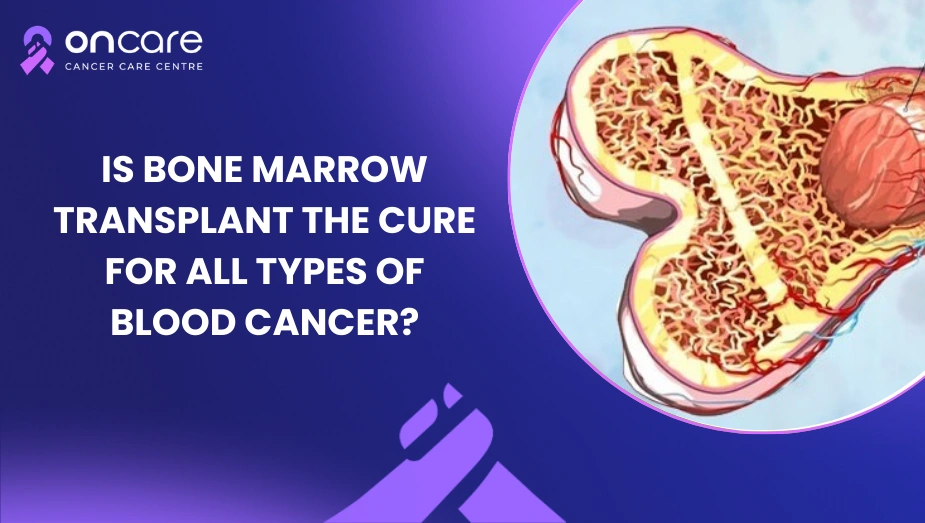
Is Bone Marrow Transplant The Cure For All Types Of Blood Cancer?
Bone marrow transplant for blood cancer in India—learn procedure details, cost factors, recovery, and benefits. Get expert transplant care at Oncare today.