Table of Contents
Stem Cell Transplantation for Blood Cancers: Your Essential Guide

By Dr. Gajendra Kumar Himanshu


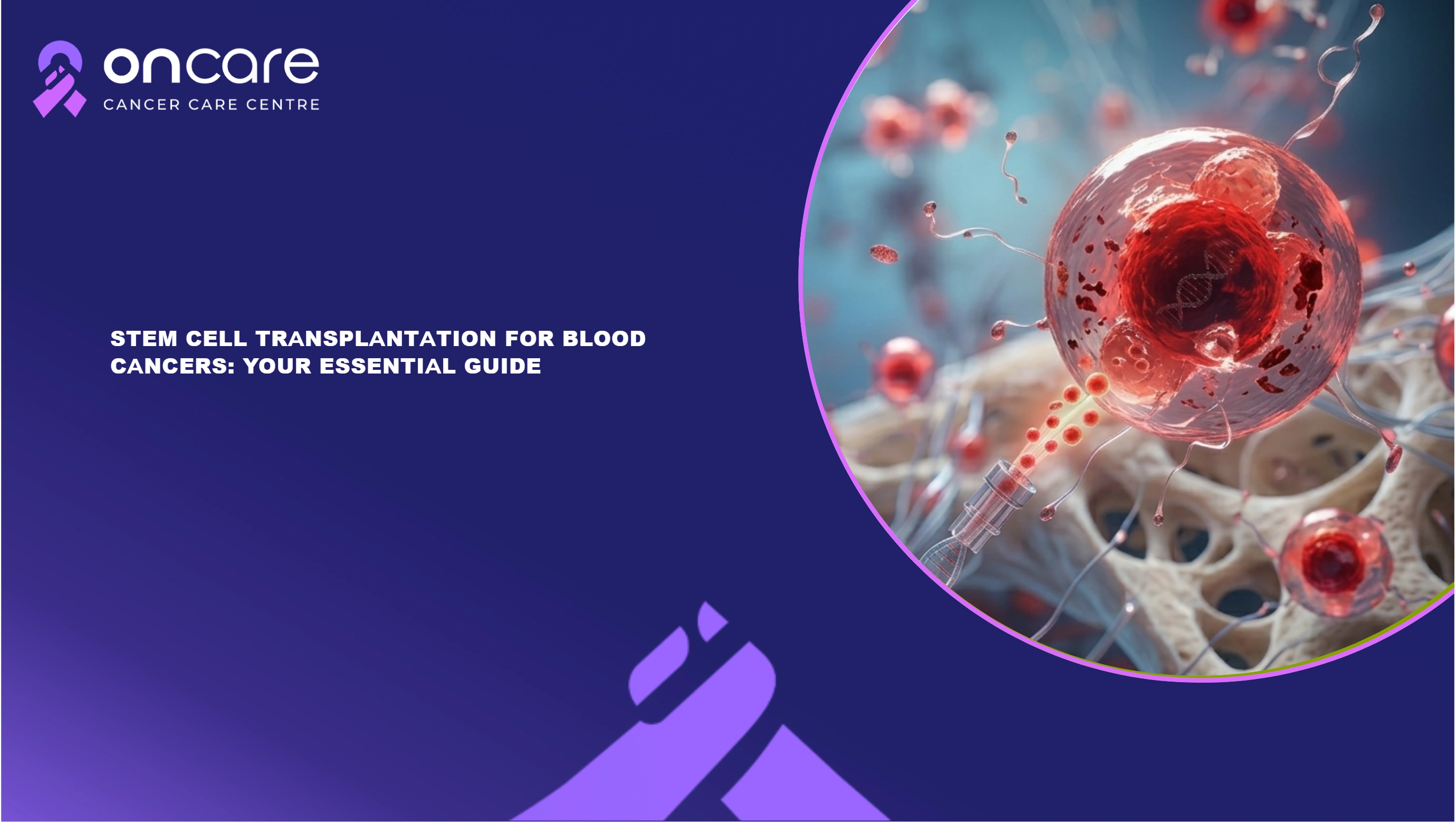
Anyone who hears the words "blood cancer" should stop and think for a moment. There are a lot of questions in the mind, anxiety, perplexity, and a silent hope for recovery. The good news is that medicine has made a lot of progress. The treatments we have now are better and more advanced than they were years ago. Stem cell transplantation for blood cancer is one treatment that has helped a lot of people.
It may sound like a hard medical phrase, but the notion behind it is really simple. When blood cancer makes it hard for the body to create healthy blood cells, doctors may give the body new, healthy stem cells to replace the unhealthy ones. These unique cells slowly fix the body's blood system and make the immune system stronger again.
This treatment can provide sufferers with leukemia, lymphoma, or multiple myeloma with true hope. Of course, the trip isn't always swift or easy. There are steps to take, times to wait, and times to heal. Many people with blood cancer have had success with stem cell transplants, though. Knowing how the process works might help make it less scary.
Understanding Stem Cell Transplantation for Blood Cancer
Stem cell transplantation for blood cancer is a way to treat the disease by replacing damaged or diseased bone marrow with healthy stem cells. The soft substance inside bones, called bone marrow, creates red blood cells, white blood cells, and platelets that help carry oxygen, fight infections, and stop bleeding.
This procedure doesn't work well in blood malignancies because malignant cells take over the marrow. Doctors typically employ chemotherapy or radiation to kill cancer cells, but these therapies can also hurt the healthy marrow.
That's why stem cell transplantation is so crucial. Healthy stem cells are put into the body, and after a while, they start to make new blood cells. As these cells proliferate in the bone marrow, the body slowly starts to rebuild its blood and immune system.
How Stem Cells Help the Body Heal
People often say that stem cells are the building blocks of the immune system and blood. When healthy stem cells are transplanted into the body, they move through the blood and settle in the bone marrow. They start making new blood cells there. This is the stage when the body slowly starts to heal. It is called engraftment.
These new cells take the place of injured or malignant ones, which helps the body make blood again. As time goes on, the immune system gets stronger, you feel better, and illnesses happen less often. It takes time to heal, though. Some days are better than others, and that's natural.
Different Kinds of Stem Cell Transplants
Doctors determine the optimal type of stem cell transplant for each patient based on their health. In an autologous transplant, surgeons take stem cells from the patient before treatment and give them back after chemotherapy.
In an allogeneic transplant, stem cells originate from a donor, who is usually a family member or someone with a tissue type that is quite similar. Doctors sometimes also employ stem cells from umbilical cord blood, which have a lot of healthy stem cells. Each choice is made with the patient's needs in mind.
The Process of Treatment
Most of the time, stem cell transplants proceed in steps. First, stem cells are taken from the patient or a donor. Then, the patient gets a lot of chemotherapy or radiation therapy to kill cancer cells and get the bone marrow ready.
After that, the transplant happens. The stem cells are put into a vein, which is like a blood transfusion. The cells move to the bone marrow once they are inside the body and start to make new blood cells.
Getting better and living after a transplant
It can take weeks or months to get better following a stem cell transplant. At first, patients may feel weary because their bodies are making new blood cells and immune systems. During this time, doctors normally tell people to get plenty of sleep, eat healthy foods, and see the doctor often.
People who are sick also need to be vigilant about getting sick while their immune system gets better. Slowly, though, strength comes back, daily tasks are simpler, and many people start to live their normal lives again.
Consult Today
Stem cell transplantation for blood cancer is one of the most advanced treatments available today. It offers hope to patients whose bone marrow has been affected by serious blood cancers. By replacing damaged cells with healthy stem cells, the body gets a chance to rebuild its blood system and restore immune strength.
The journey through transplantation may feel long at times, with moments of uncertainty along the way. Still, with proper medical care and support, many patients experience meaningful recovery and improved quality of life.
For individuals seeking expert guidance and advanced cancer care, Oncare Cancer Hospital provides specialized treatment for blood cancers, experienced oncologists, and personalized support throughout the transplant process. Choosing the right hospital and medical team can make a big difference in the treatment journey.





Frequently Asked Questions
Stem cell transplantation is commonly used to treat blood cancers such as leukemia, lymphoma, and multiple myeloma.
The transplant procedure itself usually feels similar to a blood transfusion. However, patients may experience side effects from chemotherapy during treatment.
Recovery time varies from person to person. Some patients recover within a few weeks, while others may take several months for full immune system recovery.
Stem cells may come from the patient, a family member, or a matched donor. In some cases, doctors also use stem cells collected from umbilical cord blood.
Written and Verified by:
Dr. Gajendra Kumar Himanshu Exp: 10 Yr
Medical Officer
Book an Appointment
Related Blogs
Top Blood Cancer Hospital in West Delhi: Patient Experience and Facilities
Discover expert care, advanced facilities, and patient support at the top blood cancer hospital in West Delhi. Trust Oncare Cancer Hospital for the best treatment.
How Do Blood Cancer Symptoms Appear in Male Patients?
Learn about early blood cancer symptoms in male patients, warning signs, and when to see a doctor. Get expert diagnosis and treatment at Oncare Cancer Hospital.
Is There a Cure for Blood Cancer? Treatment Options Explained
Learn about the cure for blood cancer, its types, and treatment options like stem cell transplant, and immunotherapy. Get expert care at Oncare Cancer Hospital.
PIVKA-II Blood Test: When Is It Recommended for Cancer Screening?
PIVKA-II test helps detect liver cancer early, know normal range, cost in India, and importance of screening. Get expert care at Oncare Cancer Hospital.