Table of Contents
TURBT: The First Surgery Most Bladder Cancer Patients Undergo

By Dr. Gajendra Kumar Himanshu


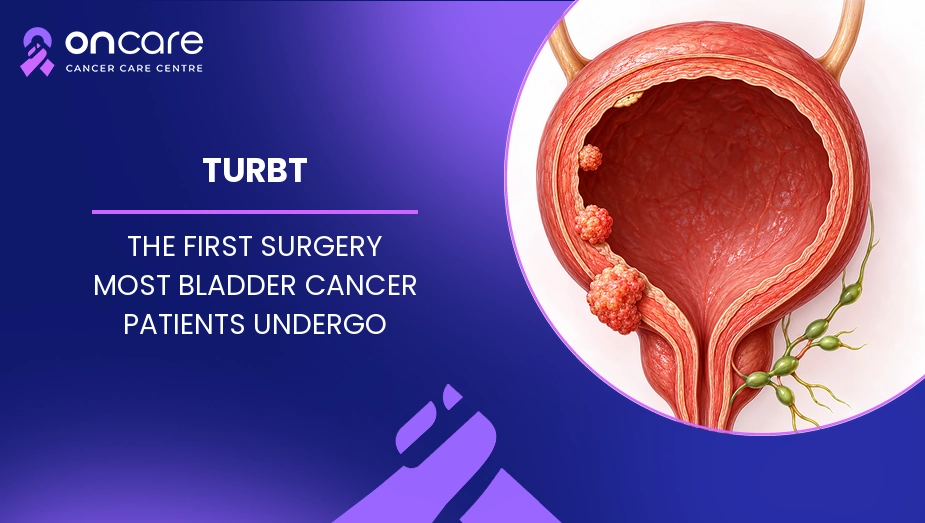
TURBT (Transurethral Resection of Bladder Tumour) is a common procedure used to remove bladder tumours through the urethra without making a cut on the outside of the abdomen. It is often the first treatment for non-muscle-invasive bladder cancer and also helps doctors find out how deeply the cancer has grown into the bladder wall.
Hearing that you need bladder surgery can feel worrying, especially if you do not know what TURBT involves. The procedure is different from major bladder surgery because the surgeon reaches the bladder through the natural urinary passage.
In this blog, we will explain what TURBT is, why doctors recommend it, how the procedure is performed, what recovery is like, possible side effects, and what treatment may be needed after TURBT.
What Is TURBT?
TURBT stands for Transurethral Resection of Bladder Tumour. During the procedure, a special thin instrument is passed through the urethra into the bladder. The surgeon uses this instrument to see and remove abnormal tissue or bladder tumours. There is no cut through the skin of the abdomen.
The tissue removed during TURBT is sent to a laboratory. A pathologist examines it to identify the type and grade of cancer and to check whether the tumour has reached the muscle layer of the bladder. This information is important for deciding what treatment should come next.
Why Is TURBT Done?
TURBT has two important purposes. First, it can remove visible bladder tumours. Second, it gives doctors tissue that can be examined to understand the cancer more clearly.
For many people with non-muscle-invasive bladder cancer, TURBT is the first treatment. The results help doctors decide whether further treatment, such as medicine placed directly into the bladder, is needed.
In some cases, a second TURBT may be recommended. This can happen when the first procedure did not remove enough tumour or when the sample does not contain enough bladder muscle to accurately assess whether the cancer has invaded the muscle layer.
How Is TURBT Performed?
Before TURBT, your doctor may perform tests such as cystoscopy, urine tests, blood tests, or imaging depending on your condition. You will also be given instructions about eating, drinking, and medicines before surgery.
During the Procedure
TURBT is usually performed under general anaesthesia or regional anaesthesia, so you should not feel the procedure itself. The surgeon passes a special instrument called a resectoscope through the urethra and into the bladder.
A small wire loop or another surgical tool is then used to remove the tumour. The surgeon may also use electrical energy or a laser to destroy abnormal cells or control bleeding.
The removed tissue is sent for laboratory testing. A urinary catheter may be placed temporarily after surgery to help drain urine and allow the bladder to heal.
What Happens After TURBT?
After the procedure, you will be monitored while the effects of anaesthesia wear off. A catheter may remain in place for a short time, especially if there has been bleeding or the surgeon needs to make sure urine can flow normally.
Some patients can go home the same day, while others may stay overnight depending on the size of the tumour, the procedure, and their overall health.
You may notice some blood in your urine or mild burning when passing urine for a short time. Your doctor will tell you how much fluid to drink and when you can return to normal activities.
TURBT Recovery and Care
Recovery after TURBT is generally quicker than recovery after major bladder surgery. Many people can return to their usual activities within one or two weeks, although this can vary depending on the extent of surgery and individual health.
During the early recovery period:
- Drink fluids as advised by your doctor.
- Avoid heavy lifting until your healthcare team says it is safe.
- Take prescribed medicines as directed.
- Keep your follow-up appointments.
- Report unusual or worsening symptoms to your doctor.
You can also read our Onco BCG 80 mg blog to understand one of the treatments that may be used after TURBT for some non-muscle-invasive bladder cancers.
Possible Side Effects of TURBT
TURBT is generally considered a safe procedure, but side effects can occur. Common short-term problems include blood in the urine, burning during urination, frequent urination, and mild discomfort. These symptoms usually improve as the bladder heals.
Less common complications can include infection, significant bleeding, difficulty passing urine, or injury to the bladder. Your doctor will explain the risks based on your individual condition.
Contact your healthcare team if you have heavy or persistent bleeding, severe pain, fever, difficulty passing urine, or symptoms that are getting worse rather than better.
What Treatment Comes After TURBT?
TURBT is often only the first step in bladder cancer treatment. The next treatment depends on the pathology report and the risk of the cancer returning or growing deeper into the bladder.
Some patients may need intravesical therapy, where medicine is placed directly into the bladder through a catheter. Depending on the risk level, this may include chemotherapy medicines or BCG immunotherapy. Regular cystoscopy is also commonly used to check the bladder for new tumours.
Possible Next Steps After TURBT
The next step usually depends on what the TURBT and pathology report show:
TURBT Finding | Possible Next Step |
|---|---|
Small, low-risk tumour | Follow-up and regular cystoscopy |
Tumour with higher recurrence risk | Intravesical chemotherapy or BCG may be considered |
High-grade or deeper tumour | Further evaluation and additional treatment |
Muscle-invasive cancer | More extensive treatment may be needed |
Incomplete or uncertain first TURBT | Repeat TURBT may be recommended |
The exact treatment plan is based on the tumour's stage, grade, size, number, and other risk factors.
Can Bladder Cancer Come Back After TURBT?
Yes. Bladder cancer can return even after a tumour has been completely removed. This is why regular follow-up is an important part of bladder cancer care. Some patients may need repeated TURBT procedures if new tumours develop.
Regular cystoscopy and other tests recommended by your doctor can help identify recurrence early and allow treatment to begin promptly.
If you want to read more about Transurethral Resection of Bladder Tumour, you can visit the National Library of Medicine.
Consult Today
TURBT is an important procedure in the diagnosis and treatment of bladder cancer. It can remove visible tumours and provide the tissue doctors need to understand the cancer and plan the next step.
At Oncare Cancer Hospital, the cancer care team can review your cystoscopy findings, pathology reports, scans, and overall health to help you understand your bladder cancer treatment plan. If you have been advised to undergo TURBT or have already received a bladder cancer diagnosis, speak with a specialist about your next step.
Disclaimer
This information is for educational purposes only and does not constitute medical advice, diagnosis, or treatment. The need for TURBT and further bladder cancer treatment depends on each patient's condition and requires individual evaluation. Always discuss treatment decisions with a certified urologist or cancer healthcare provider.





Frequently Asked Questions
TURBT is less invasive than open bladder surgery because the surgeon reaches the bladder through the urethra without making an abdominal incision.
You receive anaesthesia during the procedure, so you should not feel the surgery itself. Mild burning or discomfort while urinating can occur afterward.
Many people return to normal activities within one to two weeks, but recovery depends on the size of the tumour and the extent of the procedure.
Sometimes, especially for selected low-risk tumours. However, some patients need additional bladder treatments, such as BCG or intravesical chemotherapy, and regular follow-up.
Written and Verified by:
Dr. Gajendra Kumar Himanshu Exp: 10 Yr
Medical Officer
Book an Appointment
Related Blogs
Appendix Cancer: Understanding a Rare Gastrointestinal Malignancy
Learn about appendix cancer, including its symptoms, types, diagnosis, treatment options, HIPEC, and recovery. Get clear guidance from Oncare Cancer Hospital.

Breast Reconstruction After Mastectomy: Types, Timing and Recovery
Learn about breast reconstruction after mastectomy, including implant and flap options, recovery, risks, and timing with Oncare Cancer Hospital's guidance.
Colostomy and Stoma Care After Colorectal Surgery: A Practical Guide
Learn how to care for a colostomy, including stoma cleaning, bag changes, diet, recovery, common problems, and daily life. Oncare Cancer Hospital's guidance.