Table of Contents
Colostomy and Stoma Care After Colorectal Surgery: A Practical Guide

By Dr. Gajendra Kumar Himanshu


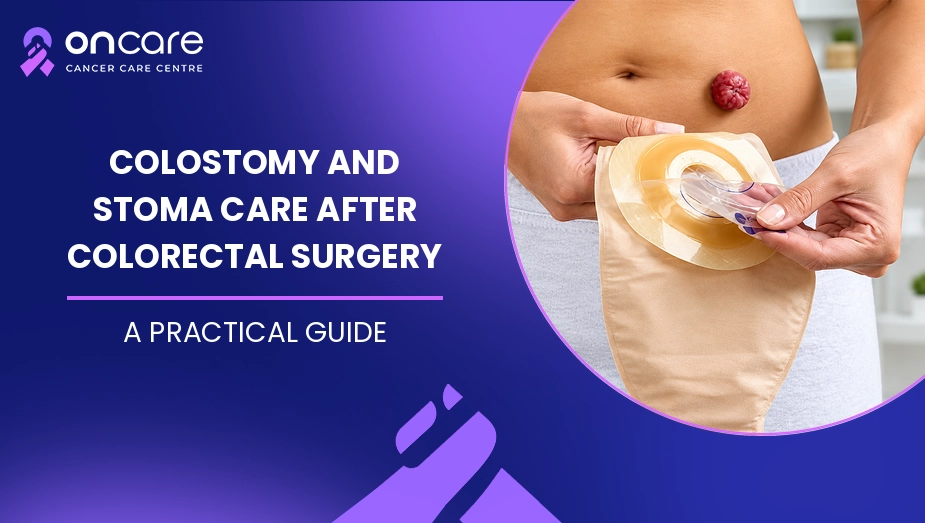
A colostomy is a surgical procedure in which part of the colon is brought through an opening in the abdomen, called a stoma, so that stool can leave the body into a special bag. A colostomy may be temporary or permanent, depending on the type of colorectal surgery and the patient's condition. After surgery, proper stoma care helps prevent skin problems, leaks, infection, and other complications.
Having a stoma after colorectal surgery can feel difficult at first. You may have questions about changing the bag, cleaning the skin, eating, bathing, exercising, and knowing what changes are normal. The good news is that most people gradually become comfortable with stoma care. This blog explains colostomy care in simple words and shares practical tips for recovery and daily life.
What Is a Colostomy and Stoma?
A colostomy is made when a surgeon brings part of the colon through an opening in the abdominal wall. This opening is called a stoma. Stool then passes through the stoma and collects in a pouch attached to the skin.
A colostomy may be needed when part of the bowel needs to heal after surgery or when the lower part of the bowel cannot be used normally. It may be temporary or permanent. In some patients, a temporary colostomy can later be reversed with another operation.
If you want to understand more about colorectal cancer surgery, you can read our page on colon cancer treatment to learn about the different surgical options.
What Does a Stoma Look Like After Surgery?
In the first few days after surgery, the stoma can look swollen and may have some bruising. This can be normal during early healing. Over the following weeks, the swelling usually reduces, and the stoma becomes smaller. A healthy stoma is generally moist and pink or red.
A stoma does not have the muscles that normally control bowel movements. This means stool comes out through the stoma into the pouch. Your healthcare team or stoma nurse will teach you how to empty and change the pouch before you leave the hospital.
How to Care for Your Stoma at Home
Good daily care can help keep the stoma and the surrounding skin healthy.
Keep the Skin Clean and Dry
When changing the pouch, gently clean the skin around the stoma with water. Dry the area completely before applying a new skin barrier or pouch. Avoid rubbing the skin because it can cause irritation.
The opening of the skin barrier should fit closely around the stoma. If the opening is too large, stool can touch the skin and cause soreness. If it is too small, it can press against the stoma and cause injury.
You can also read our blog on living with a stoma after cancer surgery for more tips about daily stoma care and adjusting to life after surgery.
How to Change a Colostomy Bag
Your stoma nurse will show you the correct way to change your pouch. The exact steps can vary depending on the type of pouch you use.
In general, you will need to:
- Carefully remove the old pouch and skin barrier.
- Clean and dry the skin around the stoma.
- Check the stoma and surrounding skin for changes.
- Fit the new skin barrier around the stoma.
- Attach the pouch securely and check for leaks.
Many people change their pouch every few days, but the timing depends on the pouch system, skin condition, leakage, and individual needs. Do not wait for repeated leaks or skin irritation before seeking advice.
Eating and Drinking After Colostomy Surgery
Your diet may need to be adjusted while your bowel heals. Your surgeon or dietitian will tell you what foods are suitable for your stage of recovery. Some people may initially be advised to follow a lower-fibre diet before gradually adding more foods.
Drink enough fluids unless your doctor has given you a different fluid plan. It can also help to introduce foods gradually and notice which foods cause gas, constipation, loose stools, or discomfort.
Foods that cause problems can be different for each person, so keeping a simple food and symptom record may help you identify foods that do not suit you.
Colostomy Care During Recovery
Recovery takes time. After a colostomy, you may feel tired and need several weeks to return to your usual activities. The NHS notes that recovery can take around eight weeks, although the exact time differs from person to person. Gentle walking can usually be introduced as you feel able, while heavy lifting and strenuous activity should be avoided until your surgical team says it is safe.
Your doctor may give you specific instructions based on your operation and overall health. Follow these instructions rather than comparing your recovery with someone else's.
Common Stoma Problems and What to Watch For
Most stoma problems can be managed when identified early. Skin irritation is one of the common concerns and may happen when stool repeatedly comes into contact with the skin or when the pouch does not fit properly.
Contact your healthcare team if you notice:
- Increasing redness, swelling, or soreness around the stoma
- Repeated pouch leakage
- Significant bleeding from the stoma
- A major change in the appearance or colour of the stoma
- Severe abdominal pain or vomiting
- Very little or no stool coming out with increasing pain or swelling
Do not try to treat a serious stoma problem on your own. Your surgeon or stoma nurse can check the cause and recommend the right solution.
Can You Live a Normal Life With a Colostomy?
Yes, a colostomy can require some changes, but many people return to work, travel, exercise, and social activities after recovery. The pouch is designed to collect stool securely, and many modern pouch systems are relatively discreet.
It can take time to feel confident. Having support from your family, surgeon, stoma nurse, or other people living with a stoma can make this adjustment easier.
If you want to read more about colon cancer treatment, you can visit the National Cancer Institute.
Consult Today
Colostomy care is an important part of recovery after colorectal surgery. Learning how to care for the stoma, protect the surrounding skin, manage the pouch, and recognise warning signs can help you feel more confident at home.
At Oncare Cancer Hospital, the cancer care team can support patients through colorectal cancer treatment, surgery, recovery, and stoma care. If you or a family member has recently undergone colorectal surgery or has been advised to have a colostomy, speak with your healthcare team about your individual care plan.
Disclaimer
This information is for educational purposes only and does not constitute medical advice, diagnosis, or treatment. Stoma care needs can differ from person to person depending on the type of surgery and recovery. Always follow the advice of your surgeon, stoma nurse, or certified cancer healthcare provider.





Frequently Asked Questions
Not always; some colostomies are temporary and may be reversed later, while others are permanent. It depends on the surgery and the patient's condition.
It depends on the pouch system and your individual needs. Many people change their pouching system every few days, but your stoma nurse can recommend the right schedule.
Yes, water does not normally harm the stoma. You can usually shower with the pouch on or follow your healthcare team's advice about bathing without it.
Gentle walking can be helpful during recovery, but strenuous exercise and heavy lifting should be avoided until your surgeon says they are safe.
Written and Verified by:
Dr. Gajendra Kumar Himanshu Exp: 10 Yr
Medical Officer
Book an Appointment
Related Blogs
TACE (Trans-Arterial Chemoembolisation): Targeted Treatment for Liver Cancer
Learn how TACE treats liver cancer, including the procedure, benefits, side effects, recovery, and follow-up care. Oncare Cancer Hospital provides clear guidance.
Radiofrequency Ablation (RFA) for Liver Tumours: Procedure and Recovery
Learn how RFA treats liver tumours, its benefits, recovery, side effects and suitability. Get clear guidance and expert care from Oncare Cancer Hospital.

SBRT (Stereotactic Body Radiation Therapy): Precision Radiation in Fewer Sessions
Learn how SBRT works, its benefits, sessions, side effects and who may be eligible. Get clear guidance from Oncare Cancer Hospital for your cancer care.