Table of Contents
Breast Reconstruction After Mastectomy: Types, Timing and Recovery

By Dr. Gajendra Kumar Himanshu


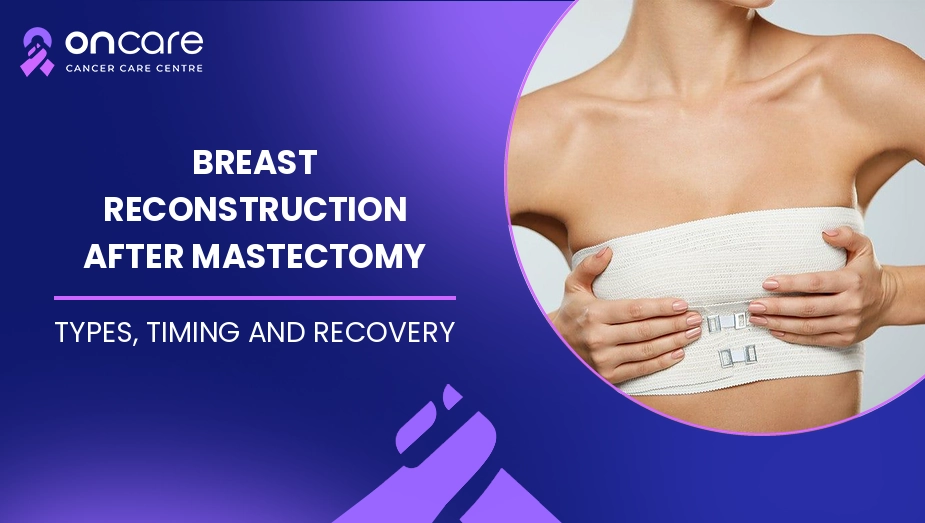
Breast reconstruction after mastectomy is surgery that rebuilds the shape of the breast after the breast has been removed during cancer treatment. Reconstruction can be done using a breast implant or tissue from another part of the body. It may be performed during the same surgery as the mastectomy, called immediate reconstruction, or months or even years later, called delayed reconstruction.
A mastectomy can be an important part of breast cancer treatment, but losing a breast can also affect how a person feels about their body. Breast reconstruction gives some women the option of rebuilding the breast shape. The decision is personal and depends on cancer treatment, overall health, planned radiation therapy, body shape, and personal preference.
In this blog, we will explain the main types of breast reconstruction, when it can be done, what recovery is like, and what patients should know before making a decision.
What Is Breast Reconstruction After Mastectomy?
Breast reconstruction is a surgery that creates a new breast shape after a mastectomy. It does not bring back the original breast or its normal feeling, but it can help restore the appearance of the chest.
Some women choose reconstruction, while others prefer to use a breast prosthesis or have a flat closure. There is no single right choice. Your breast cancer surgeon and reconstructive surgeon can explain the options and help you choose what fits your medical needs and personal wishes.
If you are still learning about breast cancer surgery, our blog on lumpectomy vs mastectomy can help you understand how these two surgeries are different.
What Are the Types of Breast Reconstruction?
There are two main types of breast reconstruction: implant reconstruction and tissue flap reconstruction. In some cases, doctors may combine both methods.
1. Implant Reconstruction
Implant reconstruction uses a saline or silicone implant to create the breast shape. In many cases, doctors place a temporary device called a tissue expander first. It is gradually filled over time to stretch the skin before a permanent implant is placed. Some patients may be able to have a permanent implant placed during the mastectomy itself.
This option may involve fewer areas of surgery than flap reconstruction, but the right choice depends on the amount of skin available, previous treatment, and whether radiation therapy is needed.
2. Tissue Flap Reconstruction
Tissue flap reconstruction uses tissue from another part of the body to create the new breast. Tissue may come from areas such as the abdomen, back, thighs, or buttocks.
Because the tissue comes from your own body, the reconstructed breast may feel more natural. However, flap surgery is generally more complex and also creates a healing area where the tissue was taken.
For more information about breast cancer surgery options and costs, you can also read our breast cancer surgery cost blog.
Immediate vs Delayed Breast Reconstruction
Breast reconstruction can be done at different times. The timing is usually decided as part of the overall cancer treatment plan.
Feature | Immediate Reconstruction | Delayed Reconstruction |
|---|---|---|
Timing | During the mastectomy | Months or years after mastectomy |
Main benefit | Breast shape is rebuilt during the same operation | More time to complete cancer treatment and decide on reconstruction |
Radiation impact | May affect the reconstruction plan | Can be planned after radiation |
Number of surgeries | May reduce the need for a separate first reconstruction operation | Requires a later reconstruction procedure |
Suitable for | Selected patients | Patients who need to wait or prefer to wait |
When Is the Best Time for Breast Reconstruction?
There is no single best time for every patient. Some women have reconstruction during mastectomy, while others wait until their main cancer treatment is finished.
Immediate reconstruction is not suitable for everyone. If radiation therapy is needed, it can affect healing and the reconstructed breast, so your doctors may recommend a different timing. Delayed reconstruction may be planned after radiation or other cancer treatments are completed.
The treatment plan may depend on:
- Whether radiation therapy is needed
- Whether chemotherapy is planned
- Your overall health and ability to heal
- The type of mastectomy
- The amount of skin and tissue available
- Your personal preference
Your doctors should discuss reconstruction before mastectomy whenever possible. This gives the breast surgeon and reconstructive surgeon time to plan the surgery together.
You can also read our blog on types of mastectomy to understand how different mastectomy procedures may affect reconstruction choices.
What Happens During Breast Reconstruction?
The exact procedure depends on the reconstruction method. With implant reconstruction, the surgeon places a tissue expander or implant under the skin or chest muscle. With flap reconstruction, tissue is moved from another part of the body to create the breast shape.
Reconstruction may require more than one surgery. After the main procedure, some patients may have additional procedures to improve breast shape or balance. Nipple and areola reconstruction may also be done later through surgery, medical tattooing, or both.
Recovery After Breast Reconstruction
Recovery depends on the type of reconstruction. People who have implant surgery may recover more quickly than those who have flap reconstruction because flap surgery involves more than one area of the body.
Many patients can go home within a few days. Soreness and tiredness are common during the first one or two weeks. Most people gradually return to normal activities over several weeks, but complete recovery can take longer.
During recovery, you may have drains that remove extra fluid from the surgical area. Your healthcare team will teach you how to care for them and tell you when they can be removed.
You may need to avoid heavy lifting, strenuous exercise, and some arm movements for a period of time. Follow your surgeon's instructions rather than trying to return to activities too quickly.
For more information about getting back to daily life after breast cancer treatment, you can read our blog on breast cancer recovery time.
Possible Risks and Side Effects
Like any major surgery, breast reconstruction has some risks. These can include bleeding, infection, blood clots, fluid build-up, wound-healing problems, and tiredness. Flap reconstruction can also have problems in the area where the tissue was taken.
Some women may experience changes in breast shape, scars, numbness, or reduced sensation. A reconstructed breast may not feel exactly like a natural breast, although some sensation can return over time.
Contact your healthcare team if you notice increasing pain, swelling, redness, fever, wound discharge, or other changes that concern you.
Does Breast Reconstruction Affect Cancer Treatment?
Breast reconstruction is planned alongside cancer treatment. It does not replace treatments such as chemotherapy, radiation therapy, hormone therapy, or targeted therapy when those treatments are needed.
The timing of reconstruction can be especially important if radiation therapy is part of your treatment. Your breast surgeon, plastic surgeon, and oncology team should discuss the plan together.
If you want to read more about breast reconstruction after mastectomy, you can visit the National Cancer Institute.
Consult Today
Breast reconstruction after mastectomy is a personal decision. Some women want reconstruction immediately, some prefer to wait, and others choose a breast prosthesis or flat closure. The best option depends on your cancer treatment, health, body, and personal goals.
At Oncare Cancer Hospital, the cancer care team can help you understand your breast cancer surgery and reconstruction options. Discuss your treatment plan with your specialist so you can make a decision that is medically suitable and comfortable for you.
Disclaimer
This information is for educational purposes only and does not constitute medical advice, diagnosis, or treatment. The right reconstruction option and timing depend on your cancer treatment, overall health, and personal preferences, and require individual evaluation. Always discuss surgical decisions with a certified breast surgeon or cancer healthcare provider.





Frequently Asked Questions
Yes. This is called immediate reconstruction. It can be done during the same operation as the mastectomy for selected patients.
Yes. Delayed breast reconstruction can be performed months or even years after a mastectomy, depending on your health and treatment history.
Neither is better for everyone. The choice depends on your health, body shape, cancer treatment, previous surgeries, and personal preference.
Recovery varies by procedure. Many people return to usual activities within about 6 to 8 weeks, although complete healing can take longer.
Written and Verified by:
Dr. Gajendra Kumar Himanshu Exp: 10 Yr
Medical Officer
Book an Appointment
Related Blogs
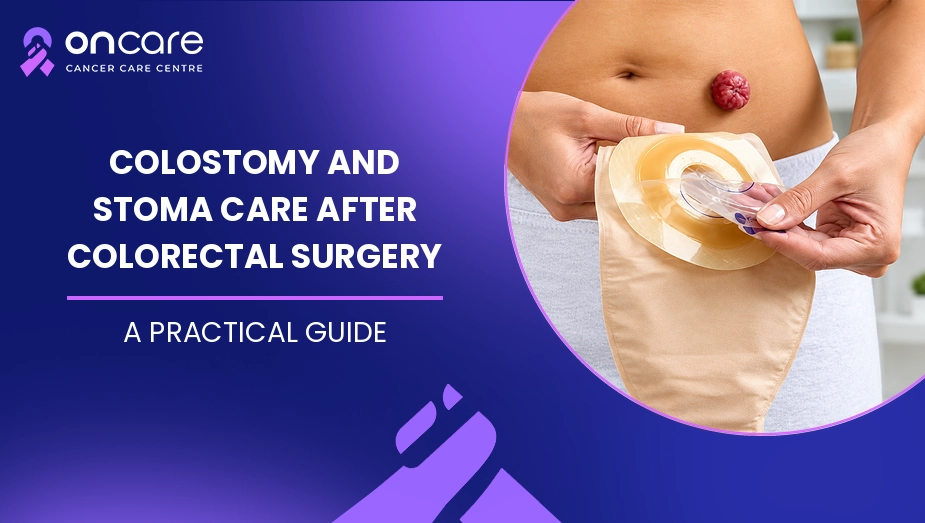
Colostomy and Stoma Care After Colorectal Surgery: A Practical Guide
Learn how to care for a colostomy, including stoma cleaning, bag changes, diet, recovery, common problems, and daily life. Oncare Cancer Hospital's guidance.
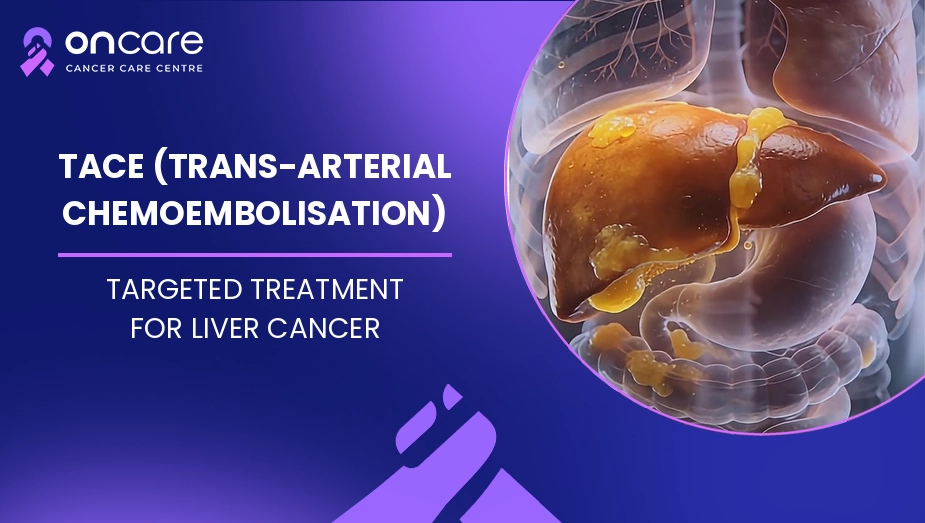
TACE (Trans-Arterial Chemoembolisation): Targeted Treatment for Liver Cancer
Learn how TACE treats liver cancer, including the procedure, benefits, side effects, recovery, and follow-up care. Oncare Cancer Hospital provides clear guidance.
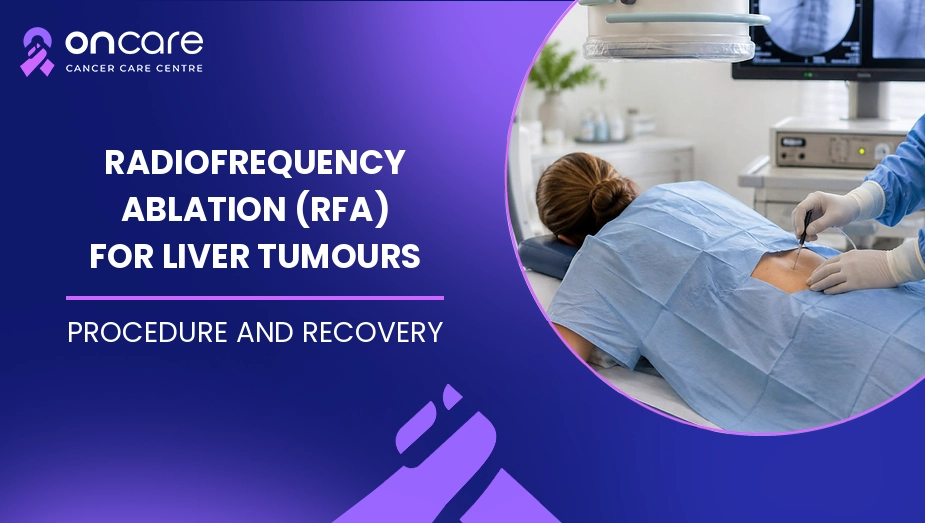
Radiofrequency Ablation (RFA) for Liver Tumours: Procedure and Recovery
Learn how RFA treats liver tumours, its benefits, recovery, side effects and suitability. Get clear guidance and expert care from Oncare Cancer Hospital.