Oncare offers radiation therapy in Delhi NCR, planned by a team of radiation oncologists, medical oncologists and surgical oncologists who review each case together. This page explains what radiation therapy is, who treats you, the techniques used, how many sessions to expect, side effects and cost, so you know what to ask before you start.
Radiation therapy (radiotherapy) uses high-energy rays to damage the DNA of cancer cells so they stop growing and shrink. It is planned and supervised by a radiation oncologist, also called a radio oncologist or radiotherapy specialist. It can be used alone or together with surgery or chemotherapy, depending on the cancer type and stage. Most people have sessions on weekdays over several weeks, though some techniques need far fewer.
Radiation damages cancer cells, which are generally less able to repair themselves than healthy cells. Modern techniques aim to limit the dose to nearby healthy tissue. Some exposure still happens, which is why side effects can occur.
Your stage and grade help decide which of these applies.
A radiation oncologist is a doctor who specialises in treating cancer with radiation. You may also hear the terms radio oncologist, radiotherapy specialist, radiation doctor or cancer radiation specialist. A consultant radiation oncologist is a senior specialist who leads your radiation treatment plan. A radiation oncologist:
A radiation oncologist is not the same as a radiologist. A radiologist reads scans and X-rays. A radiation oncologist treats cancer with radiation.
Radiation is used for many cancers, including breast cancer, lung cancer, prostate, head and neck, cervical cancer, brain and colorectal cancers. It can also relieve symptoms when comfort is the goal.
Technique | What it does | Often used for |
|---|---|---|
3D-CRT (3D conformal) | Shapes the beams to the 3D form of the tumour | Many common cancers |
IMRT | Varies beam intensity to shape the dose precisely | Tumours near sensitive structures |
IGRT | Uses imaging during treatment to confirm tumour position every session | Tumours that can move, such as in the lung or prostate |
VMAT | Delivers radiation in a continuous arc, which can shorten each session | Complex shapes, many sites |
SBRT / SRS | High, focused doses in a few sessions | Small, well-defined tumours |
A radioactive source placed inside or next to the tumour. | Cervical, prostate and other cancers | |
Tomotherapy | A form of IMRT delivered by a machine that combines a CT scanner with a rotating radiation beam | Long or complex treatment areas and multiple targets |
Which technique you get depends on the cancer, its location, and your overall health. Your radiation oncologist will explain the choice.
For more, read our guide to choosing a radiation oncologist in Delhi.
It varies. Conventional courses take several weeks. SBRT may need far fewer sessions. Your radiation oncologist will give you the number after planning.
Learn more about radiation therapy side effects, skin changes (radiation dermatitis), supportive care and the emotional impact of cancer.
These are indicative ranges for a full course, to help you plan. They are not a quote, and they do not include diagnostics, consultations or hospital stay. Your own estimate is prepared in writing after your planning scan.
Technique | Indicative cost (full course) |
|---|---|
Conventional / 3D-CRT | ₹50,000 - ₹2,00,000 |
IMRT | ₹1,20,000 - ₹1,90,000 |
IGRT | ₹1,80,000 - ₹2,50,000 |
VMAT | ₹2,50,000 - ₹3,50,000 |
The final cost depends on the cancer type and stage, the number of sessions, the technique, and hospital and doctor fees.
If you are searching for radiation therapy near you, Oncare has centres across Delhi NCR:
Find the nearest centre and the right specialist.
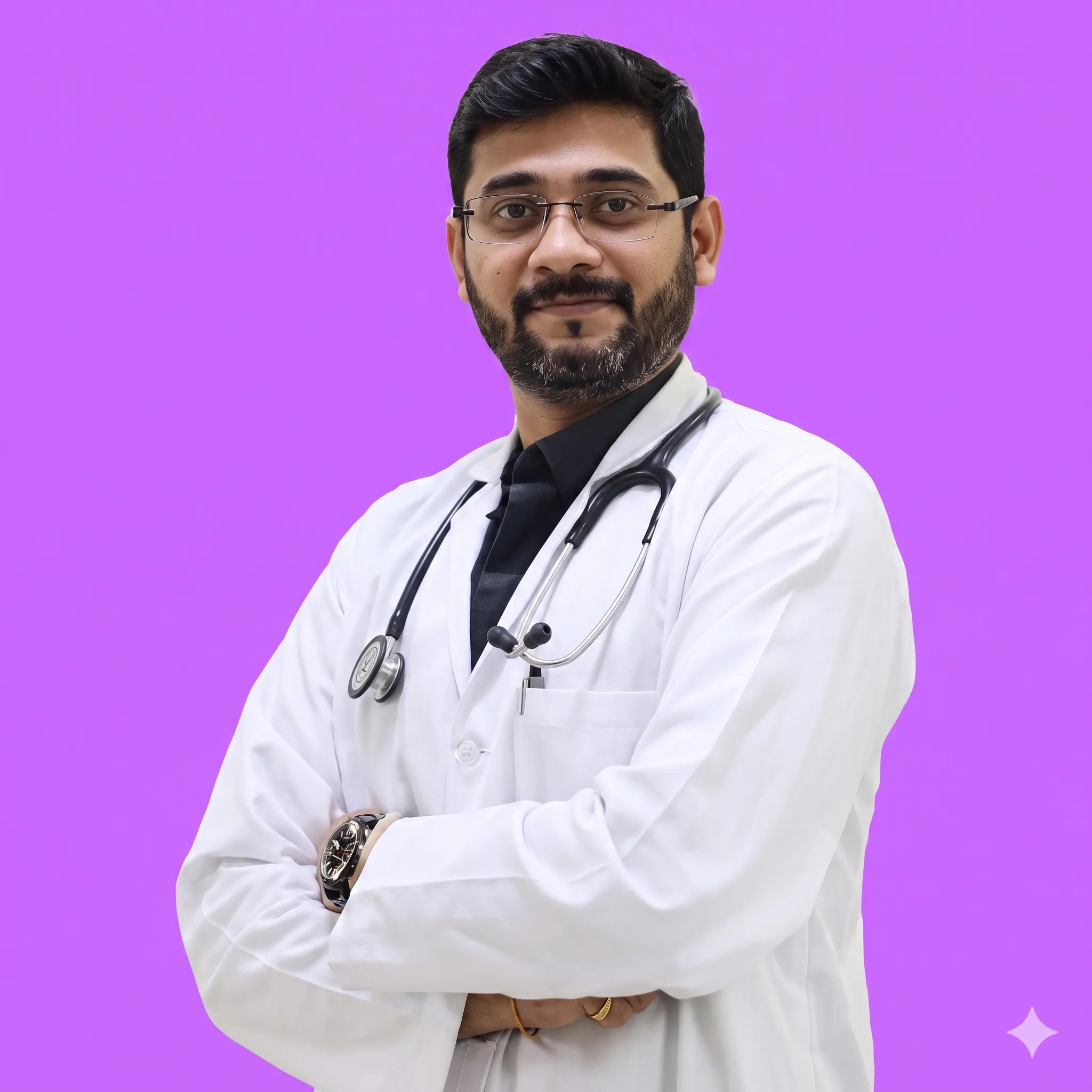

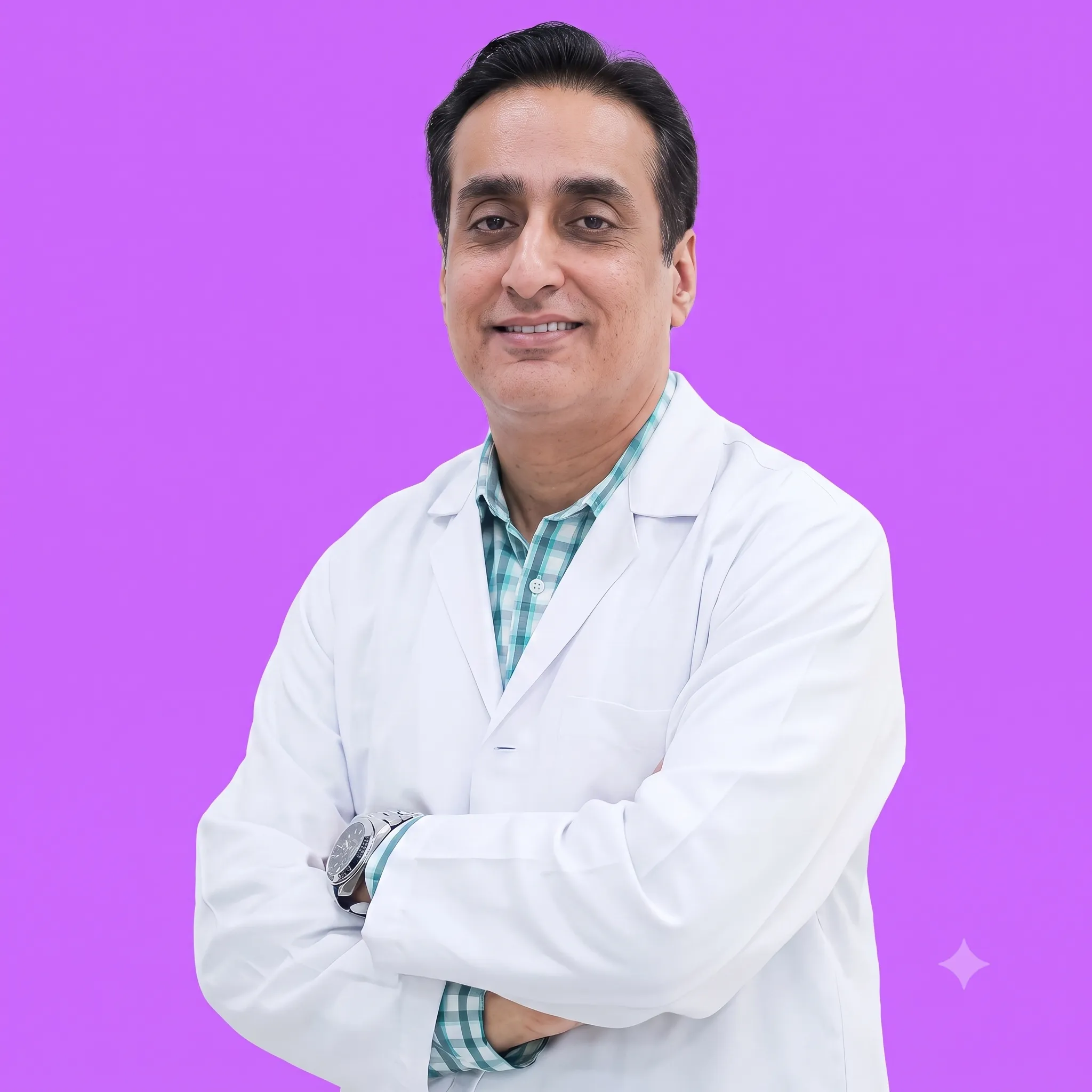
Choose a centre close to home, since treatment usually means daily visits for weeks. Oncare has centres in South Delhi, West Delhi, Gurugram, Noida and Ghaziabad. Call to find the nearest one.
Yes. Oncare's South Delhi centre in Greater Kailash-1 offers consultations with oncology specialists. See Oncare South Delhi and the Oncare team for specialists.
Look at the experience of the team, the techniques available, whether your case is reviewed by several specialists, and the support offered during treatment. Visit, ask questions, and consider a second opinion.
You do not feel the radiation beam during the session. Side effects such as skin irritation or tiredness can develop over time, and your team can help manage them.
It varies. Conventional courses take several weeks, while SBRT may need far fewer sessions. You will get the number after planning.
Yes. This is called chemoradiation. The two may be given together, depending on the cancer type and stage.
Yes. Radiation after surgery (adjuvant radiation) is used to destroy any remaining cancer cells.
Yes. Oncare offers a second opinion in cancer. Bring your reports and scans.
From diagnosis to recovery, Oncare’s expert oncologists walk with you every step of the way.