Table of Contents
Neoadjuvant Therapy: Why Some Patients Get Chemo Before Surgery

By Dr. Gajendra Kumar Himanshu


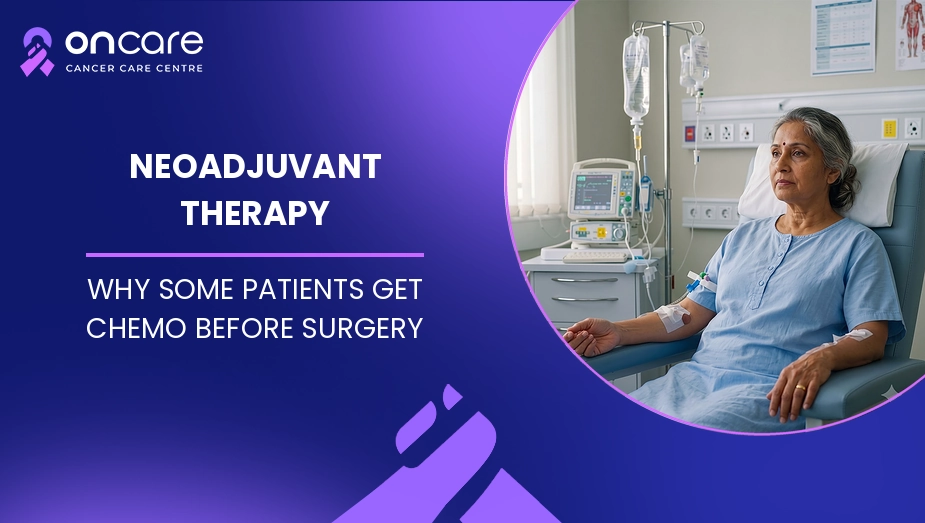
Neoadjuvant therapy is a type of cancer treatment that is given before surgery to shrink a tumour, make surgery more successful, and lower the possibility that cancer may spread. Neoadjuvant therapy will depend on the kind and stage of cancer. It can involve chemotherapy, targeted therapy, immunotherapy, hormone therapy or radiation, all of which assist doctors in developing a more effective treatment strategy.
In this article, we will discuss why some patients get chemotherapy before surgery, covering how neoadjuvant therapy works, why doctors recommend it for specific tumours, its benefits, probable side effects, and what patients can expect before, during and after treatment.
What is the Importance of Neoadjuvant Therapy?
Many people think that the first step in treating cancer is surgery. Surgery remains one of the greatest ways to get rid of cancer, but it's not always the ideal place to start. Sometimes, treating the cancer first can improve surgery outcomes.
Neoadjuvant therapy helps doctors shrink the tumour, make surgery less extensive, and treat cancer cells that may have already spread beyond the main tumour but are too small to be seen on scans. It also allows the medical team to measure the effectiveness of the cancer treatment, which can be used to guide future therapy after surgery.
This method is now well established in numerous cancers including breast, rectal, oesophagus, bladder and some lung cancers.
What Is Neoadjuvant Therapy?
Neoadjuvant therapy is any cancer treatment that is provided before the main operation. The goal is not to replace surgery, but to increase its success.
Based on the type of cancer, your doctor may recommend one or more of the following treatments:
- Chemotherapy
- Targeted therapies
- Immunotherapy
- Hormone treatment
- Radiation therapy
- A combination of these treatments
The decision relies on the type of cancer, its stage, its genetic features and the general health of the patient.
Why Do Some Patients Have Chemotherapy Before Surgery?
Pre-operative chemotherapy is recommended only when there is a demonstrable medical benefit. The choice is taken following a thorough appraisal by a multi-disciplinary cancer team.
To Reduce the Tumour
It may be difficult to entirely remove large tumours. Chemotherapy may lessen the tumour size, making it safer for surgeons to remove without damaging neighbouring healthy cells.
For example, with breast cancer, reducing the tumour can allow the patient to have breast-conserving surgery rather than a full mastectomy.
Kill Microscopic Cancer Cells
Scans can look normal, but microscopic cancer cells may already have moved to other parts of the body. The chemotherapy attacks these dormant cells early on, greatly reducing the chances of them recurring later on.
Improved Surgical Outcomes
Smaller tumours are frequently easier to operate on, and the chances of removing all of the cancer with clear margins (no cancer cells at the perimeter of the tissue that is removed) are better.
To Assess the Response to Treatment
Doctors can see how the tumour responds to the chemotherapy just before the operation. In many cases, a robust response suggests that the treatment is working well. In cases when the response is inadequate, the treatment strategy after surgery may be altered.
What Cancers Are Usually Given Neoadjuvant Treatment?
Neoadjuvant therapy is often advised for a number of malignancies.
Type of Cancer | Reasons for Using Neoadjuvant Therapy |
|---|---|
Breast carcinoma | Reduce tumour size and improve breast conservation |
Colon cancer | Shrink tumour, reduce likelihood of recurrence before surgery |
Esophageal cancer | Increase probability of full tumour removal |
Bladder carcinoma | Treatment of occult cancer cells before surgery |
Non-Small Cell Lung Cancer | Improve surgical success for selected patients |
Gastric cancer | Preoperative tumour downsizing |
Not all patients with these malignancies need to get neoadjuvant therapy. Therapeutic judgments are made on a case-by-case basis.
What is Neoadjuvant Chemotherapy?
Treatment usually begins after a battery of diagnostic procedures such as imaging, biopsies, and blood work. The oncology team provides an individualised treatment plan.
Chemotherapy is usually given in cycles with breaks in between treatments to allow for healing. Depending on the cancer, patients may be treated for weeks or months, and then repeat scans are used to measure the response.
Then, if the tumour has reduced sufficiently and the patient is medically fit, surgery is planned.
Advantages of Neoadjuvant Therapy
Starting treatment before surgery benefits many patients.
Some of the major benefits are:
- Enables removal of large tumours
- May allow for less aggressive surgery
- Starts therapy of microscopic disease earlier
- Helps doctors determine how well treatment is working
- Provides vital information for planning further therapy following surgery
- May increase long-term survival in specific malignancies
Are There Any Risks or Side Effects?
As with all cancer therapies, there are potential negative effects of neoadjuvant chemotherapy. But current supportive care has made these therapies so much safer and easier to tolerate.
Possible adverse effects include:
- Tiredness
- Nausea and vomiting
- Temporary loss of hair
- Decreased blood cells
- Higher risk of infection
- Mouth ulcers
- Decreased appetite
- Tingling or numbness in the hands and feet
Most side effects go away once treatment stops, and your oncology team will follow you regularly during therapy.
Does Chemotherapy Before Surgery Slow Treatment?
Many people are worried that waiting for surgery would allow the cancer to grow.
This is usually not the case with well-selected patients. Neoadjuvant chemotherapy is an active treatment for the cancer and can also be used to make the cancer ready for surgery. The team watches for a response, with regular exams and imaging, to make sure treatment is still working.
If the tumour does not behave as planned, the treatment plan could be quickly modified.
How Do Doctors Decide Who Needs Neoadjuvant Therapy?
Several factors influence the decision, including:
- Cancer type
- Disease stage
- Tumour size
- Involvement of lymph nodes
- Results of genetic or molecular testing
- Patient's age and overall health
- Expected benefits versus immediate operation
Treatment planning often involves surgeons, medical oncologists, radiation oncologists, radiologists and pathologists working together to make the best recommendations.
Living with Neoadjuvant Therapy
In general, maintaining good health during therapy might assist with recovery and treatment tolerance.
Patients should be supported to:
- Eat a balanced diet, rich in protein.
- Stay physically active as directed by their doctor.
- Drink lots of water and sleep well.
- Tell your doctor right away if you notice any new symptoms.
- Go to all scheduled appointments and blood tests.
- Follow infection prevention measures when immunity is reduced.
Support from family, a caregiver, a nutritionist and a counsellor can also help make treatment simpler to manage.
If you want to read more about related cancer treatment, then you can visit the official website of the National Cancer Institute.
Consult Today
Neoadjuvant therapy has revolutionised the treatment of several malignancies. Chemotherapy or other medicines before surgery can decrease tumours, improve surgical outcomes, and allow doctors to begin treating cancer throughout the body at an earlier stage. It is not right for everyone, but it has become an important part of modern personalised cancer care. Treatment plans should be tailored to the exact cancer type, the stage of the illness, and the overall health of the patient.
If you or someone you love has been told to have chemotherapy before surgery, speaking with a team of skilled multidisciplinary oncology specialists can help you understand the advantages, potential risks and expected results of the treatment plan. Oncare Cancer Hospital doctors construct individual treatment regimens for each patient based on their diagnosis, overall health and treatment goals. Book an appointment to learn more about whether neoadjuvant therapy is the correct choice for your cancer treatment.
Disclaimer
This text is for educational purposes only and is not a substitute for medical advice. Every malignancy is different, and treatment decisions should always be made with a certified oncologist. If you have concerns about your diagnosis or treatment plan, consult your health care professional for advice.





Frequently Asked Questions
No. Neoadjuvant therapy is the therapy that is administered before surgery. This may involve chemotherapy, targeted therapy, immunotherapy, hormone therapy, radiation therapy, or a combination of these therapies.
No. Neoadjuvant treatment is only beneficial to some patients. It depends on the type and stage of the cancer, the characteristics of the tumour, and the overall therapy goals.
Yes. The medical team routinely assesses the response to treatment. The treatment plan may be adjusted as necessary, and surgery may still be performed depending on the patient's condition.
The duration depends on the type of cancer and the treatment strategy. Many patients undergo treatment for a few weeks to a few months before they have surgery.
Written and Verified by:
Dr. Gajendra Kumar Himanshu Exp: 10 Yr
Medical Officer
Book an Appointment
Related Blogs
Proton Beam Therapy in India: How It Differs from Conventional Radiation
Proton beam therapy is a modern radiation therapy that uses proton particles to target cancer cells. Proton treatment is different from traditional radiation, which uses high-energy X-rays, in that it can deliver most of the radiation to the cancer and decrease exposure to surrounding healthy tissue. It could be effective in certain children's malignancies and in tumours placed near sensitive organs.
Your First Radiotherapy Planning Session: What Actually Happens
Learn what happens during a radiotherapy planning appointment, including scans, positioning, treatment preparation, and expert care at Oncare Cancer Hospital.
Scalp Cooling (Cold Caps): Can It Reduce Chemotherapy Hair Loss?
Learn how scalp cooling may help reduce chemotherapy-related hair loss, what to expect, benefits, limitations, and support at Oncare Cancer Hospital.

Probiotics and Gut Health for Cancer Patients on Chemotherapy
Learn how probiotics may support gut health during Chemotherapy, their potential benefits, safety considerations, and when Cancer patients should use them.