Table of Contents
Sinonasal Cancer: Symptoms of Tumours in the Nose and Sinuses

By Dr. Gajendra Kumar Himanshu


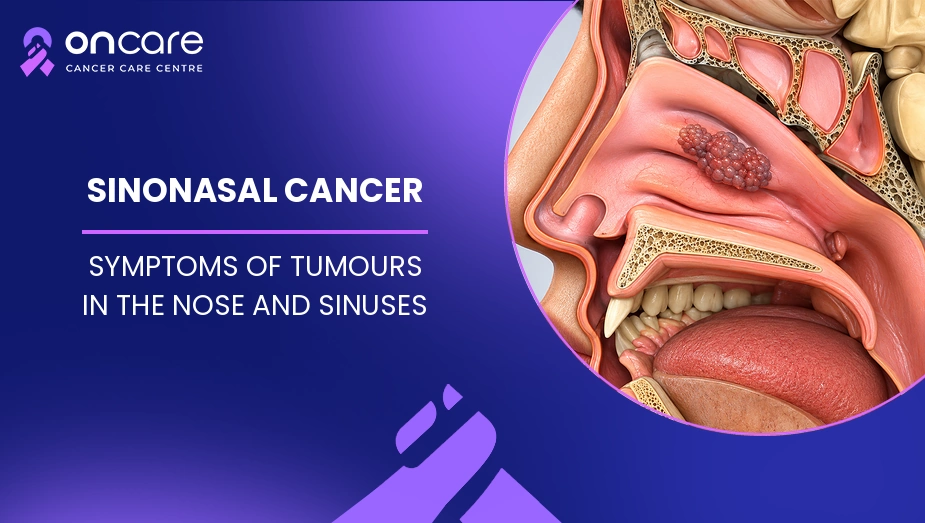
Sinonasal cancer is a rare type of head and neck cancer that starts in the nasal cavity or the paranasal sinuses around the nose. Common symptoms can include a blocked or stuffy nose that does not improve, repeated nosebleeds, facial pain or swelling, reduced sense of smell, and problems around the eyes. These symptoms can also happen because of infections or other common conditions, but symptoms that continue or worsen should be checked by a doctor.
Because the nose and sinuses are connected to several important areas of the face, symptoms can sometimes be easy to confuse with sinus infections, allergies, or other nose problems. This can delay diagnosis.
In this blog, we will explain what sinonasal cancer is, its warning signs, possible risk factors, how doctors diagnose it, available treatment options, and when you should seek medical advice.
What Is Sinonasal Cancer?
Sinonasal cancer refers to cancer that develops in the nasal cavity or paranasal sinuses. The nasal cavity is the space inside the nose, while the paranasal sinuses are air-filled spaces around the nose, including the areas near the cheeks, eyes, and forehead.
These cancers are part of the wider group of head and neck cancers. The most common type is squamous cell carcinoma, but other types can also develop in these areas.
What Are the Symptoms of Sinonasal Cancer?
Sinonasal cancer may not cause clear symptoms in its early stages. As the tumour grows, symptoms can become more noticeable. Many symptoms may affect only one side of the nose or face.
Common symptoms include:
- A blocked or stuffy nose that does not get better
- Repeated or unexplained nosebleeds
- A runny nose or unusual discharge from the nose
- Reduced or changed sense of smell
- Pain or pressure around the nose, cheeks, eyes, or forehead
- Facial numbness or pain
- A lump inside the nose or on the face
- Loose or numb teeth without an obvious reason
- Watery eyes or changes in vision
- Ear pressure, pain, or hearing changes
- Headaches that continue or worsen
Having these symptoms does not mean that you have cancer. Sinus infections, allergies, nasal polyps, and other conditions can cause similar problems. However, symptoms that do not improve after a few weeks should be medically evaluated.
For another related condition, read our simple blog on nasopharyngeal cancer.
Why Should Persistent Nose Symptoms Not Be Ignored?
Most nose and sinus problems are not caused by cancer. A common cold, allergy, sinus infection, or nasal polyp can cause congestion, discharge, headache, or facial pressure.
The concern is when a symptom is persistent, unusual, happens mainly on one side, or keeps getting worse. Repeated nosebleeds without a clear reason, a lump inside the nose, facial numbness, or changes around one eye deserve medical attention.
What Causes Sinonasal Cancer?
There is no single cause of sinonasal cancer. Several factors may increase the risk of developing it. Some people develop the disease without having any known risk factor.
Possible risk factors include:
- Long-term exposure to certain workplace dust and chemicals
- Wood dust exposure from woodworking or sawmill work
- Exposure to dust in furniture-making or flour-mill work
- Certain metal-plating and shoemaking exposures
- Smoking and tobacco exposure
- Human papillomavirus (HPV) infection
- Being older, particularly in men
Workplace exposure is an important risk factor because some sinonasal cancers have been linked with long-term exposure to certain dusts and chemicals.
Smoking is also linked with cancers of the nose and sinuses. If you use tobacco, quitting can help reduce your risk of several cancers. You can read more about the different types of cancer that can develop in the body.
How Is Sinonasal Cancer Diagnosed?
There is no single test that can diagnose every cancer. Doctors usually begin with your medical history and a physical examination. If the symptoms suggest a problem inside the nose or sinuses, further tests may be needed.
Doctors may use:
Nasal Examination and Endoscopy
A doctor may use a thin camera called an endoscope to look inside the nose and check for unusual tissue, swelling, or a growth.
Imaging Tests
CT or MRI scans can provide detailed pictures of the nose, sinuses, bones, and nearby tissues. These scans can help doctors understand the size and location of a tumour and whether it has affected nearby structures.
Biopsy
If an abnormal area is found, a biopsy may be performed. During a biopsy, a small tissue sample is removed and examined under a microscope. A biopsy is often needed to confirm whether cancer cells are present.
If you want to understand this important test better, read our guide on how a biopsy helps diagnose cancer.
Sinonasal Cancer Symptoms at a Glance
The table below lists the common symptoms of sinonasal cancer and what each one may feel like.
Symptom | What it may feel like |
|---|---|
Persistent blocked nose | Difficulty breathing through one side of the nose |
Nosebleeds | Repeated bleeding without a clear cause |
Facial pain | Pain or pressure around the cheeks, nose, or eyes |
Reduced smell | Difficulty smelling normally |
Facial numbness | Loss of feeling or tingling in part of the face |
Eye changes | Watery eye, swelling, bulging, or vision changes |
Tooth problems | Loose or numb teeth without a clear dental cause |
Lump | A growth inside the nose, face, or roof of the mouth |
These symptoms can have many causes and do not automatically indicate cancer. A medical examination is needed to determine the actual cause.
How Is Sinonasal Cancer Treated?
Treatment depends on the type, location, size, and stage of the tumour, as well as the person’s overall health. Doctors may use one treatment or a combination of treatments.
Treatment may include:
Surgery
Surgery may be used to remove the tumour and some surrounding tissue. The exact operation depends on where the cancer is located and how far it has grown.
Radiation Therapy
Radiation therapy uses high-energy radiation to destroy cancer cells or stop them from growing. It may be given after surgery or used as another main treatment in selected cases.
Chemotherapy
Chemotherapy uses medicines to kill cancer cells or slow their growth. It may be used with radiation, before surgery, after surgery, or for advanced disease depending on the situation.
Some patients may also be considered for newer treatments or clinical trials depending on the cancer type and stage.
Why Early Diagnosis Matters
Sinonasal cancers can sometimes grow into nearby structures before they cause clear symptoms. The nose and sinuses are close to the eyes, facial bones, teeth, and parts of the skull. This is one reason persistent symptoms should not be ignored.
Early evaluation does not mean every persistent nasal symptom is cancer. It simply helps doctors find the actual cause sooner and start the right treatment when necessary.
Follow-Up After Treatment
Follow-up care is an important part of sinonasal cancer treatment. Your doctor may use examinations, nasal endoscopy, and imaging tests when needed to check the treated area and look for signs that the cancer has returned.
Some patients may also need support for breathing, nutrition, speech, swallowing, or changes in appearance after treatment. A team approach can help manage these needs.
If you want to read more about paranasal sinus and nasal cavity cancer treatment, you can visit the National Cancer Institute.
Consult Today
Sinonasal cancer is rare, and its symptoms can look similar to common nose and sinus problems. Persistent nose blockage, repeated nosebleeds, facial pain or numbness, a lump, or changes around the eyes should not be ignored when they continue or become worse.
At Oncare Cancer Hospital, our cancer specialists can evaluate persistent symptoms, review imaging and biopsy reports, and help develop a treatment plan based on the type and stage of cancer. Our head and neck cancer care includes diagnosis, treatment planning, surgery, radiation therapy, medicines, and supportive care when required.
Disclaimer
This information is for educational purposes only and does not constitute medical advice, diagnosis, or treatment. Always discuss decisions about nasal or sinus symptoms, tests, and cancer treatment with a certified cancer healthcare provider.





Frequently Asked Questions
No, cancer of the nasal cavity and paranasal sinuses is relatively rare compared with many other cancers.
A persistent blocked nose or nasal congestion and nosebleeds are among the common symptoms. Other symptoms can include facial pain, reduced smell, and eye changes.
Usually, sinus symptoms are caused by common conditions such as infections or allergies. However, symptoms that persist, worsen, or are unusual should be checked by a doctor.
Doctors may use a nasal examination, endoscopy, CT or MRI scans, and a biopsy. A biopsy is generally needed to confirm cancer cells.
Written and Verified by:
Dr. Gajendra Kumar Himanshu Exp: 10 Yr
Medical Officer
Book an Appointment
Related Blogs

Cancer Rehabilitation: Physiotherapy and Regaining Strength After Treatment
Learn how cancer rehabilitation and physiotherapy can improve strength, reduce fatigue, and support daily activities during or after treatment at Oncare Cancer Hospital.

Obesity and Cancer Risk: What Research Shows and How to Reduce It
Learn how obesity may increase cancer risk, which cancers are linked to excess weight, and the role of weight loss and healthy habits at Oncare Cancer Hospital.
Paraneoplastic Syndromes: When Cancer Causes Unusual Symptoms
Learn about paraneoplastic syndromes, their symptoms, types, cancer links, diagnosis, and treatment, with expert guidance from Oncare Cancer Hospital.