Table of Contents
Living With a Stoma After Cancer Surgery: Daily Care and Confidence

By Dr. Gajendra Kumar Himanshu


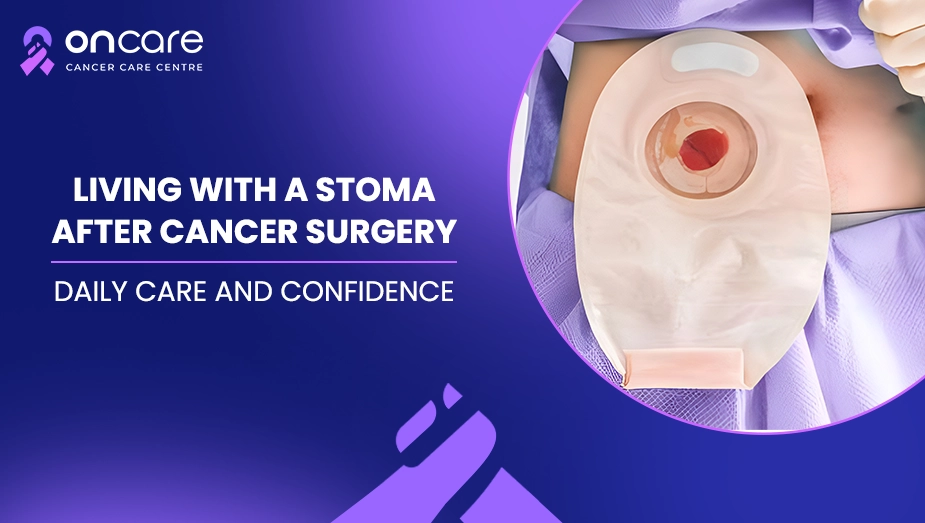
A stoma is a surgically made opening in the abdomen that lets waste leave the body when part of the digestive or urinary system has been compromised by cancer or its treatment. The stoma may be transient for some people and permanent for others. It can be daunting to get used to living with a stoma at first, but many people slowly become more confident and return to their normal day-to-day activities, work, travel, exercise, and social life.
Knowing how to care for a stoma, knowing the common challenges, and knowing where to get help can make the process easier. The optimal course of action is based on the individual’s risk, family history, genetic test findings, overall health and the physician’s recommendation.
In this blog, we’ll look at what having a stoma might be like, how to cope with day-to-day care, practical tips for living, emotional adjustment and how to build up confidence after cancer surgery.
What is a Stoma?
A stoma is an opening formed following surgery to allow waste to exit the body through the abdomen. Depending on the type of surgery, a stoma may be made in the:
- Large intestine (colostomy)
- Small intestine (ileostomy)
- Urinary system (urostomy)
A stoma is commonly a part of the treatment for certain malignancies of the digestive or urinary tract. A lot of people consider it crucial for their recovery and general wellness.
First Several Weeks After Surgery
The first few weeks after surgery are often a time of learning. Many people might experience:
- Physical recovery after surgery
- Changing stoma appliances
- Getting used to a new routine
- Smell or leaking problems
- An emotional roller coaster
These feelings are normal and are often better with time, practice, and support.
Daily Stoma Care Teaching
People get used to their routine, and daily care becomes easier.
Caring for Your Skin
Healthy skin around the stoma is very important. Helpful practices could include:
- Cleanse the skin gently
- Take care to dry the area
- Change appliances as directed
- Watch for redness or itching
- Follow the advice of the stoma care team
Good skin care can make you feel better and also help prevent problems.
Handling Stoma Appliances
Stoma appliances are designed to safely and discreetly collect waste. A lot of people learn to:
- Empty the pouch frequently
- Replace appliances when needed
- Check for correct fit
- Take extra supplies when away from home
With expertise, these chores become a routine part of the day.
The Practical Daily Care Guide
Daily Routines | Tip to Help |
|---|---|
Your skin | Keep the area dry and clean |
Appliance modifications | Follow your health care team's instructions |
Travel | Carry extra stoma supplies |
Physical activity | Gradually increase activity |
Aftercare | Go to planned appointments |
Eating and Drinking After Surgery for a Stoma
Diet recommendations may differ according to the kind of stoma and individual health needs. For some people, it might be helpful to:
- Eat regular meals
- Drink plenty of water
- Gradually introduce new foods
- Chew your food well
- Get individualised dietary advice
Everyone's experience is different. Nutrition plans should always be led by healthcare specialists.
Back to Daily Activities
Many people are fearful that a stoma will prevent them from living a regular life. In fact, many people go back to:
- Work
- Walks
- Travel
- Social activities
- Light exercise
- Family activities
Gradually, exercise levels should be increased, according to medical guidance.
Rebuilding Confidence Post-Surgery
Confidence is usually a product of experience and time. How some people could feel at first:
- Self-consciousness
- Hesitant to get out of the house
- Appearance anxiety
- Worried about dealing with the stoma in public
Most people feel more confident as they become more experienced with their stoma and understand what works best for them.
When to Contact Your Health Care Team
Most people adapt well, but some changes should be discussed with your healthcare physician. If you see:
- Chronic skin irritation
- Significant redness
- Unusual bleeding
- Changes in stoma appearance
- Appliance fitting problems
- Persistent discomfort
Early communication can help resolve difficulties before they become larger problems.
Recovery Is Emotional Too
Cancer surgery recovery is more than a physical recovery. Some people might have:
- Anger
- Angst
- Fear of the future
- Body image concerns
Support may be provided by:
- Relatives
- Companions
- Support groups
- Counsellors
- Medical professionals
Talking about worries can frequently make people feel less alone.
Obtaining Additional Information from Trustworthy Sources
Accurate information enables patients and their families to better comprehend life following a cancer operation.
For evidence-based information about cancer treatment, recovery, and survivorship, patients and caregivers should visit the National Cancer Institute, which offers reliable educational materials.
Looking Ahead With Confidence
Many people enjoy full and active lives with a stoma. It can take time to adjust, but with practice, everyday maintenance frequently gets easier and more routine. Learning practical skills, remaining connected with health care providers, and accepting help from loved ones can help people move forward with more confidence.
The decisions concerning treatment, recuperation, and long-term care should always be based on individual risk factors, family history, genetic testing findings, overall health, and the recommendations of the doctor.
Consult Today
Living with a stoma after cancer surgery entails adopting new routines, adjusting to bodily changes, and gaining confidence over time. The adjustment can be hard at first, but many people go on to be productive at work, travel, socialise, and live a normal life. Good stoma care, healthy behaviours, regular follow-up consultations, and emotional support can help make for a smoother recovery.
Decisions about treatment and recovery should be made based on individual risk, family history, findings of genetic testing, overall health, and advice from the healthcare team. Oncare Cancer Hospital is a trusted name for expert guidance, comprehensive cancer care, and compassionate support throughout the diagnosis, treatment, recovery, and survivorship.





Frequently Asked Questions
A stoma is a surgically produced opening in the belly that permits waste to leave the body following certain surgeries.
Yes. Many people go back to work, travel, exercise, and do daily activities after surgery.
Keep the area clean and dry. Follow your health care team’s advice.
Seek medical assistance if you detect continued redness, irritation, bleeding, pain, or any change in the appearance of the stoma.
Written and Verified by:
Dr. Gajendra Kumar Himanshu Exp: 10 Yr
Medical Officer
Book an Appointment
Related Blogs
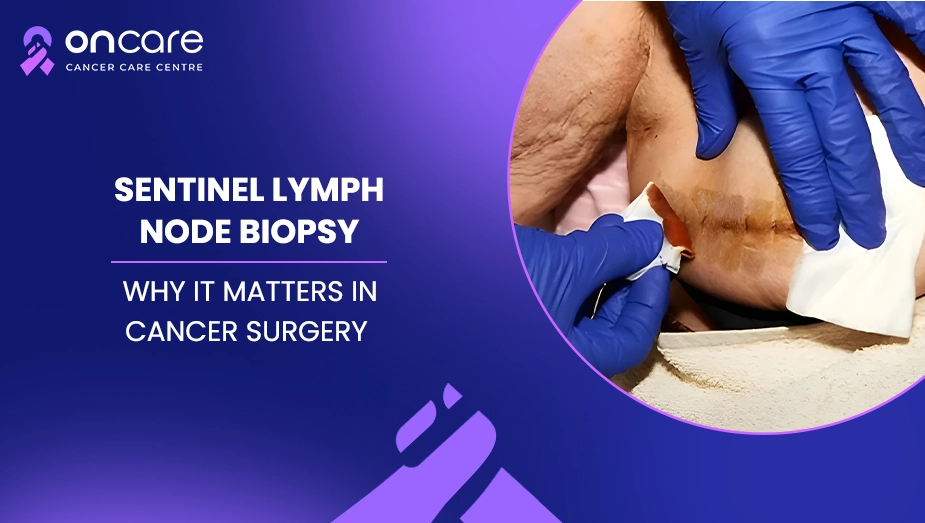
Sentinel Lymph Node Biopsy: Why It Matters in Cancer Surgery
Learn what a sentinel lymph node biopsy is, why it is performed, what results mean, and how it guides cancer treatment at Oncare Cancer Hospital.
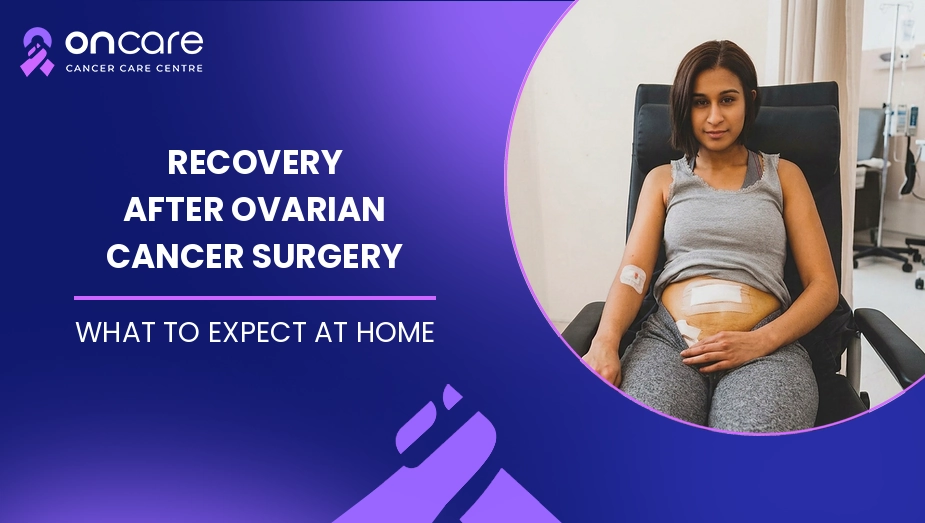
Recovery After Ovarian Cancer Surgery: What to Expect at Home
Learn what to expect after ovarian cancer surgery, including recovery tips, symptom management, nutrition, and follow-up care at Oncare Cancer Hospital.
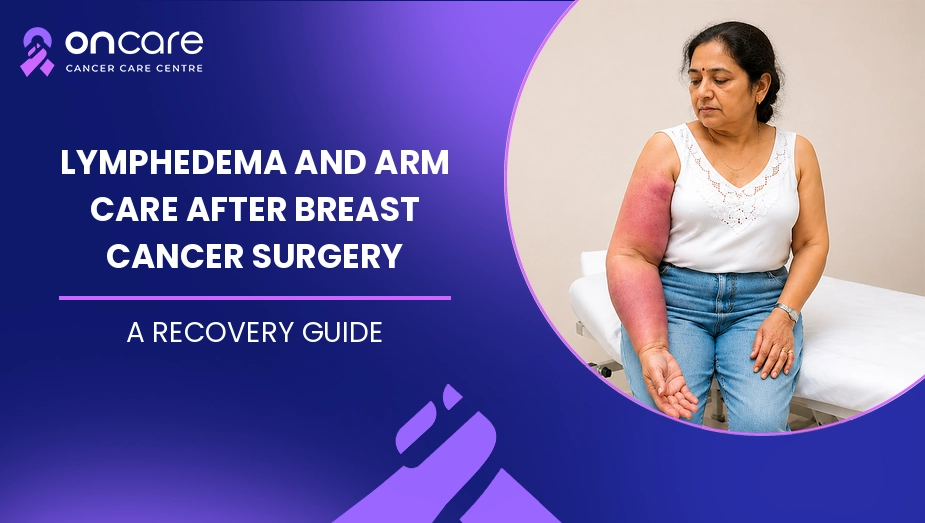
Lymphedema and Arm Care After Breast Cancer Surgery: A Recovery Guide
Learn how to manage lymphedema after breast cancer surgery with arm care tips, symptom awareness, recovery guidance, and support from Oncare Cancer Hospital.
Cancer Surgery in India: Picking a Surgeon
Learn how to choose the right cancer surgeon in India with expert tips on treatment, recovery, hospital care, and guidance from Oncare Cancer Hospital.