Table of Contents
Anaemia During Cancer Treatment: Causes, Tests and Management

By Dr. Gajendra Kumar Himanshu


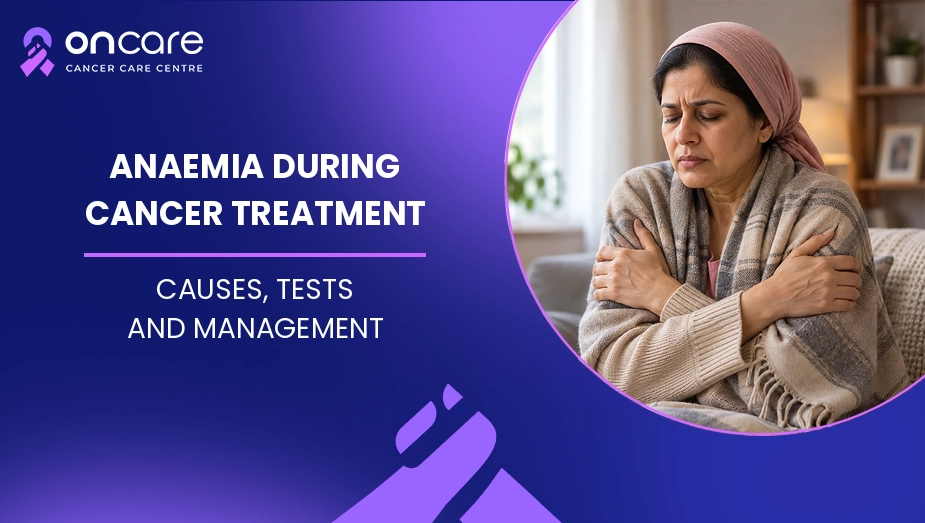
Anaemia during cancer treatment is a condition in which the body has fewer healthy red blood cells or less haemoglobin than normal. It can happen because of cancer itself, chemotherapy, radiation therapy, blood loss, poor nutrition, or problems affecting the bone marrow. Anaemia can make a person feel very tired, weak, dizzy, or short of breath. The good news is that cancer-related anaemia can often be managed once its cause is identified.
Anaemia is common during cancer treatment, but it should not simply be ignored as a normal part of treatment. Doctors may use blood tests to find the cause and decide whether dietary changes, iron or vitamin treatment, medicines, or a blood transfusion may be needed.
In this blog, we will explain the common causes, symptoms, tests, and simple ways to manage anaemia during cancer treatment.
What Is Anaemia During Cancer Treatment?
Anaemia means that the blood does not have enough healthy red blood cells to carry oxygen around the body. Haemoglobin, a protein inside red blood cells, carries oxygen from the lungs to different parts of the body.
When haemoglobin becomes low, the body may not get enough oxygen. This can lead to tiredness, weakness and breathlessness. Anaemia can be caused by cancer itself or by treatments such as chemotherapy and radiation therapy.
Patients can also experience several other treatment-related problems. You can learn more about common cancer treatment side effects and how to manage them during treatment.
What Causes Anaemia in Cancer Patients?
There is no single cause of anaemia in people with cancer. The cause can differ for each patient.
Cancer Itself
Some cancers can affect the bone marrow, where blood cells are made. Cancer can also cause inflammation in the body, which may affect the production and use of red blood cells.
Chemotherapy and Radiation Therapy
Some chemotherapy medicines can reduce the bone marrow's ability to make new blood cells. Radiation therapy can also contribute to anaemia, particularly when large areas of bone marrow are exposed to treatment.
Blood Loss and Poor Nutrition
Some cancers can cause bleeding, while surgery or other medical procedures may also lead to blood loss. Low levels of iron, vitamin B12, or folate can also contribute to certain types of anaemia.
It is important not to assume that every case of low haemoglobin is caused by iron deficiency. Doctors first need to find the actual reason before choosing treatment.
What Are the Symptoms of Anaemia?
Mild anaemia may cause few symptoms. As the haemoglobin level falls, symptoms can become more noticeable.
Common symptoms include:
- Feeling tired or weak
- Shortness of breath, especially during activity
- Dizziness or lightheadedness
- Headache
- Pale skin
- Fast or noticeable heartbeat
These symptoms can also happen because of cancer, chemotherapy, or other health problems. Therefore, patients should tell their cancer care team about new or worsening symptoms.
For more information about managing treatment-related tiredness, you can also read this simple guide on chemotherapy side effects.
Which Tests Are Used to Check Anaemia?
Doctors usually begin with a complete blood count (CBC). This blood test measures haemoglobin, red blood cells and other blood cells. Doctors may also look at the size and other features of red blood cells to understand what type of anaemia may be present. Depending on the patient's condition, additional tests may be needed to find the cause.
Test | What it helps doctors check |
|---|---|
Complete blood count (CBC) | Haemoglobin and red blood cell levels |
Red blood cell indices | Size and features of red blood cells |
Iron tests | Whether iron deficiency may be present |
Vitamin B12 and folate tests | Whether vitamin deficiency may be contributing |
Other blood tests | Possible causes of anaemia or related problems |
Your doctor may repeat blood tests during treatment to see whether haemoglobin is improving or falling further.
How Is Anaemia Managed During Cancer Treatment?
Treatment depends on why the anaemia is happening, how low the haemoglobin is, your symptoms and the type of cancer treatment you are receiving.
If iron, vitamin B12 or folate deficiency is found, the doctor may recommend supplements or other treatment. Iron should not be taken without medical advice because not every type of anaemia is caused by low iron.
If anaemia is causing significant symptoms or the haemoglobin is very low, a red blood cell transfusion may be considered. A transfusion can increase red blood cell levels quickly and may help improve symptoms.
In selected patients receiving chemotherapy for cancer that is not being treated with curative intent, doctors may consider medicines called erythropoiesis-stimulating agents (ESAs). These medicines help the body make more red blood cells, but they are not suitable for everyone and have potential risks.
Can Diet Help With Anaemia?
Good nutrition can support the body during cancer treatment, especially when a patient has a nutritional deficiency. Foods containing iron, protein, vitamin B12 and folate can be part of a balanced diet.
However, food alone may not correct significant anaemia. If blood tests show a deficiency, your doctor or dietitian can recommend the right treatment.
During chemotherapy, eating well can sometimes be difficult because of nausea, poor appetite, or taste changes. Our blog on chemotherapy for cancer patients explains more about managing treatment and supporting the body during this time.
Simple Ways to Manage Anaemia-Related Tiredness
If anaemia is making you tired, small changes may make daily activities easier. The National Cancer Institute recommends balancing rest with some activity rather than staying in bed all day, as too much inactivity can make weakness worse. Eating and drinking well can also help support energy levels.
Patients can also:
- Plan important activities for the time of day when they have more energy.
- Ask family members for help with cooking, shopping or household work.
- Take short rests when needed.
- Follow the treatment and blood-test schedule advised by the cancer team.
- Tell the doctor if tiredness, breathlessness or dizziness becomes worse.
When Should You Contact Your Doctor?
Do not wait until anaemia becomes severe before discussing symptoms with your cancer team. Tell your doctor if you develop unusual tiredness, increasing weakness, breathlessness, dizziness or a fast heartbeat.
Severe symptoms, fainting, chest pain, significant breathing difficulty or signs of bleeding need prompt medical attention.
Because cancer and its treatment can have several possible causes for fatigue, proper testing is important rather than assuming that low energy is simply part of chemotherapy.
Consult Today
Anaemia during cancer treatment can make an already difficult treatment period feel even harder. But finding the cause early can help doctors choose the right way to manage it. Blood tests, nutrition support, medicines or transfusion may be considered depending on the patient's condition.
At Oncare Cancer Hospital, patients can discuss treatment-related anaemia, low haemoglobin and other cancer treatment side effects with their cancer care team. If you are undergoing cancer treatment and have persistent tiredness, weakness or breathlessness, speak with your doctor rather than trying to treat the problem on your own.
Disclaimer
This information is for educational purposes only and does not constitute medical advice, diagnosis, or treatment. The cause and management of anaemia differ for each patient and require individual evaluation. Always discuss blood tests, supplements, transfusions, or other treatment decisions with a certified cancer healthcare provider.





Frequently Asked Questions
Yes, cancer itself and treatments such as chemotherapy and radiation therapy can contribute to anaemia.
The definition depends on factors such as age, sex and the clinical setting. Your doctor will interpret your haemoglobin result along with your symptoms and other blood tests.
Only when iron deficiency is a cause or contributing factor. Iron should be taken after your doctor confirms that you need it.
Yes, depending on its cause and severity, treatment may include nutritional support, iron or vitamin replacement, a blood transfusion, or selected medicines.
Written and Verified by:
Dr. Gajendra Kumar Himanshu Exp: 10 Yr
Medical Officer
Book an Appointment
Related Blogs
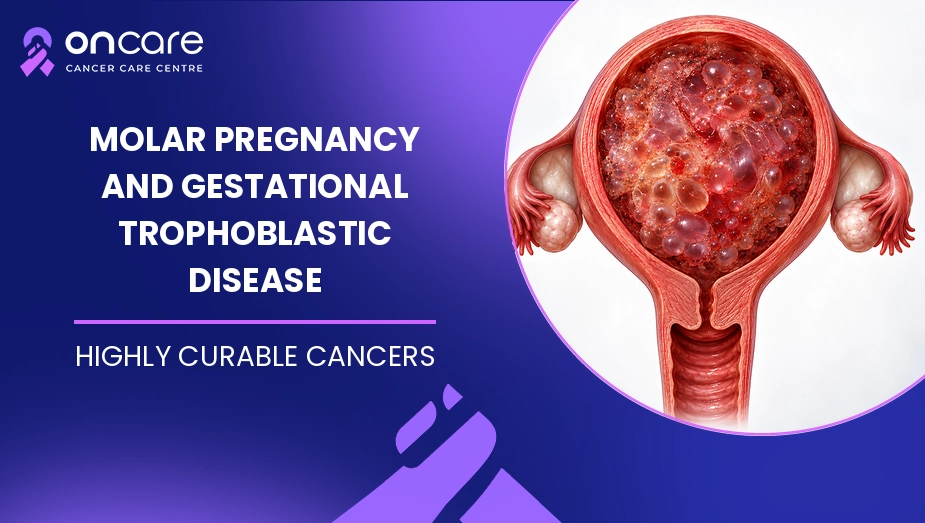
Molar Pregnancy and Gestational Trophoblastic Disease: Highly Curable Cancers
Learn about molar pregnancy, its symptoms, types, diagnosis, treatment, hCG follow-up, and risk of gestational trophoblastic cancer at Oncare Cancer Hospital.

TURBT: The First Surgery Most Bladder Cancer Patients Undergo
Learn how TURBT removes bladder tumours, what to expect during recovery, possible side effects, and treatment after surgery at Oncare Cancer Hospital.
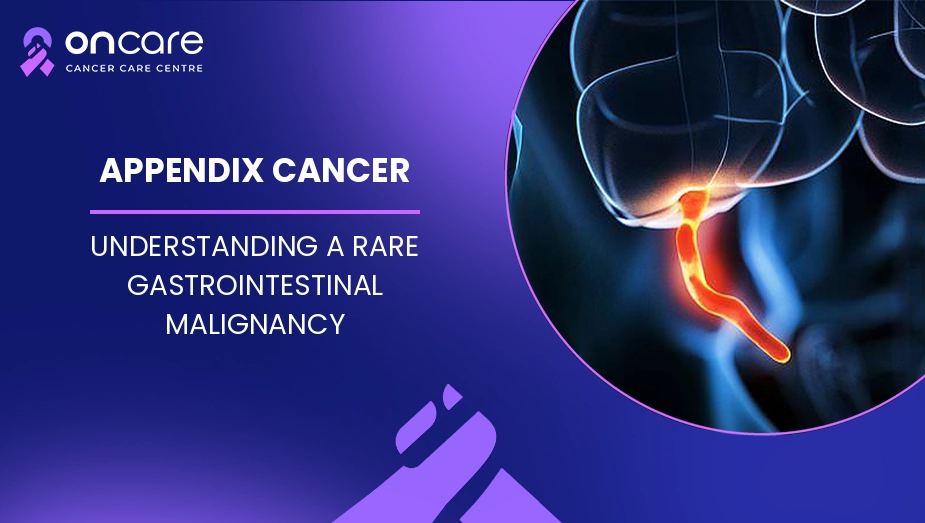
Appendix Cancer: Understanding a Rare Gastrointestinal Malignancy
Learn about appendix cancer, including its symptoms, types, diagnosis, treatment options, HIPEC, and recovery. Get clear guidance from Oncare Cancer Hospital.