Table of Contents
Breast Cancer Recovery Time: How Long Does It Take to Heal?

By Dr. Gajendra Kumar Himanshu


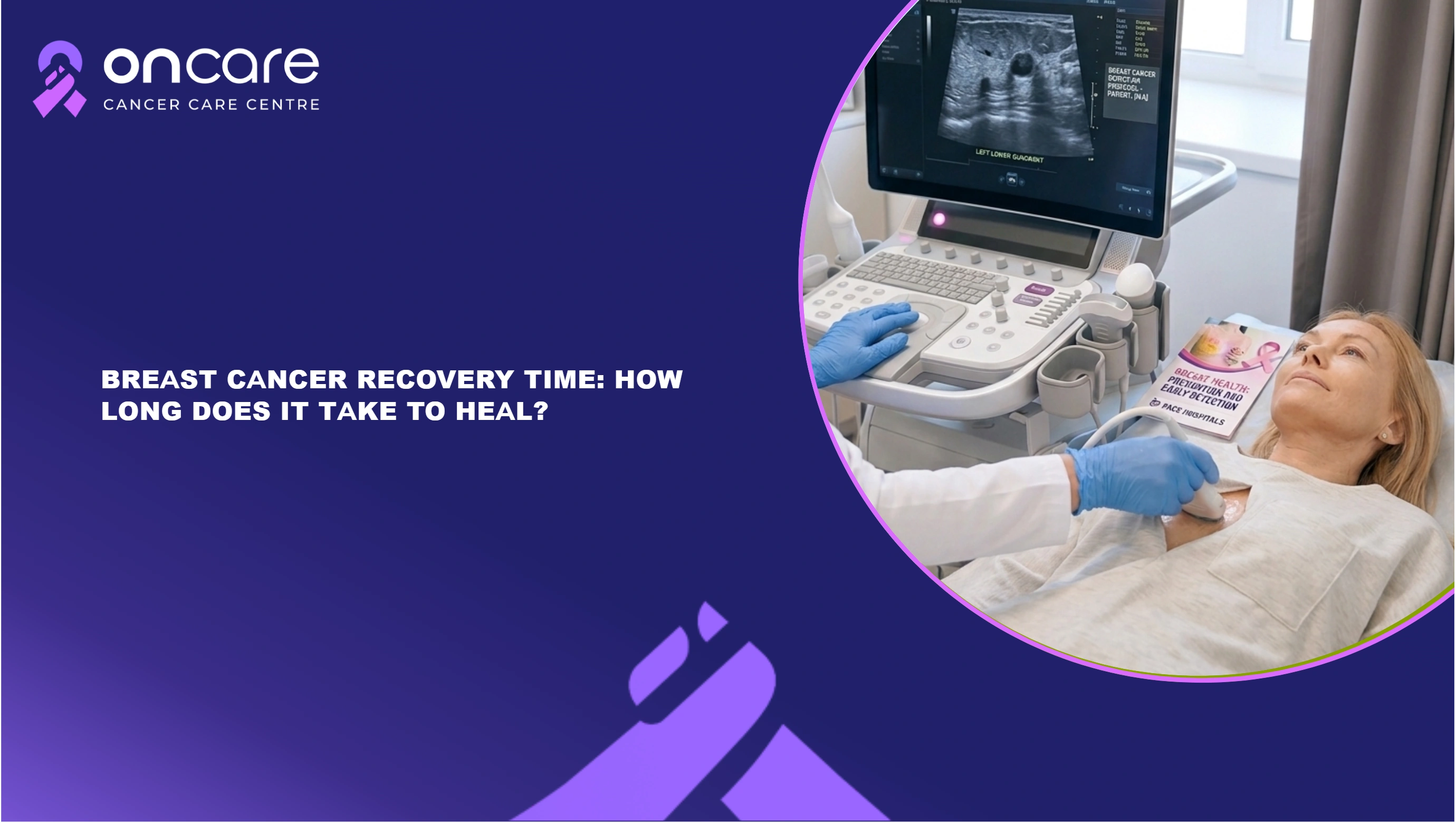
It can be hard to hear the words "breast cancer." Following treatment, the worry doesn't go away for many people. They still have questions about recovering, getting back to normal, and life following surgery or therapy. One of the most common questions patients have is about breast cancer recovery time. How long will it be until you feel like yourself again? The truth is that everyone's rehabilitation is different, depending on the treatment they get, their overall health, and the support they have. Knowing how things work might help you get ready for the trip ahead, both physically and mentally.
What Makes Breast Cancer Recovery Time Longer?
Not everyone takes the same amount of time to get better from breast cancer. There are a number of things that affect breast cancer recovery time after treatment. The kind of surgery, whether or not radiation or chemotherapy is used, your age, health, and lifestyle all matter.
For example, those who have a lumpectomy usually heal faster than people who get a mastectomy. Adding chemotherapy or radiation can also make breast cancer recovery time longer since the body requires time to deal with both the operation and the extra treatments.
Type of Surgery
The kind of surgery you have will affect how long it takes your body to heal. Patients who get a lumpectomy normally have less pain and swelling, and they may often go back to their normal activities within a few weeks. It may take weeks or even months for a mastectomy to fully heal, especially if you have reconstructive surgery.
During this period, it's crucial to do what your doctor says about taking care of your wounds, moving about, and working out. If you move too quickly, you could have problems, although mild motion usually helps the body heal faster.
Effects of Chemotherapy and Radiation
Chemotherapy and radiation therapy can also make it harder to get better. Chemotherapy can make you tired, sick, or have low blood levels, which can slow down breast cancer recovery time. Radiation can make the skin red and painful in the area that was treated.
Patients may feel fatigued or weak for weeks or months following treatment because of these symptoms. The body needs time to get stronger again, and the process of healing is slow rather than fast.
Getting Better Emotionally
Getting better physically is only part of the time it takes to recover from breast cancer. It's just as vital to heal emotionally, and it can take longer than the body to do so. It's normal to feel worried, sad, or scared about being sick again. Getting help from a counselor, a support group, or your family can help you feel better.
It's crucial to be patient with yourself and remember that healing takes time for both your mind and body.
Things to Do to Help Recovery
Taking care of your body as you heal will help shorten breast cancer recovery time. Eating healthy foods, being active within your limits, and getting enough sleep all play an important role.
Gentle exercises or physical therapy might help you get your strength and mobility back, especially after surgery. Even brief walks or light stretching can help blood flow, ease stiffness, and make you feel better.
Food and Drink
A healthy diet helps you get better faster. Fruits and vegetables are full of vitamins and antioxidants that your body needs to stay healthy. Protein helps fix tissues. Drinking enough water also helps your body perform properly and helps you get better.
Not smoking or drinking while you recover will assist your health in the long run and minimize the chance of problems, which will make your recovery from breast cancer go more smoothly.
Getting back to your normal life slowly
It's normal to feel apprehensive about going back to your daily life. Take it easy at first and pay attention to how your body feels. You might need to carefully start doing things like driving, working, or working out again. As time goes on, your strength and vitality get better, which makes it easier to do things every day.
After the Event, Care
During recovery from breast cancer, you will need to go to regular checks and follow-up visits. Your doctor checks on your healing, searches for complications, and makes sure the cancer doesn't come back. Asking questions about any symptoms that are still hurting you after these appointments will help you feel better about your recovery.
How Long Does It Usually Take to Become Better?
The body normally needs a few weeks to a few months to mend after surgery, depending on the kind of treatment. It can take longer for your emotions to heal, and it may be months before you feel entirely safe and normal again.
Chemotherapy and radiation can make it take longer for breast cancer to go away, and everyone's experience is different. Some people might feel like themselves again in a few months, but others might need six months or more. Being patient and making small steps forward is the most essential thing. Enjoy the little victories along the way.
Returning to Work
A lot of people want to know when they can go back to work. A few weeks after surgery, some patients may be able to go back to light or desk work. It may take a few months for jobs that need more physical work. Talking to your doctor about how much work you can accomplish and how much energy you have will help you create realistic goals.
Getting Back to the Gym
Exercise is important, but how hard and when you do it depend on how well you're recuperating. You can normally start doing light activities a few weeks following surgery, but it may take longer to get back to more intense workouts. Physical therapists can make safe routines that help people get stronger and move more easily.
Health in the Long Run
Living a healthy life can lower the risk of being sick again and make you feel better overall, even after you've recovered. Long-term practices that assist keep you healthy after the first recovery phase include regular checkups, eating well, and remaining active.
Consult Today
Breast cancer recovery time differs for each person. It depends on the type of surgery, therapies like chemotherapy or radiation, overall health, and emotional well-being. Physical recovery may take weeks to months, while emotional healing can take even longer. Patience, support, and self-care are essential during this process.
Oncare Cancer Hospital offers breast cancer patients exceptional care and support throughout their recovery. With experienced doctors, personalized treatment plans, and advanced therapies, choosing the right medical team can greatly influence how quickly you heal, your confidence, and your long-term health.





Frequently Asked Questions
Depending on health and treatment type, breast cancer recovery time can range from a few weeks after a lumpectomy to several months after a mastectomy.
Yes, chemotherapy and radiation can cause fatigue, nausea, and skin changes, which may extend breast cancer recovery time.
Light work may be possible within a few weeks, but physically demanding tasks and vigorous exercise may take months. Doctors provide guidance based on recovery progress.
Eating healthy foods, staying hydrated, moving gently, getting enough rest, and attending follow-up appointments all help improve breast cancer recovery time.
Written and Verified by:
Dr. Gajendra Kumar Himanshu Exp: 10 Yr
Medical Officer
Book an Appointment
Related Blogs
What Are the Initial Symptoms of Breast Cancer? Early Detection Guide
Learn the initial symptoms of breast cancer, including lumps, breast shape changes, and nipple discharge. Get expert diagnosis and care at Oncare Cancer Hospital.
Stage 3 Breast Cancer: What to Expect at This Stage
Learn about stage 3 breast cancer, its symptoms, and treatment options like surgery, chemotherapy, and radiation. Get expert care at Oncare Cancer Hospital.
What Color is Breast Cancer Discharge?
Breast cancer discharge is often bloody, clear, pink, or rust-colored. Learn which nipple discharge colors are harmless warning signs, and when to see a doctor.
Is Breast Cancer Hereditary?
Breast cancer can run in families, but only a small percentage is inherited. Learn how family history, genetic testing, and early screening affect breast cancer risk.