
Not every cancer patient needs an air purifier. It can help if your home has dust, smoke or allergens, or if your doctor advises extra care while your white blood cell count is low. It does not prevent infections on its own. The effectiveness of an air purifier for cancer patients depends on the immune status of the individual and other factors such as the type of filtration system.
Chemotherapy causes a reduction in infection-fighting white blood cells. At this time, people tend to be more aware of their environment, especially of the air quality indoors. Airborne particulates such as dust, smoke, and pollen among others could impair air quality indoors.
However, buying an air purifier will not guarantee your home safety from infections. Air purifiers have certain advantages and disadvantages. Although some types of air purifiers can capture small aerosols, they do not ensure the disinfection of every surface, kill all pathogens or substitute any medical measures.
This guide explains when an air purifier helps during chemotherapy and when it does not.
What Is an Air Purifier and How Does It Work?
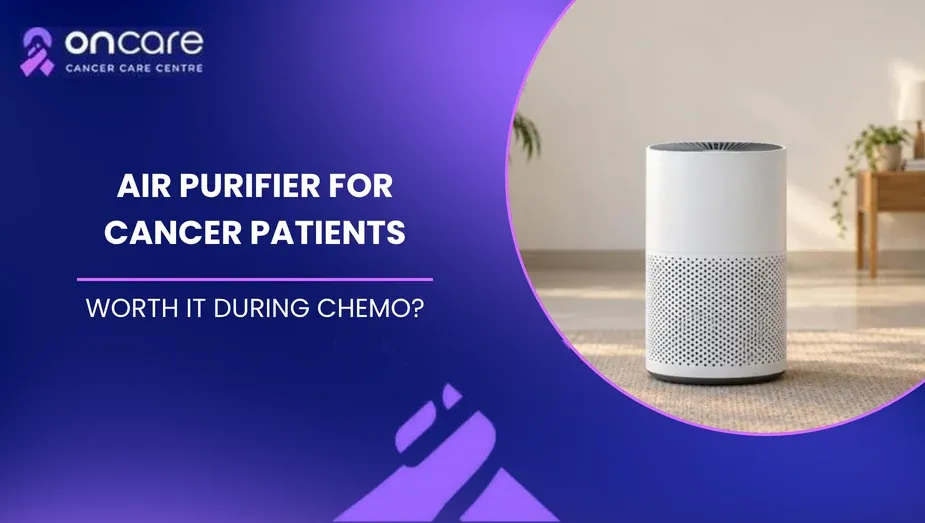
An air purifier is an electronic device that uses a filtration system to suck indoor air and discharge clean air into the surrounding environment. It is capable of removing various kinds of air contaminants depending on the filter used. Some of the types of pollutants in the indoor air include:
- Particles of dust and fine particulates that enter indoors through the doors and windows.
- Pollens and other seasonally allergenic contaminants.
- Particles of smoke caused by tobacco smoke, cooking and outdoor air pollution.
- Particles of pet dander and particles of fabrics in the house.
- Microorganisms and particles that carry them in the air.
A portable air cleaner at home usually cleanses the air in a specific room rather than the whole house. Its effectiveness is determined by the filter quality, airflow, and room dimensions and conditions.
As an illustration, a HEPA-based air cleaner will be able to trap many contaminants in the air that flow through the filter. An activated carbon filter could assist in lowering some gases and odours. Nonetheless, no technology makes the room totally sterile.
The above discussion is crucial for cancer patients because air quality is only one of the factors contributing to the appropriate living environment.
Why Can Cancer Patients Be More Sensitive to Indoor Air Contaminants?
The immune system defends the body from infectious organisms like bacteria, viruses, fungi, and others. Some types of cancer and their treatment methods may impair the functioning of this defense mechanism in certain patients.
How Can Chemotherapy Treatment Increase Sensitivity to Indoor Air Contaminants?
Cancer chemotherapies are specifically formulated to target rapidly dividing cancerous cells. They also have the capability of targeting normal cells, especially those that produce blood cells.
An increased risk of being affected by infections may result from a decreased number of white blood cells. One type of white blood cell that assists in protecting the body from infections from bacteria and fungi is the neutrophil.
Neutropenia refers to the condition that occurs when the neutrophil count is abnormally low. Its degree and period depend on the kind of cancer and the type of therapy used by the patient.
However, not all patients who undergo chemotherapy suffer from neutropenia. Others may have different side effects, such as low haemoglobin (anaemia).
How Can Indoor Air Quality Affect Cancer Patients?
Patients who are receiving treatment for cancer are likely to stay indoors during recovery from the fatigue, nausea or other adverse effects from the treatment. As a result, the state of their indoor environment becomes an issue worth considering.
However, bad ventilation, dust, smoking and dampness affect the air quality at home. Additionally, some smells and chemicals used for cleaning may be irritating for patients who are sensitive to them.
Avoiding unnecessary exposure to harmful factors of the indoor environment is important. However, patients with weakened immune systems must consider air cleaning at home and learn the importance of proper ventilation, cleaning, and air filtration in minimising dust, smoke, and other particles from being inhaled indoors.
When Can an Air Purifier Help Cancer Patients During Chemotherapy?
An air purifier can be considered useful if the equipment solves a specific indoor air problem. It can be regarded as an additional tool in some cases, but it is not necessarily required by all cancer patients.
In Case of High Amounts of Dust at Home
The source of dust can be an open window, shoes, clothes and other objects. Dust particles will be suspended in the air when there is movement and poor ventilation.
A correctly-sized HEPA air cleaner will remove most of these particles when indoor air passes through it. It may be helpful for people who live near highways, construction areas, places of dust pollution and so on.
It will not guarantee protection from all infections but will help to clean the air inside your house. It will be especially helpful for people who are irritated by dust particles.
If the Patient Has Been Exposed to Cigarette Smoke
Tobacco smoke contains fine particles and toxic gases which can adversely impact the respiratory system. Also, exposure to second-hand smoke can be detrimental for other members of the household.
The best option is to have a smoke-free environment. It is recommended not to smoke in the presence of the patient even when the air purifier works.
If the particulates get into the room through external sources, then an adequate filter can minimise the quantity of such particulates. Also, activated carbon filters have an ability to absorb certain gases and odours but it depends on the quantity of carbon.
When Indoor Air Quality Is Poor
Some dwellings suffer from indoor pollution due to insufficient ventilation, pollution through cooking, dust collection, or exposure to pollution outdoors.
The appropriate air filter can assist in removing certain particles present in the air of the space where the patient spends most of his time. However, the filtration process should be taken into account together with proper ventilation.
In case the quality of the outside air is good, it is recommended to allow fresh air to come inside. In the case of high pollution outdoors, it is advisable to take into account local air quality information.
When the Patient Has Allergies or Respiratory Sensitivity
Some cancer patients may be allergic or asthmatic prior to the initiation of treatment, while others may discover that dust, pollen, or pet dander makes their environment less than pleasant.
HEPA filtration is a technology that helps decrease the exposure to many airborne allergens when applied properly. This will make the room more comfortable for those sensitive to such particles.
But an air purifier cannot cure asthma, allergy, or any other respiratory disease. Those who suffer from wheezing and difficult breathing are recommended to contact their doctor.
When Additional Precautions Are Recommended by the Doctor
There are particular treatments for some cancers that lead to an immune system depression. Patients with neutropenia and those who will undergo a stem cell transplant are usually required to undertake further precautions regarding their environment.
Depending on the health condition of a particular individual, the oncology staff may suggest implementing other infection control practices. Air filtration could be one of them.
However, air filtration at home is not the same thing as the specialised protected environments offered by hospitals for selected patients. Such environments have particular air ventilation and filtration requirements that are impossible to achieve with any home device.
When Does an Air Purifier Not Make Much Difference?
There are some restrictions on air purification. It is important for patients and their caregivers to know about them to save money and not to have wrong expectations about the equipment.
When the Main Concern Is Surface Contamination
The air cleaner takes care of the air that goes through the filter system in it. It is not capable of disinfecting bedsheets, kitchen countertops, door knobs, restrooms, or other high traffic surfaces.
Bacteria can be transferred by contaminated hands and surfaces. It is impossible for the air cleaner to eliminate such hazards just by working in the same room.
Maintaining cleanliness of the house, proper food handling, and hand washing still play an important role. The caregivers need to follow the guidelines set by the doctors.
When There Is an Unresolved Mould or Dampness Problem
Wet walls, leakage through plumbing pipes and lack of ventilation in bathrooms might promote mould formation. Even though the spores of the mould could get into the air, installation of an air purifier would not solve the moisture issue.
The source of dampness should be established and resolved. Mould growth on a large scale might need professional evaluation and mould removal.
An air filtration system would collect some of the mould spores floating in the air but would not prevent the development of mould spores when their source is still present.
When the Patient Expects Complete Protection From Infections
A person using an air purifier will not be 100% protected against respiratory diseases since infection can happen through physical contact with an infected person or contaminated hands and objects.
The efficiency of an air purifier depends on its size, filter efficiency, air circulation capacity, and maintenance. In case the purifier is too small, it may fail to clean the air in the larger room.
Never lessen your preventive measures against infection because of the use of an air purifier.
When Indoor Air Quality Is Already Well Managed
Not all people suffer from indoor air pollution. In case the household environment is being cleaned on a regular basis, is free of smoke and is properly ventilated, buying an additional piece of equipment might not bring any substantial benefits.
This question should be settled according to one’s health needs and domestic environment and not because every patient under chemotherapy treatment needs to have an air purifier.
When the Device Produces Ozone
Some air cleaners use ozonator technology during operation. Ozone irritates the airways, and ionisers can also produce ozone. Therefore, these devices cannot be considered a safe means of cleaning indoor air.
Patients with lung problems should be very cautious about buying an air-purifying device since their condition can get worse due to ozone exposure. A person should buy a filtration system that does not emit any ozone.
Which Air Purifier Features Should Cancer Patients Look For?
When selecting an air purifier for cancer patients, it is important to consider the quality of filtration and the size of the room where it will be used.
HEPA Filter: A true HEPA filter should be able to trap 99.97% of airborne particles having a size of 0.3 microns in standardised testing conditions. It could help to minimise dust, pollen and other airborne particles.
Appropriate CADR for Room Size: The Clean Air Delivery Rate (CADR) determines the speed of filtering by an air purifier. You need to pick a purifier with an appropriate CADR for the room size where the patient rests.
Activated Carbon Filter: This type of filter could reduce certain odours and gaseous contaminants, such as VOCs. It all depends on the amount of high-quality carbon used.
Easy to Maintain: You should pick a purifier with easy-to-find replacement filters. Also, it is necessary to replace the filter regularly in order to retain its effectiveness.
Low Noise: A quiet purifier could be more convenient for a patient who spends a lot of time resting or sleeping.
The cancer patient and caregiver should also stay away from any air purifiers that create ozone because ozone is known to irritate the respiratory system. While an air purifier can help improve the quality of indoor air, it will not remove all pollutants or prevent infection.
Air Purifier vs Other Infection-Prevention Measures During Chemotherapy
An air purifier may assist with indoor air quality, but it is not meant to be the primary means of preventing infections. There are several precautions for cancer patients that one takes on a daily basis to prevent infection that air purification will not cover.
Daily Infection Precautions and What Each One Covers
The table below sets out the everyday precautions that matter during chemotherapy and what each one actually protects against.
Precautions | Why It Matters |
|---|---|
Regular handwashing | Reduces the transfer of germs through hands. |
Avoiding close contact with sick people | Limits exposure to individuals who may spread infections. |
Maintaining a smoke-free home | Removes an avoidable source of harmful airborne pollutants. |
Safe food preparation | Helps reduce the risk of foodborne infections. |
Cleaning frequently touched surfaces | Addresses contamination that air filtration cannot remove. |
Following medical advice | Ensures precautions match the patient's treatment and immune status. |
Using suitable air filtration | Helps reduce selected airborne particles in the room. |
The right combination will depend on the medical condition of the patient. For instance, a person suffering from very low neutrophil counts may require more precautions compared to a patient who is not on treatment that suppresses the immune system. In this regard, patients and their caregivers should consult the oncology team regarding what precautions are necessary.
Where Should You Place an Air Purifier at Home?
The location of the device could affect the ability of the portable air purifier to circulate and purify indoor air. It is important to place the device in the room where the patient spends most of his or her time, for example in the bedroom or in the living room. Here are several things to keep in mind while placing the device:
- Make sure that there are no curtains or any other obstruction present near the unit that could obstruct its airflow.
- It should be placed at a distance that is suggested by the manufacturer.
- Do not place it near a wall that is damp and has visible traces of mould.
- Get one that is compatible with the size of your room and not the whole house.
- Place it where air can move freely through the filter.
- Follow the manufacturer’s guidelines concerning the duration of operation and fan speeds.
The air purifier does not have to be placed next to the bed of the patient. It should be placed at such a point where air can circulate freely throughout the room. However, if the patient feels disturbed by the sounds or air flow, reposition or slow down the device as per the manufacturer’s guidelines.
Do All Cancer Patients Need an Air Purifier?
Not every cancer patient needs an air purifier. This will vary depending on many other aspects, including immune status, intensity of treatment, pollution status in the house, and respiratory sensitivities.
For example, a person who resides in a region with lots of dust pollution may stand to gain much more from installing an air purifier compared to another who resides in a region with clean air.
Financial issues should also be taken into account. First of all, before buying an expensive air-purifying device, it is possible to check whether there is any particular problem with air quality in the house and whether an adequate air purifier will help solve it.
In case the issue is the prevention of infections, it is possible to consult the doctor who treats the patient to check whether the portable filtration system is needed in this situation or not.
When Should Cancer Patients Ask Their Doctor About Indoor Air Quality?
In case you are told by your oncologist or treatment team that your white blood cell or neutrophil counts are low, it will be good to raise the question regarding the environment inside your house with them. This will be especially important if:
- There is a history of repeated respiratory infections.
- Your treatment has led to prolonged or serious neutropenia.
- Your home has visible mould, wetness or dust.
- You suffer from asthma or any other respiratory disease.
- You have plans to use a special air filtration system.
- You are preparing for stem cell transplantation.
The physician will be able to determine if more environmental precautions need to be taken and whether a portable air cleaner will be of any help.
Important: If you get a fever of 100.4°F (38°C) or higher during chemotherapy, call your care team right away. The fever may mean there is an infection that needs to be checked out right away. Do not wait to see if the air cleaner works.
Consult Today
During treatment, a clean home environment for cancer patients and good infection habits matter more than any single device. It is essential to know the precautions that need to be taken to make sure that unnecessary expenses are avoided.
At Oncare cancer hospital, patients and their families will find it possible to seek advice concerning cancer treatments, care and all other medical issues. Talk to an expert in the medical field to know more about your situation.
Disclaimer
This blog is provided for education purposes only and should not be used as a replacement for professional health care advice. The air purifier does not treat cancer or provide protection from infections. Individuals on chemotherapy, especially those with low white blood cells, must adhere to their doctor’s guidelines on how to prevent infections. Medical advice must be sought if there is a temperature of 100.4°F (38°C) or higher while on chemotherapy.
Frequently Asked Questions
Should chemotherapy patients use a HEPA air purifier?
It might be advisable for the patient if the HEPA air purifier is appropriately sized since it might reduce airborne particles within the room. However, it will depend on the immune state of the patient among others.
Will an air purifier prevent infections when taking chemotherapy?
Not necessarily. While it will help in reducing airborne particles, infection may take place via multiple methods. Therefore, other preventive measures must still be followed by the patient.
Does an air purifier work as an alternative to face masks in cancer therapy?
No. Air purification and masks are two different things. The patients are advised to listen to the advice of their healthcare providers regarding the wearing of masks.