Table of Contents
Caring for Cancer Patients at Home: A Complete Guide

By Dr. Gajendra Kumar Himanshu


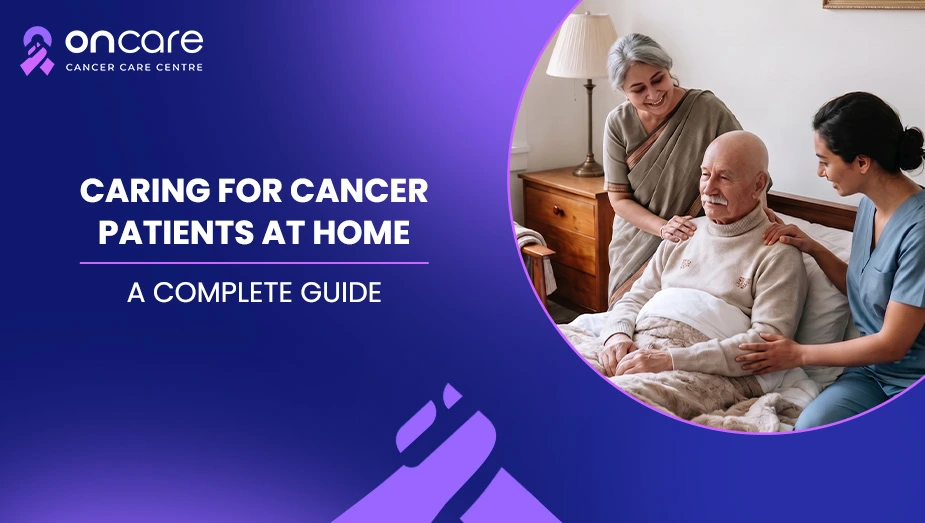
Taking care of a loved one with cancer at home is a very emotional and responsible job. There are times when it makes you feel close and caring, but there are other times when it might be too much. Caregivers typically have to do a lot of things at once, like giving emotional support and monitoring prescriptions.
You might be wondering, "How can I give the best care at home?" What should I do every day? How can I make my loved one feel safe and cared for?
Home care is particularly important for a patient's recovery and general health. You may make your loved one's home safe and supportive by using the correct methods, keeping things simple, and being emotionally aware.
This blog will show you how to take care of cancer patients at home in a practical way, including daily care advice, emotional support tactics, and crucial safety measures.
Knowing What a Cancer Patient Needs
Every person with cancer has different needs based on their health, the stage of their treatment, and their overall health. Knowing these needs helps you give more personalized treatment.
Needs for the body
- Getting the right food and water
- Managing medications
- Relax and rest
Needs for Emotion
- Comfort and company
- Talking to each other openly
- Staying emotionally stable
Making your home a safe and comfortable place to live
Being in a comfortable place can help you get better faster. Making small changes at home can make it safer and more comfortable.
Important Things to Think About
- Make sure the room is clean and has good airflow.
- Make sure that important things are easy to get to
- Keep your hygiene up to par
- Lower stress and noise
A daily care routine for people with cancer
A disciplined regimen helps both the patient and the caregiver stay on track.
Care in the Morning
- Help with grooming and cleanliness
- Give them a light, healthy breakfast.
- Give drugs as directed
Care during the day
- If you can, encourage light activity.
- Give them little meals often.
- Keep an eye on your symptoms and energy levels.
Care at Night
- Make sure you get enough sleep and rest.
- Keep important things close by.
- Keep things calm
Managing Nutrition and Diet
During cancer treatment, it's really important to eat well. You can get more solid advice on diet and care from trusted sources like the National Cancer Institute.
Advice on Eating Well
- Add fruits, vegetables, and proteins.
- Give small meals often
- Stay away from foods that are heavy, greasy, or spicy.
- Make sure the patient drinks enough water.
Foods You Should Eat
- Soups and dishes that are easy to chew
- Fresh juices
- Meals that are easy to digest
Taking care of medications and treatment
One of the most important things to do is keep track of your medicines. You should never modify your medicine without talking to a doctor.
Advice on how to handle medications
- Do exactly what the doctor says.
- Stick to a timetable for your medications
- If you need to, set reminders.
- Be on the lookout for negative effects.
How to Deal with Side Effects at Home
Several side effects might happen when you have cancer treatment.
Side Effects That Happen Often
- Feeling sick and throwing up
- Tiredness
- Ache
- Not wanting to eat
How to Take Care of
- Give comfort and rest
- Take the drugs that your doctor gives you
- Stay hydrated
- If your symptoms get worse, see a doctor.
Mental Health and Emotional Support
Taking care of your emotions is equally as important as taking care of your body. Being there sometimes can make a tremendous impact.
Ways to Help Emotionally
- Be patient and listen
- Give support
- Be realistic yet stay positive.
- Be respectful of their feelings.
Keeping clean and avoiding infections
People with cancer often have a reduced immune system. To get better, you need to avoid being sick.
Important hygiene practices
- Wash your hands a lot
- Keep your surroundings tidy.
- Stay away from venues with a lot of people.
- Keep your bedding and utensils clean.
The role of caregivers
Caregivers are very important in home care. Caregivers should also look after their own health.
Duties
- Taking care of people physically
- Giving emotional support
- Working with doctors
- Keeping an eye on health changes
Quick Guide to Home Care
What You Should Do | What Not to Do |
|---|---|
Food | Meals that are light and balanced |
Cleanliness | A clean place |
Drugs | Stick to the plan |
Action | Moving light |
Taking care of your emotions | Be there for someone and listen to them. Don't ignore their feelings. |
When to Get Medical Help
Some cases need medical help right away. In these instances, don't wait to get medical care.
Signs of Danger
- High fever
- A lot of pain
- Having trouble breathing
- Throwing up all the time
- Weakness that comes on suddenly
Finding a Balance Between Care and Self-Care
Caregivers often neglect to take care of themselves. Caregivers who are healthy deliver superior care.
Tips for caregivers to take care of themselves
- Take breaks often
- Get enough sleep and eat well.
- Get aid when you need it
- Stay emotionally strong
Consult Today
Taking care of a cancer patient at home is a journey that requires love, patience, and strength. It can be hard, but with the right information and support, the patient's comfort and recovery can be greatly improved.
You may make your house a healing place by focusing on good care routines, emotional support, and getting medical help when you need it. Oncare Cancer Hospital is known for putting its patients' needs first and providing excellent support for caregivers.





Frequently Asked Questions
Yes, home care works really well when you have the right help and direction.
Balanced diet, taking care of medications, and emotional support.
By taking breaks, getting help, and taking care of their own health.
If you have bad symptoms such as a high fever, discomfort, or trouble breathing.
Written and Verified by:
Dr. Gajendra Kumar Himanshu Exp: 10 Yr
Medical Officer
Book an Appointment
Related Blogs

How to Stop Vomiting in Cancer Patients: Causes and Solutions
Learn why vomiting happens during cancer treatment, how to manage it safely, and when to seek help. Get expert, supportive care at Oncare Cancer Hospital.

Yoga Asanas Safe for Cancer Patients: A Practitioner's Guide
Learn safe yoga asanas, breathing exercises, and wellness tips for cancer patients during recovery with expert guidance from Oncare Cancer Hospital.