Table of Contents
Why Is Hemoglobin Low in Cancer Patients? Causes & Solutions Explained

By Dr. Gajendra Kumar Himanshu


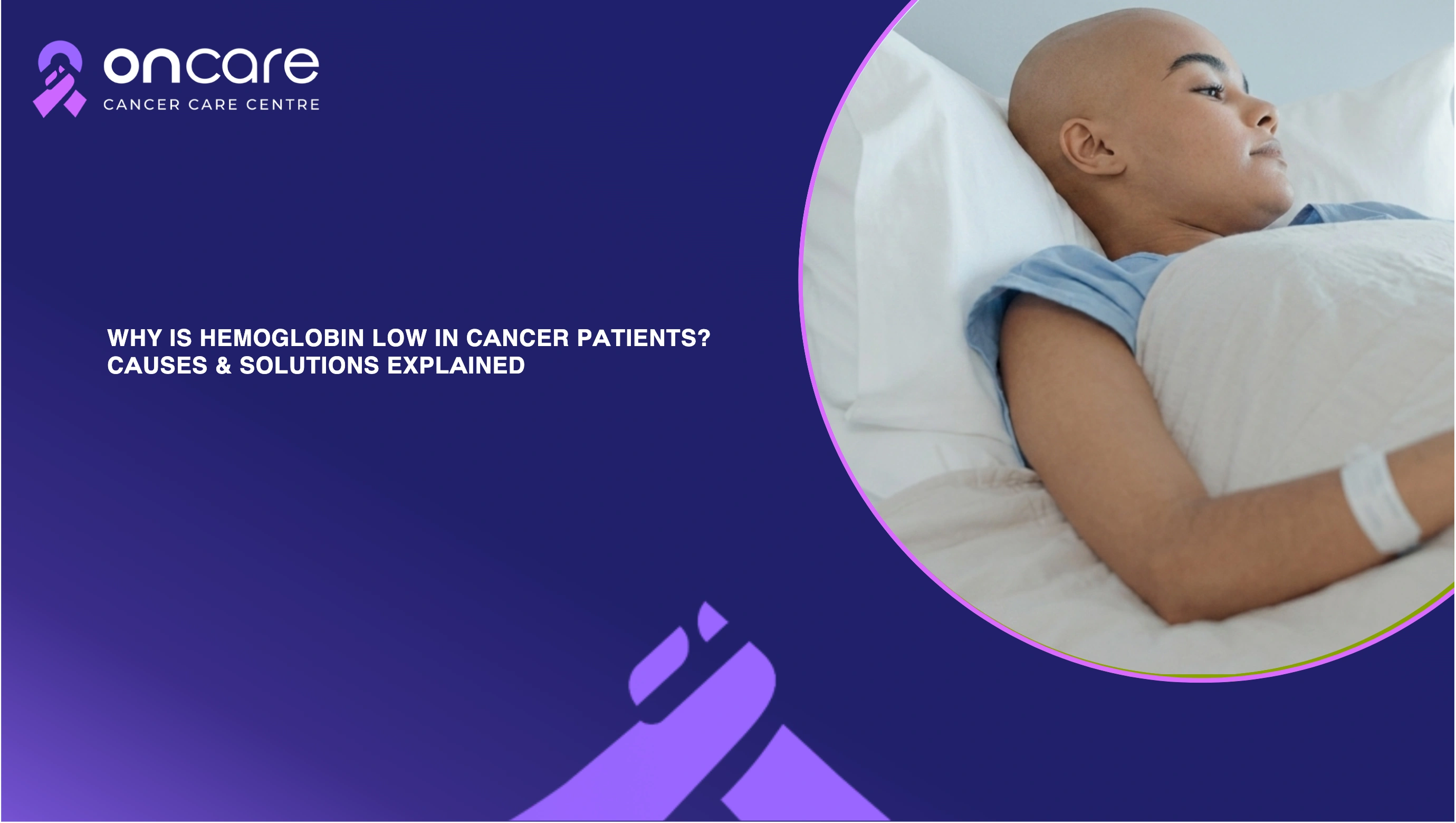
A lot of people with cancer are told that their hemoglobin levels are low when they are getting treatment. This can be hard to grasp and even scary at times, especially if you don't know what it signifies.
Hemoglobin is a key ingredient of your blood that helps move oxygen around your body. When levels go down, you could feel weak, weary, and out of breath.
The good news is that many cancer patients have low hemoglobin levels, and with the right care, therapy, and diet, they can often be managed.
In this post, we will talk about why cancer patients' hemoglobin levels drop, what signs to look out for, and how to manage it.
What is hemoglobin?
Red blood cells have a protein called hemoglobin in them. Its major purpose is to move oxygen from the lungs to the rest of the body.
When hemoglobin levels are low, the body doesn't get enough oxygen. Anemia is the name for this condition.
You can go to the National Cancer Institute's website for reliable medical information.
Why do cancer patients have low hemoglobin levels?
There are many reasons why people with cancer could have low hemoglobin levels.
1. Cancer Itself Affects How Blood Is Made
Some malignancies, especially those that damage the bone marrow, might make it harder for the body to make red blood cells. Over time, this causes hemoglobin levels to drop.
2. Chemotherapy and radiation therapy
Chemotherapy and radiation are cancer treatments that can harm healthy cells, such as those in the bone marrow that make blood cells. This is one of the most common reasons why people with cancer have anemia.
3. Loss of blood
Some tumors, especially those in the stomach or intestines, can produce bleeding inside the body that happens slowly. This loss of blood slowly lowers hemoglobin levels.
4. Not eating well
People with cancer often don't want to eat or have trouble eating. This can cause a deficiency of vital nutrients, such as:
- Vitamin B12 Iron
- Folic acid
These nutrients are needed to make hemoglobin.
5. Long-term inflammation
Cancer can make the body inflamed for a long time. This changes how the body consumes iron and makes red blood cells. This could cause hemoglobin levels to go down.
Signs of Low Hemoglobin in People with Cancer
Some obvious signs of low hemoglobin are:
Some common signs are:
- Always feeling exhausted
- Weakness
- Breathlessness
- Feeling dizzy
- Pale skin
Medical help is needed if these symptoms get worse.
What Happens to the Body When Hemoglobin Is Low
The body doesn't obtain enough oxygen when hemoglobin levels are low. This could lead to:
- Lowered levels of energy
- Having trouble with everyday tasks
- Bad recovery during therapy
Controlling hemoglobin levels is vital for getting better health and better treatment results.
How do you treat low hemoglobin?
How bad the anemia is and what caused it will determine the treatment.
Some common treatments are:
1. Iron pills
To raise hemoglobin levels, doctors may suggest iron pills or shots.
2. Supplements of vitamins
Taking vitamin B12 and folic acid pills can help your body make more red blood cells.
3. Transfusion of blood
In very bad situations, patients may need a blood transfusion to swiftly raise their hemoglobin levels.
4. Drugs
Some drugs help the bone marrow make more red blood cells.
Foods That Help Raise Hemoglobin Levels
Eating well can help with treatment and raise hemoglobin levels.
Add foods like:
- Spinach and other green leafy veggies
- Pomegranate Beetroot
- Raisins and dates
- Eggs and beef that isn't too fatty
When to Go to the Doctor
Don't disregard low hemoglobin, especially when you're getting treatment for cancer.
If you have any of the following, see a doctor:
- Extreme tiredness
- Trouble breathing
- Fast heartbeat
- Weakness that doesn't go away
You can get more help from the Centers for Disease Control and Prevention.
Emotional and Physical Help
Having both cancer and anemia can be hard on both your body and your mind.
Patients might feel:
- Not much energy
- Anger
- Not being motivated
Getting help from family, eating well, and getting medical care can all make a great difference.
Consult Today
Cancer patients commonly have low hemoglobin levels, which can be caused by the disease itself or the treatment. It might cause symptoms like tiredness and weakness, but it is possible to deal with it if you do it the right way.
Knowing what causes problems and acting quickly can help you get better and enhance your quality of life.
You might want to look into Oncare Cancer Hospital, which is known for its patient-centered cancer care and sophisticated treatment facilities. They offer expert care, advanced treatment, and individualized support.





Frequently Asked Questions
Chemotherapy, radiation, and decreased blood cell synthesis in the body are the main reasons why hemoglobin levels drop.
Yes, if not treated, it can make you very weak, make it hard to breathe, and slow down your recovery.
Foods high in iron, such as spinach, beetroot, and pomegranate, are good for you.
When hemoglobin levels drop exceedingly low and symptoms are severe, a blood transfusion is needed.
Written and Verified by:
Dr. Gajendra Kumar Himanshu Exp: 10 Yr
Medical Officer
Book an Appointment
Related Blogs
Key Factors That Affect the 5-Year Survival Rate of Oral Cancer Patients
Learn about the oral cancer survival rate, factors that affect survival, early detection, and treatment options. Get expert cancer care at Oncare Cancer Hospital.
Support Groups and Community Resources for Cancer Patients in India
Discover how cancer patient support groups in India provide emotional support. Learn about hospital, community, and online resources to help during treatment.

Best Cancer Hospital in East Delhi: Complete Guide for Blood Cancer Patients
Explore the best cancer hospital in East Delhi for blood cancer treatment. Compare Oncare with other hospitals, costs, specialists, and care options in this guide.
Diet for Liver Cancer Patients
Learn about the best diet for liver cancer patients, including healthy foods to eat, foods to avoid, managing appetite during treatment, and how proper nutrition supports recovery and strength.