Table of Contents
Your First Chemo Day: What to Expect

By Dr. Gajendra Kumar Himanshu


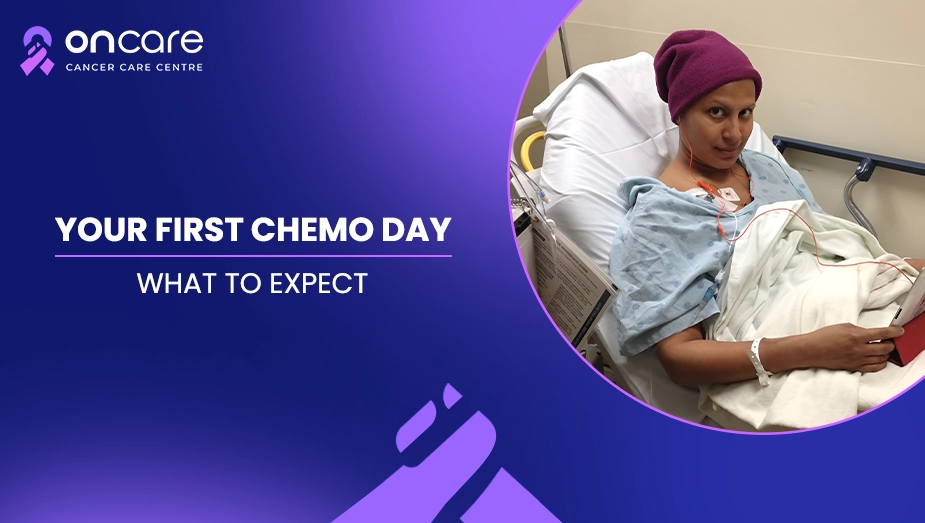
The first day of chemotherapy can feel emotionally overwhelming for many cancer patients because it often brings fear, uncertainty and questions about how treatment may feel physically and emotionally. Chemotherapy uses strong medicines to destroy or control cancer cells, and every patient’s experience may differ depending on the type of cancer, medicines used and overall health condition.
Understanding what usually happens during the first chemotherapy session may help reduce anxiety and prepare patients mentally and physically for treatment. Most first visits include blood tests, medical evaluation, discussions with the oncology team and chemotherapy administration through an intravenous line or another prescribed method.
In this blog, we will explain what patients may expect on the first day of chemotherapy, including preparation, treatment procedures, common side effects, emotional support and practical tips for staying comfortable during treatment.
What Usually Happens Before Chemotherapy Treatment Begins
Before chemotherapy starts, doctors generally perform blood tests and health assessments to ensure the patient is medically fit for treatment. The oncology team may also explain the medicines being used, possible side effects, treatment duration and precautions patients should follow afterward.
Patients are usually encouraged to ask questions and discuss any concerns before treatment begins. According to the National Cancer Institute's , understanding the chemotherapy process and following medical guidance carefully may help patients feel more confident during treatment.
Important Things Patients May Bring on Their First Chemotherapy Day
- Medical reports and prescriptions
- Identity and insurance documents
- Water bottle and light snacks
- Comfortable clothing
- Books, headphones or entertainment items
- A caregiver or emotional support companion
Simple preparation may help improve comfort during long treatment sessions.
How Chemotherapy Is Usually Administered
Chemotherapy medicines are commonly given through an intravenous (IV) line inserted into a vein. Depending on the treatment plan, some patients may receive medicines through a chemo port or oral medications.
Treatment sessions may last from less than an hour to several hours depending on the chemotherapy type and prescribed medicines. During treatment, nurses monitor patients carefully for any immediate discomfort or reactions.
Typical Steps During a Chemotherapy Session
Treatment Step | What Usually Happens |
|---|---|
Blood tests and medical assessment | Doctors evaluate overall health condition |
Premedications | Medicines may help reduce side effects |
Chemotherapy treatment | Cancer medicines are administered slowly |
Monitoring during treatment | Nurses observe comfort and response |
Post-treatment instructions | Patients receive home care guidance |
Common Side Effects After the First Chemotherapy Session
Not every patient experiences the same side effects and some individuals may feel relatively normal immediately after treatment. However, temporary side effects may develop within hours or days after chemotherapy.
Common side effects may include:
- Fatigue and weakness
- Nausea or vomiting
- Loss of appetite
- Body pain or mild headaches
- Stress or emotional anxiety
Doctors may prescribe medicines to help manage nausea and treatment-related discomfort.
Why Rest, Nutrition and Hydration Matter After Chemotherapy
After chemotherapy, the body may need time to recover from both the medicines and emotional stress of treatment. Proper hydration, nutritious food and adequate rest may support recovery and improve comfort.
Patients are usually encouraged to:
- Drink fluids regularly
- Eat light and nutritious meals
- Avoid overexertion
- Follow medicine schedules carefully
- Contact doctors if symptoms become severe
Following medical instructions carefully may help improve recovery after chemotherapy sessions.
Managing Emotional Fear and Anxiety During the First Chemotherapy Session
Many patients feel nervous before their first chemotherapy treatment because they fear painful experiences or severe side effects. Emotional fear at the beginning of treatment is very common and understandable.
Talking openly with doctors, nurses, caregivers or support groups may help reduce anxiety. Patients often feel more emotionally prepared once they understand how chemotherapy treatment actually works.
The Importance of Emotional Support From Family and Caregivers
Family members and caregivers may help make the first chemotherapy session feel less stressful. Small supportive actions such as accompanying patients, listening patiently or assisting with transportation may provide emotional comfort during treatment.
Positive emotional support may help patients feel less isolated throughout their cancer journey.
Preparing for Recovery Between Chemotherapy Cycles
Chemotherapy is usually given in cycles, meaning treatment is followed by recovery periods before the next session. Recovery time allows the body to regain strength while doctors monitor treatment response and side effects.
Patients should carefully monitor symptoms, attend follow-up appointments and inform their oncology team about any unusual side effects or concerns.
Building Confidence Through Awareness and Realistic Expectations
Understanding chemotherapy realistically may help patients feel more emotionally prepared for treatment. Although treatment may sometimes feel physically and emotionally challenging, many patients continue managing regular daily activities during therapy with proper medical care and support.
Awareness and preparation may help reduce unnecessary fear about the first chemotherapy experience.
Consult Today
The first chemotherapy session may feel emotionally difficult, but understanding what to expect may help patients feel more prepared and confident. Good preparation, emotional support, proper hydration, adequate rest and open communication with the oncology team may improve comfort during treatment.
Every chemotherapy experience is different and following medical advice carefully remains an important part of managing side effects and supporting recovery.
For patients seeking compassionate cancer care and advanced treatment support, Oncare Cancer Hospital is known for providing patient-centered cancer treatment and supportive oncology care.





Frequently Asked Questions
The duration may vary from less than an hour to several hours depending on the treatment plan and medicines used.
Some patients may feel tired or nauseous later, while others may not experience immediate side effects during treatment.
Doctors often recommend light, nutritious meals along with proper hydration after chemotherapy treatment.
Many hospitals allow caregivers or family members to accompany patients for emotional support during treatment.
Written and Verified by:
Dr. Gajendra Kumar Himanshu Exp: 10 Yr
Medical Officer
Book an Appointment
Related Blogs
Drugs Used in Breast Cancer: Hormone Therapy, Chemo and Targeted Medicines
How hormone therapy, chemotherapy and targeted therapy work in breast cancer treatment, when each may be prescribed, possible side effects, and how doctors decide which approach is right for a patient.
Chemotherapy vs Immunotherapy vs Radiation Therapy: Understanding the Differences
Compare chemotherapy, immunotherapy, and radiation therapy, including benefits, side effects, and treatment options at Oncare Hospital with expert cancer care.
Cooking for a Loved One on Chemo: Smell-Friendly and Easy-on-Stomach Recipes
Discover smell-friendly and easy-on-stomach recipes for chemotherapy patients with gentle nutrition tips and recovery support from Oncare Cancer Hospital.
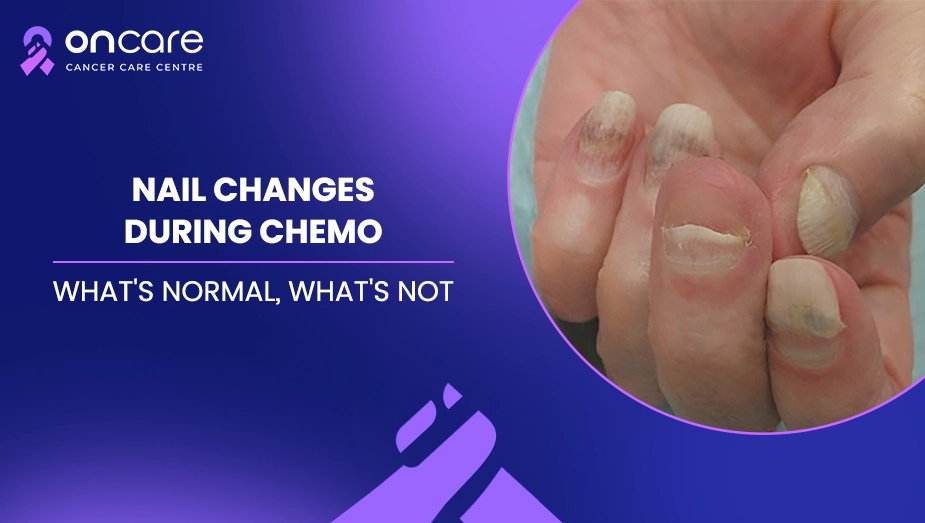
Nail Changes During Chemo: What's Normal, What's Not
Learn about common nail changes during chemotherapy, warning signs to watch for, nail care tips, and how to manage discomfort during cancer treatment.