Table of Contents
Cooking for a Loved One on Chemo: Smell-Friendly and Easy-on-Stomach Recipes

By Dr. Gajendra Kumar Himanshu


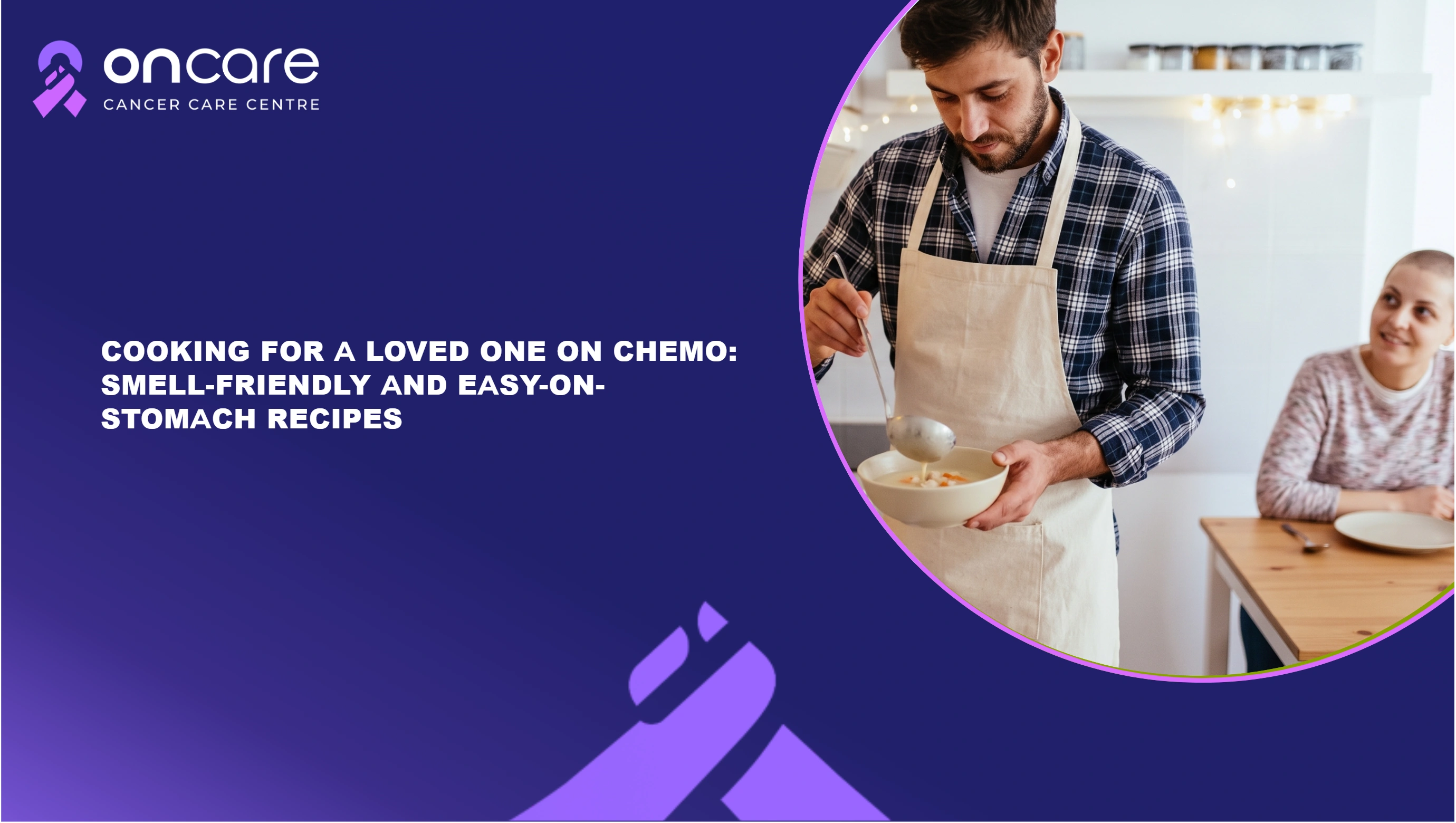
Many cancer patients find it difficult to eat during chemotherapy because treatment may affect appetite, digestion, taste and sensitivity to smell. Strong food odours, spicy dishes, greasy foods and large meals may trigger nausea or discomfort during therapy. Preparing smell-friendly and easy-to-digest foods may help patients maintain nutrition, strength and comfort during recovery.
Soft textures, mild flavours, fresh ingredients and small frequent meals are often easier to tolerate. Gentle foods may help reduce nausea, bloating, acidity and loss of appetite during cancer treatment. Caregivers also play an important role in preparing suitable meals that support hydration, energy and emotional comfort.
In this blog, we will discuss smell-friendly cooking tips for chemotherapy patients, stomach-friendly meal options, simple recipe ideas and practical nutrition support strategies during treatment.
Why Changes In Smell And Taste Happen During Chemotherapy
Chemotherapy medicines may temporarily affect taste buds, digestion and smell sensitivity. Patients may suddenly dislike foods they previously enjoyed or feel nauseous from strong cooking smells. These side effects may reduce appetite and make eating more difficult.
Doctors and nutrition experts often recommend balanced and hygienically prepared meals during treatment to support recovery. Patients and caregivers may also refer to the National Cancer Institute for healthy eating guidance during cancer care.
Common Food-Related Problems During Chemotherapy
- Nausea and vomiting
- Metallic or unpleasant taste in the mouth
- Sensitivity to food smells
- Dry mouth or mouth sores
- Bloating and indigestion
- Loss of appetite and fatigue
How To Prepare Smell-Friendly Meals During Chemotherapy
The way food is prepared can make a significant difference for chemotherapy patients who are sensitive to smells. Simple ingredients and gentle cooking methods may help reduce discomfort during meals.
Helpful Cooking Tips For Caregivers
- Cook food in well-ventilated spaces
- Avoid deep frying and heavy seasoning
- Serve food at room temperature if hot smells trigger nausea
- Use mild herbs instead of strong spices
- Offer smaller meals more frequently
- Prepare soft and easy-to-chew foods
Gentle Foods That May Be Easier On The Stomach
Simple and lightly prepared foods are usually easier for chemotherapy patients to tolerate. Softer textures and lighter meals may support digestion and reduce stomach discomfort.
Gentle Meal Options For Chemotherapy Patients
Food Type | Examples | Benefits |
|---|---|---|
Soft foods | Oats, khichdi, curd rice | Gentle on the stomach |
Hydrating foods | Soups, coconut water | Supports hydration |
Protein-rich foods | Dal, tofu, paneer | Supports recovery |
Light snacks | Bananas, bread, crackers | Easy to digest |
Cool soft foods | Yoghurt and smoothies | Comfortable to eat |
Simple Comforting Recipes During Treatment
Caregivers may prepare nutritious and gentle foods using simple ingredients that produce fewer cooking odours.
Easy Smell-Friendly Meal Ideas
- Moong dal khichdi with soft vegetables
- Vegetable oatmeal
- Mildly seasoned curd rice
- Banana smoothie with milk or yoghurt
- Toast with clear vegetable soup
- Soft poha with lightly cooked vegetables
Some patients may tolerate cold or room-temperature foods better because they often release less smell compared to hot meals.
Why Hydration And Small Meals Are Important During Chemotherapy
Chemotherapy may lead to dehydration, weakness and stomach discomfort. Drinking enough fluids and eating smaller meals throughout the day may help maintain energy levels and reduce digestive strain.
Practical Nutrition Tips During Recovery
- Offer small meals every few hours instead of large meals
- Encourage fluid intake throughout the day
- Avoid forcing food during severe nausea
- Keep healthy snacks available
- Watch for unexpected weight loss or appetite changes
- Consult an oncology dietitian if needed
Emotional Support During Mealtime Is Also Important
Cancer treatment may affect emotional wellbeing along with physical health. Patients may feel frustrated or anxious about eating difficulties. Calm mealtime environments, patience and emotional support may help reduce stress around meals.
Caregivers should focus on comfort, flexibility and emotional reassurance because appetite and food preferences may change frequently during chemotherapy.
Consult Today
Preparing smell-friendly and easy-to-digest meals may improve comfort and nutrition for chemotherapy patients. Gentle homemade foods, proper hydration and supportive care may help patients manage treatment side effects more comfortably.
Every patient has different nutritional needs, so medical advice and personalized meal planning remain important during cancer treatment. Oncare Cancer Hospital is known for advanced cancer care, nutritional guidance and compassionate patient-focused support services.





Frequently Asked Questions
Chemotherapy may affect taste buds and smell sensitivity, making strong food odours uncomfortable for some patients.
Soft foods such as khichdi, soups, oats, curd rice and smoothies are often easier to digest.
Yes, smaller and more frequent meals are usually easier to tolerate than large meals during treatment.
Yes, cold or room-temperature foods may produce less smell and sometimes help reduce nausea.
Written and Verified by:
Dr. Gajendra Kumar Himanshu Exp: 10 Yr
Medical Officer
Book an Appointment
Related Blogs
Colon Cancer Diet: Foods to Eat and What to Avoid
Learn which foods to eat and avoid to safely manage colon cancer. Boost digestion, immunity, and recovery with expert diet tips from Oncare Cancer Hospital.
Cancer and Diet in Indian Cuisine: Traditional Foods That Support Recovery
Explore cancer and diet in Indian cuisine and learn how traditional Indian foods support recovery. Consult Oncare Cancer Hospital today for expert cancer care.
Diet for Liver Cancer Patients
Learn about the best diet for liver cancer patients, including healthy foods to eat, foods to avoid, managing appetite during treatment, and how proper nutrition supports recovery and strength.