Table of Contents
Drugs Used in Breast Cancer: Hormone Therapy, Chemo and Targeted Medicines

By Dr. Gajendra Kumar Himanshu


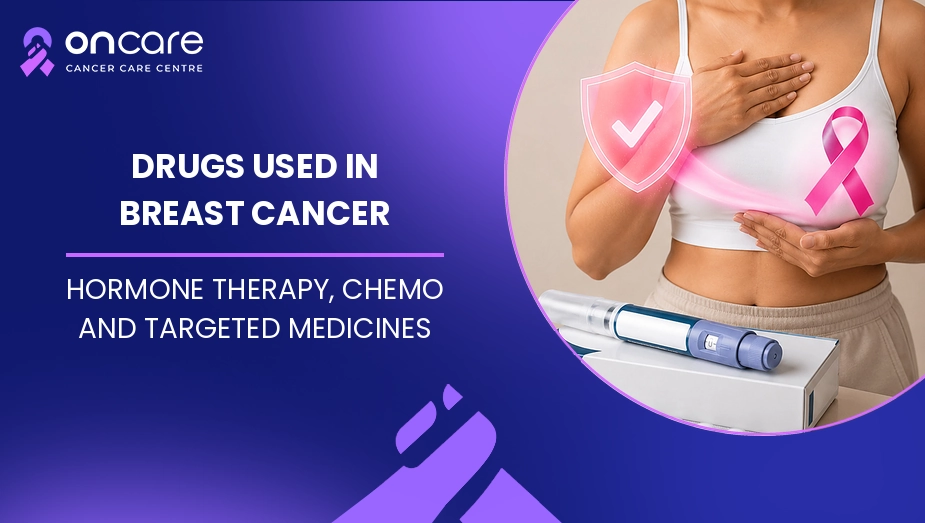
Breast cancer drugs may kill cancer cells, delay the growth of cancer cells, or lessen the danger that the cancer will come back. The type of medicine given is based on various factors, including the type and stage of breast cancer, the results of hormone receptor testing, the results of genetic testing, the patient’s overall health, and the patient’s particular treatment goals.
The three main types of drugs to treat breast cancer are hormone therapy, chemotherapy, and targeted therapy. Each one works differently and can be used on its own or with other therapies. Knowing how these medicines operate can help patients and families feel more informed and prepared when discussing treatment options with their healthcare team.
In this blog, we’ll cover the many types of medications used in breast cancer treatment, how they work, when they may be prescribed, and what patients can expect during treatment.
Why Are Medicines Used To Treat Breast Cancer?
Breast cancer is not the same for everyone. Different forms of breast cancer behave differently; therefore, treatment approaches are individualized. Doctors may prescribe drugs to:
- Shrink a tumor before surgery
- Lower the risk of cancer recurrence
- Slow down or stop cancer growth
- Treat cancer that has spread to other parts of the body
- Improve long-term treatment results
Treatment depends on personal risk factors, family history, findings of genetic testing, overall health, and the doctor’s recommendation.
Hormone Therapy: Blocking Cancer’s Growth Messages
Some breast tumors respond to hormones like estrogen or progesterone. These malignancies are called hormone receptor-positive breast cancers.
Hormone treatment works by lowering hormone levels in the body or stopping hormones from reaching cancer cells.
How it works
Hormone treatment can:
- Slow development of cancer
- Minimize the risk of recurrence
- Help prevent the development of new hormone-sensitive tumors
- Provide long-term support after surgery or other therapies
Types of Hormone Therapy Commonly Used
Examples could be:
- Tamoxifen Citrate
- Aromatase Inhibitors
- Drugs that suppress ovarian function
The sort of hormone treatment prescribed depends on age, menopausal state, features of the cancer, and medical history.
Chemotherapy: How It Works to Treat Cancer All Over the Body
Chemotherapy is the use of strong drugs to kill fast-growing cancer cells. Chemotherapy works in the bloodstream, so it goes all over the body. That’s different from area-targeting treatments. This allows it to target cancer cells that may have spread from the breast.
When Chemotherapy Is Recommended
Your doctor may recommend chemotherapy:
- Before surgery to reduce a tumor
- Following surgery to reduce recurrence risk
- For high-grade breast cancers
- If the cancer has spread to other organs
The chemotherapy timeline is dictated by the treatment strategy. Some individuals get treatment every week, while others could get it every few weeks.
Possible Chemotherapy Side Effects
Side effects vary from person to person and depend on which drugs are used. Some of the most common adverse effects may be:
- Tiredness
- Loss of hair
- Sick feeling
- Appetite changes
- Higher risk of infection
Many adverse effects are manageable with supportive care and medical advice.
Targeted Therapy: A More Precise Treatment
Targeted medicines are designed to target specific proteins, genes, or processes that help cancer to grow. Unlike chemotherapy, tailored medications work by targeting certain characteristics of cancer cells.
How Targeted Therapy Works
These drugs might:
- Block signal pathways that cancer cells use to grow
- Slow tumor growth
- Make the treatment more effective when paired with other therapies
A well-known example is the treatment of HER2-positive breast cancer with targeted drugs that target the HER2 protein that helps cancer cells grow.
Who Can Benefit from Targeted Therapy?
Not all patients are appropriate for targeted therapy. Usually, doctors decide eligibility based on:
- Tumor testing results
- Results of genetic testing
- Type of cancer
- Overall goals of treatment
Compare Common Treatments for Breast Cancer
Type of Treatment | Main Objective | How It Works |
|---|---|---|
Hormonal therapy | Fights hormone-sensitive malignancies | Blocks or reduces hormones that feed cancer growth |
Chemotherapy | Kills cancer cells all over the body | Targets rapidly dividing cells |
Targeted therapeutics | Targets particular cancer traits | Targets proteins or genetic alterations in cancer cells |
How Physicians Select the Best Treatment
Treatment is a very personal choice, and what works for one person may not work for another.
Doctors might think about:
- Breast cancer kind
- Disease stage
- Hormone receptor status
- HER2 status
- Results of genetic testing
- Family history
- General health and age
- Individual tastes
Many people undergo more than one sort of treatment on their cancer journey.
Managing Treatment and Day-to-Day Life
Breast cancer treatment may interfere with daily routine, but many people can continue working, caring for family, and doing things they enjoy. Useful strategies could include:
- Careful compliance with medication schedules
- Stay physically active when you can
- A healthy diet
- Resting adequately
- Communication with health care professionals
- As needed, seeking emotional help
Having family, friends, and doctors to support you can help make the experience of treatment easier to manage.
Getting More Information About Breast Cancer Drugs
Patients need reliable information about treatment alternatives and educated decision-making. For evidence-based information regarding breast cancer therapy and drugs, readers can visit the National Cancer Institute, which offers reliable educational resources for patients and families.
Looking Forward with Confidence
With new developments in breast cancer management, there are more options than ever before. Hormone therapy, chemotherapy, and targeted drugs all play a critical role in helping doctors create tailored treatment strategies.
Not all patients need the same treatment, and there is no one-size-fits-all strategy. The optimal course of action depends on your personal risk, family history, genetic testing results, your overall health, the type of cancer, and your doctor’s advice.
Consult Today
Drugs used in breast cancer treatment include hormone therapy, chemotherapy, and targeted drugs. This gives doctors ways to treat cancer in different ways depending on the patient’s particular situation. Learning about how these treatments operate will help you get more involved in treatment decisions and be more prepared as you go through treatment.
Each treatment strategy should be individualized for the person, including the type of cancer, family history, genetic testing results, overall health, and advice from a medical practitioner.
Oncare Cancer Hospital is a trusted name for professional guidance, sophisticated treatment choices, and compassionate cancer care dedicated to helping patients and families at all stages of treatment and recovery.





Frequently Asked Questions
The most prevalent types include chemotherapy, hormone treatment, and targeted therapy.
No. The treatment depends on the type of breast cancer, the stage, test findings, and what the doctor recommends.
Targeted therapy is a treatment that employs drugs to target certain genes or proteins that are involved in the growth of cancer.
Yes. Hormone treatment is used to treat breast cancers that grow with hormones such as estrogen or progesterone.
Written and Verified by:
Dr. Gajendra Kumar Himanshu Exp: 10 Yr
Medical Officer
Book an Appointment
Related Blogs
Stomach Cancer in India: Why Diagnosis Comes Late
Learn why stomach cancer is often diagnosed late in India, common warning signs, risk factors, and the importance of early medical evaluation at Oncare Hospital.
Cancer Treatment During Pregnancy: Balancing Mother and Baby's Safety
Learn how cancer is managed during pregnancy, including treatment options, safety considerations, and coordinated care for mother and baby at Oncare Hospital.
Cancer in Senior Citizens: Treatment Decisions When You Have Other Health Conditions
Learn how cancer treatment is tailored for older adults, considering overall health, existing conditions, medications, and quality of life at Oncare Cancer Hospital.
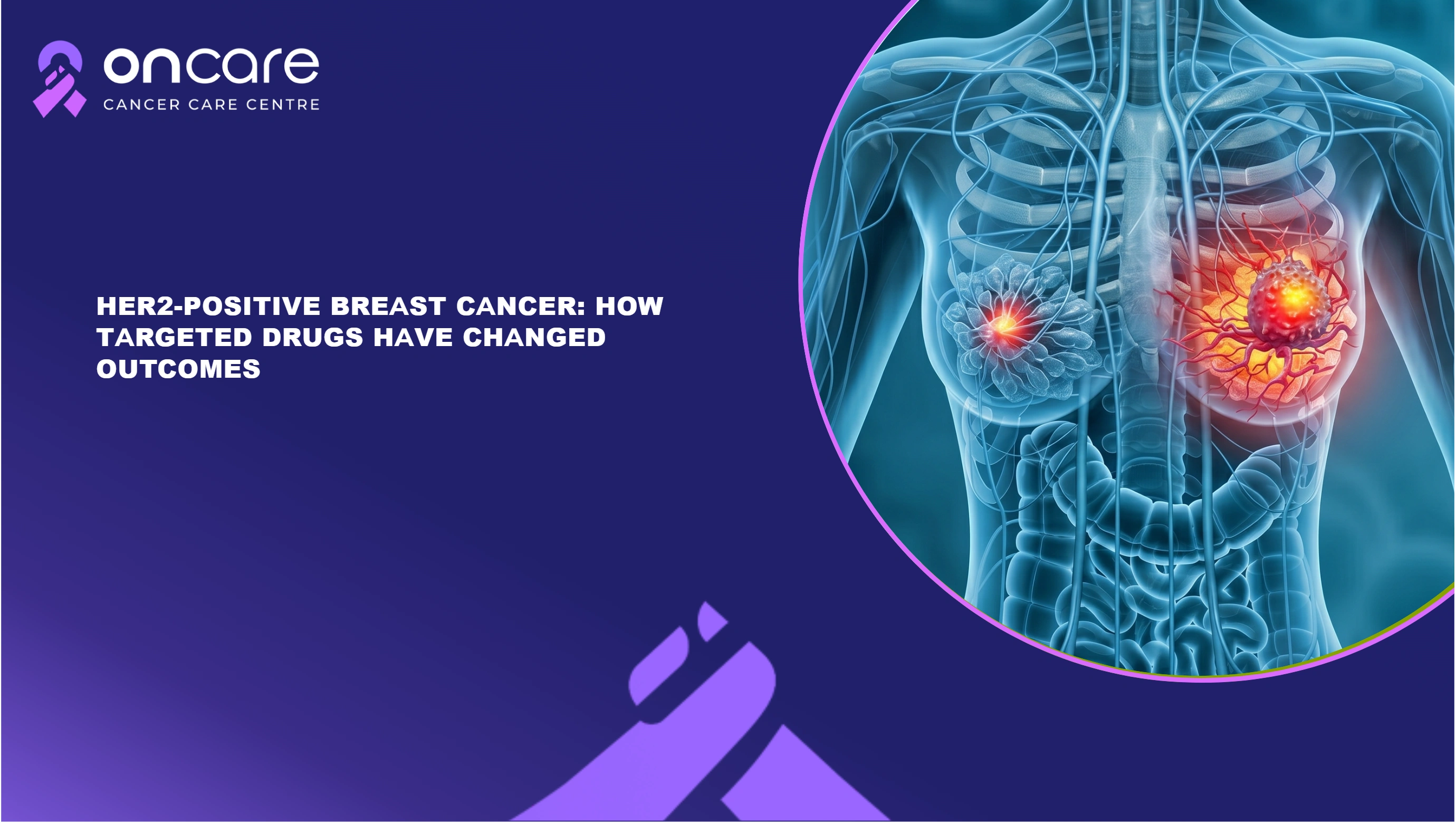
HER2-Positive Breast Cancer: How Targeted Drugs Have Changed Outcomes
Learn about HER2-positive breast cancer, targeted therapy treatments, symptoms, recovery care, advanced medical support, and care at Oncare Cancer Hospital.