Table of Contents
Chemotherapy vs Immunotherapy vs Radiation Therapy: Understanding the Differences

By Dr. Gajendra Kumar Himanshu


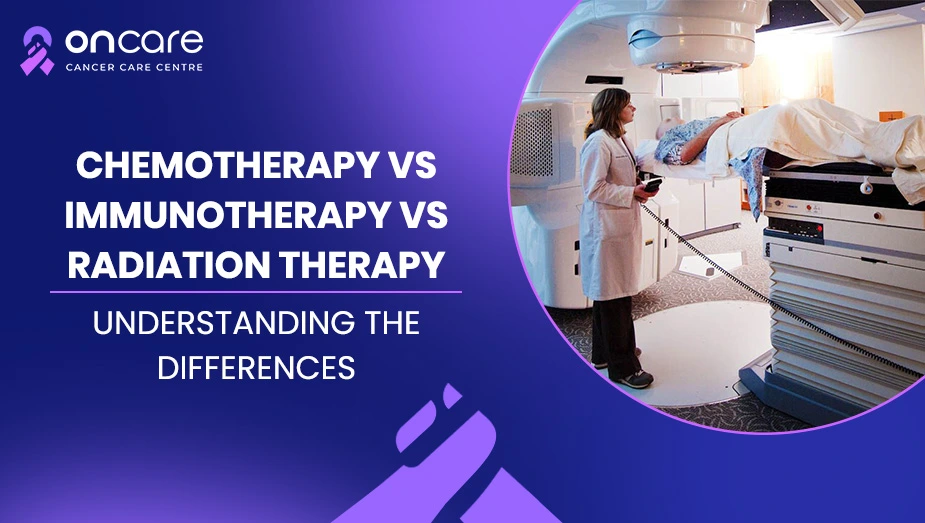
If you are diagnosed with cancer, one of the first questions you may ask is which treatment option is best. Chemotherapy, immunotherapy, and radiation therapy are among the most commonly used cancer treatments, but they work in very different ways.
Chemotherapy uses medicines that target rapidly dividing cancer cells throughout the body. Immunotherapy helps the body's immune system identify and fight cancer cells more effectively. Radiation therapy uses high-energy radiation to destroy cancer cells in a specific area.
Each treatment has its own advantages, limitations, side effects, treatment duration, and suitability depending on the type and stage of cancer. In many cases, doctors may combine two or more treatments to achieve the best possible outcome.
In this blog, we explain the differences between chemotherapy, immunotherapy, and radiation therapy, including how they work, when they are used, common side effects, effectiveness, costs, and important questions patients should discuss with their doctors.
What These Three Cancer Treatments Do
Although all three treatments aim to control or eliminate cancer, they work in different ways.
Chemotherapy Targets Fast-Growing Cancer Cells
Chemotherapy uses powerful medicines that travel through the bloodstream and destroy rapidly dividing cancer cells. Because it circulates throughout the body, chemotherapy can also target cancer cells that have spread beyond the original tumor.
Chemotherapy may be used:
- Before surgery to shrink tumors
- After surgery to reduce recurrence risk
- As a primary treatment for certain cancers
- Alongside radiation therapy or immunotherapy
Immunotherapy Helps the Immune System Fight Cancer
Unlike chemotherapy, immunotherapy does not directly attack cancer cells. Instead, it strengthens or guides the body's immune system to recognize and destroy cancer cells more effectively.
Immunotherapy has become an important treatment option for several cancers, including:
- Melanoma
- Lung cancer
- Kidney cancer
- Bladder cancer
- Certain blood cancers
Radiation Therapy Focuses on a Specific Area
Radiation therapy uses high-energy beams to destroy cancer cells in a targeted area. Unlike chemotherapy, radiation is a local treatment and generally affects only the area being treated.
Doctors often use radiation therapy:
- To treat localized cancers
- Before surgery
- After surgery
- To relieve symptoms in advanced cancer
- Alongside chemotherapy
Chemotherapy vs Immunotherapy vs Radiation Therapy
Factor | Chemotherapy | Immunotherapy | Radiation Therapy |
|---|---|---|---|
Treatment Mechanism | Uses drugs to destroy fast-growing cells | Boosts the immune system to fight cancer | Uses high-energy radiation to destroy cancer cells |
Treatment Area | Entire body | Works through the immune system throughout the body | Specific targeted area |
Common Uses | Breast, lung, colon, blood cancers and many others | Melanoma, lung, kidney, bladder and biomarker-driven cancers | Localized tumors and symptom control |
Treatment Duration | Weeks to months | Months to years depending on response | Usually several days to a few weeks |
Cost | Moderate to high | Often higher due to advanced medications | Moderate depending on sessions and technology |
Common Side Effects | Hair loss, nausea, fatigue, low blood counts | Fatigue, skin reactions, immune-related inflammation | Skin irritation, fatigue, localized discomfort |
Effectiveness | Effective for many cancer types | Can provide long-lasting responses in selected patients | Excellent local tumor control |
Why Treatment Success Rates Cannot Be Compared Directly
Many patients want to know which treatment has the highest success rate. However, cancer treatment does not work that way because every cancer behaves differently.
A therapy that works exceptionally well for one cancer type may not be the best choice for another. For example, immunotherapy may produce excellent long-term results for some melanoma patients, while chemotherapy remains highly effective for many blood cancers.
Treatment outcomes depend on several factors:
- Type of cancer
- Cancer stage
- Genetic mutations
- Patient age
- Overall health
- Previous treatments
- Response to therapy
Because of these variables, direct comparisons of success rates can be misleading.
Understanding the Common Side Effects
Side effects are an important consideration when evaluating treatment options.
Chemotherapy Side Effects
- Fatigue
- Nausea and vomiting
- Hair loss
- Changes in appetite
- Higher infection risk
Modern supportive medications have helped reduce many chemotherapy-related side effects.
Immunotherapy Side Effects
- Skin rashes
- Fatigue
- Joint pain
- Thyroid-related problems
- Inflammation of organs such as the lungs or intestines
Radiation Therapy Side Effects
- Skin irritation
- Fatigue
- Temporary swelling
- Localized discomfort
Most side effects improve after treatment is completed.
When Doctors May Combine Treatments
Many patients receive more than one type of treatment because combination therapy can improve outcomes in certain situations.
Common combinations include:
- Chemotherapy and radiation therapy
- Chemotherapy and immunotherapy
- Surgery followed by radiation therapy
- Surgery followed by chemotherapy
- Immunotherapy before or after other treatments
According to the National Cancer Institute , cancer treatment is increasingly personalized based on tumor characteristics and individual patient factors.
Questions Patients Should Ask Before Choosing a Treatment
Treatment decisions should always involve open discussions with your oncology team.
Helpful questions include:
- Why do you recommend this treatment?
- What benefits can I realistically expect?
- What side effects are common?
- How long will treatment take?
- Can I continue my normal daily activities?
- Are there alternative options available?
- Should genetic testing be considered?
- Would a second opinion be useful?
These discussions often help patients feel more informed and confident about their care.
How Doctors Choose the Most Appropriate Treatment
There is no single answer to whether chemotherapy, immunotherapy, or radiation therapy is the best treatment.
The choice depends on multiple factors, including:
- Type of cancer
- Stage of disease
- Family history
- Genetic testing results
- Overall health
- Treatment goals
- Potential benefits and risks
- Clinical judgment of the oncology team
One patient may benefit most from a single treatment, while another may require a combination approach.
Choosing the Right Treatment
Chemotherapy, immunotherapy, and radiation therapy are all important components of modern cancer care. Rather than competing treatments, each serves a specific purpose depending on the patient's diagnosis and medical needs.
The most appropriate treatment plan is one that aligns with the patient's cancer type, overall health, treatment goals, and personal preferences. Working with experienced oncologists helps ensure that treatment decisions are guided by scientific evidence and individualized care.
Oncare Cancer Hospital provides comprehensive cancer care with experienced specialists, advanced treatment technologies, and patient-centered support throughout every stage of treatment.





Frequently Asked Questions
Neither treatment is universally better. The most suitable option depends on the cancer type, stage, genetic factors, and individual patient circumstances.
The radiation treatment itself is not painful, although some patients may experience temporary side effects in the treated area.
For certain cancers, immunotherapy may be used instead of chemotherapy. In many situations, however, chemotherapy remains an important part of treatment or may be combined with immunotherapy.
Yes. Doctors frequently combine treatments such as chemotherapy, immunotherapy, radiation therapy, and surgery when medically appropriate.
Written and Verified by:
Dr. Gajendra Kumar Himanshu Exp: 10 Yr
Medical Officer