
Oncologists in Bengaluru
Google
★★★★★
4.9
Choosing the right oncologist in Bangalore is one of the first and most important decisions after a cancer diagnosis or a suspicious scan. Bengaluru has many qualified oncologists, which gives you choice but also makes it hard to know where to start.
There is no single oncologist who is right for everyone. The right specialist for you has the right training for your cancer, a multidisciplinary team behind them, and a way of working you trust. This guide explains the types of oncologists, how to choose one, what to ask at your first consultation, and who is on Oncare's Bengaluru team.
An oncologist diagnoses and treats cancer, usually as part of a team. Most people see more than one type:
Not sure which is which? Read how a surgical oncologist differs from a medical one, and how a hematologist differs from an oncologist. A tumour board brings these specialists together, so one department does not decide alone.
Cancer treatment is rarely one decision. Your oncologist chooses the sequence of surgery, medicines and radiation, adjusts it as you respond, and helps you manage side effects. A specialist who treats your cancer type regularly is more likely to know the newer options and the common pitfalls, and seeing one early avoids delays between diagnosis and treatment.
A medical oncologist is often the first cancer specialist you see after a biopsy confirms cancer. They read your pathology, staging scans and genetic test results, and decide whether you need chemotherapy, targeted therapy, immunotherapy or hormone therapy, and whether it should come before or after surgery or radiation.
They also manage side effects, order follow-up tests and keep the surgical and radiation oncologists informed. If your treatment involves cancer medicines, look for a medical oncologist in Bangalore who treats your cancer type regularly and works with a day-care chemotherapy unit. Read more about chemotherapy centres in Bengaluru.
A surgical oncologist is usually the lead specialist when a tumour can be removed. Ask how often they perform the operation you need, whether laparoscopic or robotic surgery is suitable for you, and how recovery and follow-up will be handled. See our guide to choosing a cancer surgeon.
A radiation oncologist decides whether radiation suits your cancer, which technique to use and how many sessions you need. Ask where the treatment will be delivered and how side effects are managed. Read about radiation centres in Bengaluru.
Want a longer list? Use our oncologist checklist.
Comparing hospitals as well as doctors? See our guide to choosing a cancer hospital in Bangalore.
See more questions to take to your first visit.
See an oncologist if you have been diagnosed with cancer, a scan or biopsy suggests cancer, or a symptom won't go away, such as a lump, unexplained weight loss, a sore that doesn't heal, or persistent pain or cough. Seeing a cancer specialist promptly avoids delays in diagnosis and treatment. If you have no symptoms but a family history, ask about screening. Your family doctor can refer you, or you can book directly.
Looking for a specialist for one cancer type? See our cancer doctors page, or go straight to blood cancer specialists.
Oncare’s oncologists consult across four centres in Bengaluru: Rajajinagar, Basavanagudi, Kalyan Nagar and Whitefield. Each is inside a hospital campus, so tests and consultations can happen in one visit, and you can choose the centre closest to home or work.
Bring your reports, and we'll explain your options and give you a cost estimate.
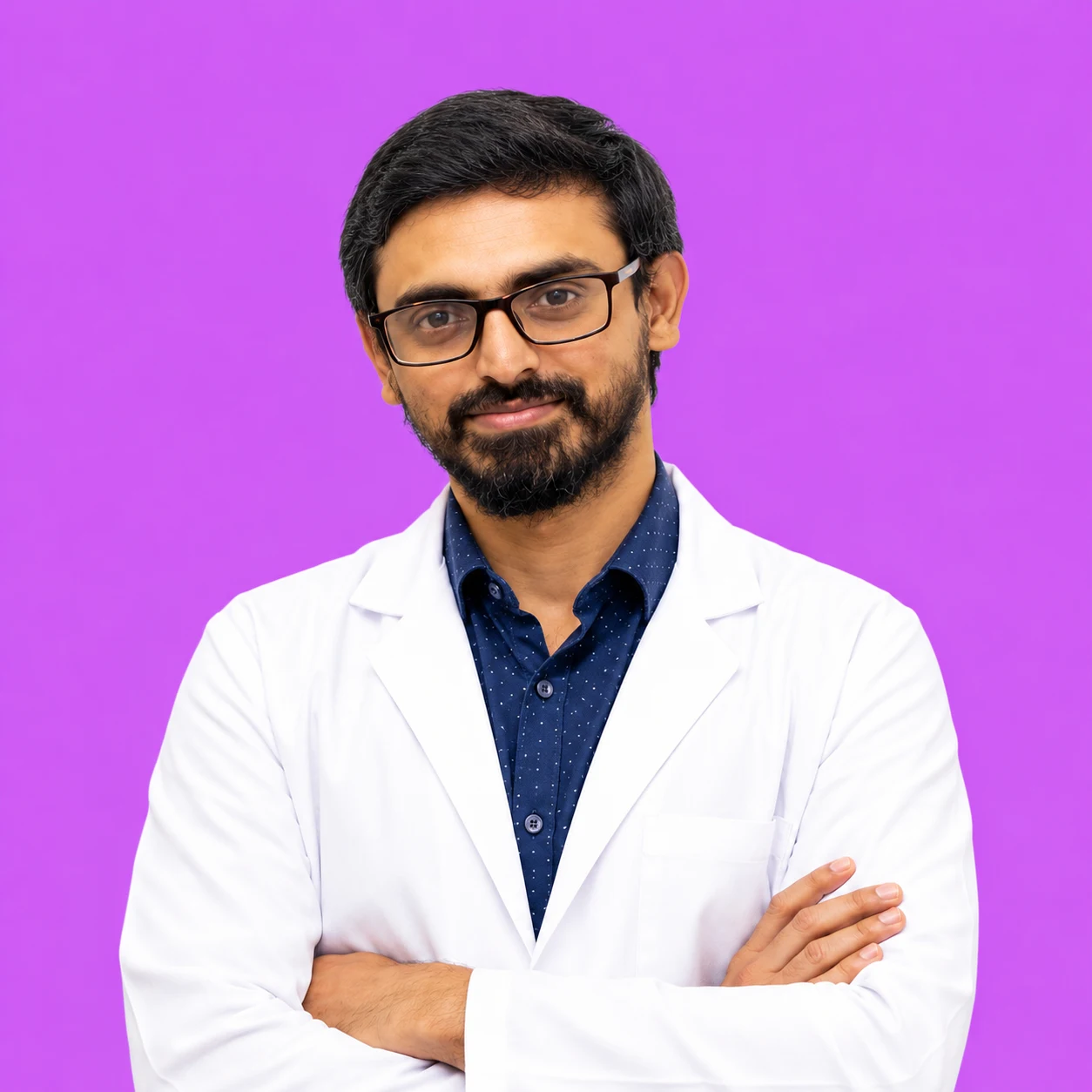
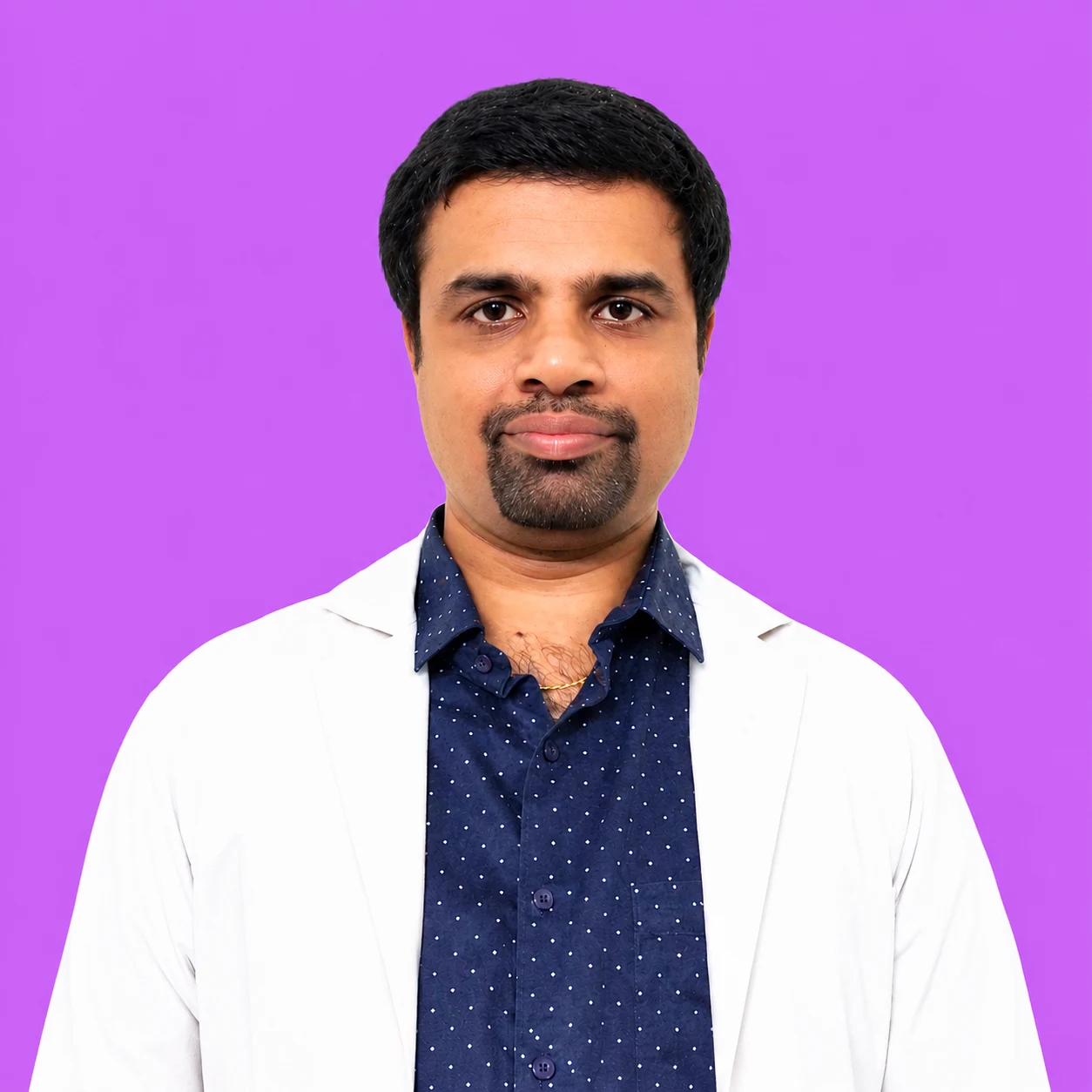
There is no single oncologist who suits every patient. The right choice depends on your cancer type and stage, the specialist's experience with cases like yours, the team and facilities around them, and how well they communicate.
"Oncologist" covers several specialties. A surgical oncologist (cancer surgeon) operates to remove tumours. A medical oncologist treats with medicines, and a radiation oncologist treats with radiation. Many patients see two or three of them.
When you have a cancer diagnosis, a scan or biopsy suggests cancer, or a symptom such as a lump, weight loss or persistent pain won't go away. Your family doctor can refer you.
No. You can book a consultation directly. Bring any scans, biopsy reports and records you have; they help the oncologist advise you at the first visit.
Your scans and reports, biopsy reports, current medicines, past medical records and insurance details. If you don't have them all, come anyway.
Yes. A second opinion is a normal part of cancer care, especially before surgery or when the diagnosis is complex. Bring your reports and our oncologists will review them.
From diagnosis to recovery, Oncare’s expert oncologists walk with you every step of the way.