Table of Contents
Small Bowel (Small Intestine) Cancer: A Rare Digestive Tract Malignancy

By Dr. Gajendra Kumar Himanshu


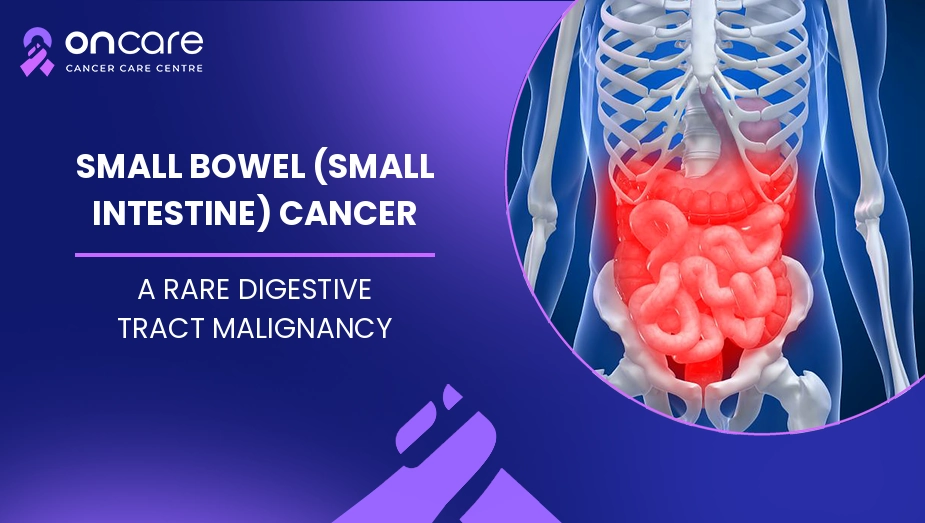
Small bowel cancer, also called small intestine cancer, is a rare cancer that starts in the tissues of the small intestine. It can cause symptoms such as abdominal pain, unexplained weight loss, nausea, vomiting, tiredness, bleeding, or jaundice. Treatment depends on the type, location, stage of cancer, and the person’s overall health.
In this blog, we will explain small bowel cancer in simple words, including its types, symptoms, risk factors, diagnosis, stages, treatment options, and what patients may expect during treatment. Understanding these points can help patients and families know when medical advice is needed.
What Is Small Bowel Cancer?
The small intestine, also called the small bowel, is a long tube that connects the stomach to the large intestine. It is an important part of the digestive system because it helps the body absorb nutrients from food.
Small bowel cancer develops when abnormal cells in the small intestine start growing out of control. It is uncommon compared with cancers of the stomach, colon, and rectum. Different types of cancer can start in the small intestine, and the treatment depends on the exact type.
The most common type is adenocarcinoma. Other types include neuroendocrine tumours, gastrointestinal stromal tumours (GISTs), lymphoma, and sarcoma.
For a broader understanding of digestive cancers, you can also read about common gastrointestinal cancer symptoms.
Types of Small Intestine Cancer
Small intestine cancer is not one single disease. Different cells in the small bowel can become cancerous.
Adenocarcinoma
Adenocarcinoma begins in the gland-like cells lining the small intestine. It is the most common type of small intestine cancer. Many of these cancers develop in the duodenum, which is the first part of the small intestine.
Neuroendocrine Tumours
These tumours develop from neuroendocrine cells. They are more commonly found in the ileum, which is the last part of the small intestine.
Other Types
Small bowel cancer can also include GISTs, lymphomas, and sarcomas. Each type behaves differently, so doctors need to confirm the exact cancer type before planning treatment.
Symptoms of Small Bowel Cancer
Small intestine cancer can be difficult to identify early because its symptoms may look like common digestive problems. Some people may have symptoms for a long time before the cancer is found.
Common symptoms may include:
- Abdominal pain or cramps
- Unexplained weight loss
- Nausea or vomiting
- Feeling weak or very tired
- Dark or black stools due to bleeding
- Anaemia caused by slow blood loss
- Yellowing of the skin or eyes, called jaundice
If a tumour becomes large, it may block the intestine. This can cause severe abdominal pain, vomiting, and difficulty passing food through the intestine.
These symptoms do not always mean cancer. However, symptoms that continue, become worse, or occur without a clear reason should be checked by a doctor.
What Causes Small Bowel Cancer?
There is no single cause of small bowel cancer. In some people, certain health conditions or inherited conditions may increase the risk. Possible risk factors are listed below.
Risk factor | How it may be related |
|---|---|
Crohn’s disease | Long-term inflammation of the intestine may increase risk |
Celiac disease | This condition affects the small intestine and may increase risk |
Familial adenomatous polyposis (FAP) | An inherited condition that can increase the risk of certain digestive cancers |
High-fat diet | Some research links a high-fat diet with increased risk |
Older age | Small intestine cancers are more often diagnosed in older adults |
Having a risk factor does not mean that a person will definitely develop cancer. Some people develop small bowel cancer without any known risk factor.
How Is Small Bowel Cancer Diagnosed?
There is no routine screening test recommended for small intestine adenocarcinoma in people at average risk. Because the cancer is rare and its symptoms can be unclear, it is often diagnosed after symptoms appear.
Doctors may use different tests depending on the symptoms and suspected location of the tumour. These may include imaging tests, endoscopy, blood tests, and a biopsy.
A biopsy involves taking a small sample of tissue so that it can be examined under a microscope. This helps doctors confirm whether cancer is present and identify its type.
If you want to understand why diagnosis and staging are important before treatment, you can read this blog on how doctors choose the right cancer treatment option.
Small Bowel Cancer Stages
After cancer is diagnosed, doctors need to find out how far it has grown or spread. This process is called staging.
Doctors may consider:
- How deeply the tumour has grown into the intestinal wall
- Whether nearby lymph nodes contain cancer cells
- Whether the cancer has spread to distant organs
The stage helps doctors understand the disease and choose a suitable treatment plan. It can also provide information about the patient’s outlook.
Treatment for Small Intestine Cancer
Treatment depends on the cancer type, stage, location, whether it can be removed completely, and the patient’s general health. Sometimes more than one treatment is used.
Surgery
Surgery is often the main treatment for small intestine adenocarcinoma when the cancer can be removed. The surgeon may remove the part of the small intestine containing the tumour along with some nearby healthy tissue and lymph nodes.
For cancers in the duodenum, a more complex operation called the Whipple procedure may sometimes be needed. The exact surgery depends on where the tumour is located and how far it has grown.
When the cancer cannot be completely removed, surgery may sometimes be used to relieve problems such as an intestinal blockage.
Chemotherapy
Chemotherapy uses anti-cancer medicines to destroy cancer cells or slow their growth. It may be given before surgery, after surgery, or when cancer has spread to other parts of the body.
The medicines and treatment schedule depend on the cancer and the patient’s health.
Radiation Therapy
Radiation therapy uses high-energy radiation to target cancer cells. It is not needed for every small bowel cancer patient, but doctors may recommend it in selected situations, especially when the cancer has spread or is causing certain symptoms.
Targeted Therapy and Immunotherapy
Some patients may be suitable for targeted therapy or immunotherapy. These treatments depend on specific features or changes found in the cancer cells. For example, certain gene or biomarker changes may help doctors identify treatments that could be useful.
You can learn more about different cancer treatment options and how doctors select treatment based on the patient’s condition.
What Can Patients Expect After Treatment?
Recovery depends on the type of treatment received. Patients who have surgery may need time to recover from the operation and adjust to changes in digestion or bowel habits.
Some patients may also receive chemotherapy or other treatments after surgery. Regular follow-up is important because doctors need to monitor recovery and check for signs that the cancer has returned.
Good nutrition, physical activity when medically appropriate, and support from the cancer care team can also be helpful during recovery.
When Should You See a Doctor?
Digestive symptoms such as stomach pain, vomiting, or changes in bowel habits are common and are often caused by conditions other than cancer. Still, you should speak with a doctor if symptoms are persistent, unexplained, or getting worse.
Seek medical attention particularly if you notice unexplained weight loss, repeated abdominal pain, black stools, ongoing vomiting, jaundice, or unusual weakness.
Finding the cause early can help doctors provide the right treatment when needed.
If you want to read more about small intestine cancer treatment, you can visit the National Cancer Institute.
Consult Today
Small bowel cancer is rare, and its symptoms can sometimes look like other digestive problems. Getting the correct diagnosis is therefore important. Treatment should be planned according to the cancer type, stage, tumour location, and overall health of the patient.
At Oncare Cancer Hospital, patients can receive comprehensive cancer care, including diagnosis, surgery, chemotherapy, radiation therapy, targeted therapy, and immunotherapy when appropriate. The treatment plan is decided according to each patient’s condition and medical needs.
Disclaimer
This information is for educational purposes only and does not constitute medical advice, diagnosis, or treatment. Always discuss decisions about digestive symptoms, tests, or any cancer treatment with a certified cancer healthcare provider.





Frequently Asked Questions
Yes, small intestine cancer is much less common than many other digestive tract cancers.
Common symptoms include abdominal pain, unexplained weight loss, nausea, vomiting, tiredness, bleeding, and sometimes jaundice.
Yes, treatment is available, and surgery is often the main treatment when the cancer can be completely removed. Chemotherapy, radiation, targeted therapy, or immunotherapy may also be used depending on the case.
There is no guaranteed way to prevent small bowel cancer. Managing certain risk conditions and discussing inherited risk with a doctor may be helpful for people at higher risk.
Written and Verified by:
Dr. Gajendra Kumar Himanshu Exp: 10 Yr
Medical Officer
Book an Appointment
Related Blogs

Vaginal Cancer: Symptoms, Causes and Treatment Options
Learn about vaginal cancer, its symptoms, causes, HPV risk, diagnosis, stages, treatment options, and follow-up care at Oncare Cancer Hospital.

Sarcopenia in Cancer Patients: Why Muscle Loss Matters and How to Fight It
Learn about sarcopenia in cancer patients, its causes, symptoms, diagnosis, nutrition, exercise, and ways to manage muscle loss at Oncare Cancer Hospital.
Extravasation During Chemotherapy: When a Drip Leaks and What to Do
Learn about chemotherapy extravasation, its warning signs, risks, immediate response, treatment, and prevention tips for safer chemotherapy at Oncare Hospital.