Table of Contents
Extravasation During Chemotherapy: When a Drip Leaks and What to Do

By Dr. Gajendra Kumar Himanshu


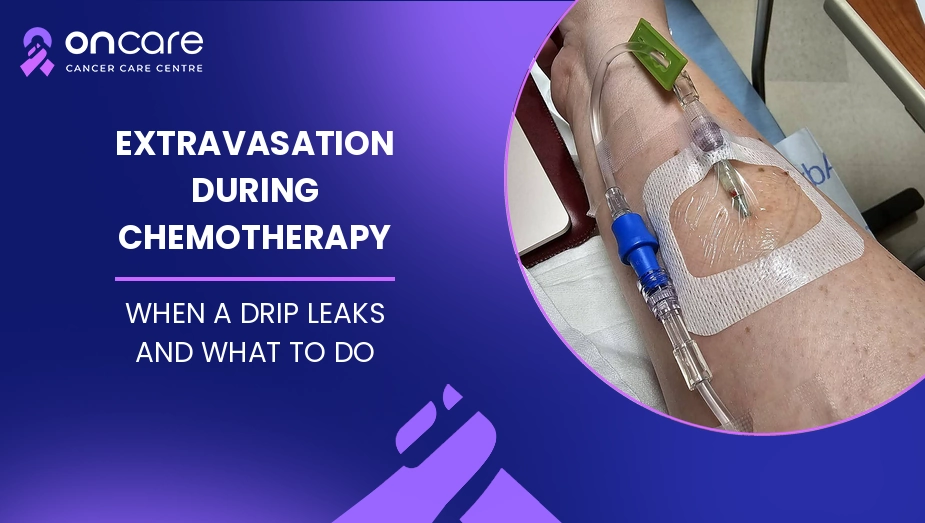
Extravasation during chemotherapy happens when a chemotherapy medicine accidentally leaks out of a vein or IV line into the nearby tissue instead of staying inside the vein. Some chemotherapy drugs can irritate or damage tissue, so suspected extravasation needs to be treated quickly. The first step is to stop the infusion and alert the healthcare team immediately. The team will assess the area, try to remove any medicine left around the IV line, and use drug-specific treatment when needed.
Extravasation is uncommon, but it is an important complication that chemotherapy patients and healthcare teams should know about. The signs may include pain, burning, swelling, redness, leakage, or changes in skin colour around the IV site.
In this blog, we explain what chemotherapy extravasation means, how to recognise it, what the medical team does, which factors increase the risk, and what patients should do during an infusion.
What Is Chemotherapy Extravasation?
During chemotherapy, medicines may be given through a small IV line placed into a vein. Normally, the medicine travels through the bloodstream. Extravasation occurs when the medicine accidentally escapes from the vein and enters the surrounding tissue.
Not every chemotherapy medicine causes serious tissue injury when it leaks. Some medicines are mainly irritants, while others are called vesicants because they can cause more serious tissue damage. The risk depends on the specific medicine, the amount that leaks, and how quickly the problem is recognised and treated.
What Are the Signs of Extravasation?
Extravasation can sometimes be noticed while the chemotherapy is being given. Patients should tell the nurse immediately if something feels unusual around the IV site.
Possible signs include:
- Burning, stinging, or pain around the IV
- Swelling or puffiness
- Redness or changes in skin colour
- Skin that feels unusually tight or cool
- Leakage of fluid around the IV site
- Reduced or no blood return from the IV line
- Blistering or skin changes that develop later
Pain and swelling are important warning signs, but extravasation can sometimes occur without severe pain at first. This is why the infusion site is monitored during treatment.
If you experience pain, burning, swelling, or any unusual feeling during chemotherapy, do not wait to see if it goes away. Tell the nurse immediately.
For more information about common chemotherapy reactions, you can also read our blog on chemotherapy side effects.
What Should You Do If You Suspect Extravasation?
The most important thing for a patient is to tell the healthcare team immediately.
Do not try to remove the IV line yourself or rub the affected area. The medical team needs to assess the medicine involved and follow the correct treatment procedure.
Current oncology guidance recommends that when extravasation is suspected, the infusion should be stopped immediately. The IV access is generally left in place initially so that healthcare professionals can try to withdraw any medicine remaining around the site. The line should not be flushed because flushing can push more of the drug into surrounding tissue.
What Will the Healthcare Team Do?
Once extravasation is suspected, the healthcare team will quickly assess the IV site and identify the chemotherapy drug involved.
The usual steps may include:
- Stop the chemotherapy infusion.
- Leave the IV device in place initially so any remaining medicine can be aspirated.
- Aspirate, meaning gently withdraw remaining medicine with a syringe.
- Assess and measure the affected area.
- Follow the treatment recommended for that particular chemotherapy drug.
- Document and monitor the affected area.
The exact treatment depends on the drug. Some chemotherapy medicines have specific antidotes or require a particular type of warm or cold compress. This is why patients should not apply ice, heat, creams, or other treatments on their own unless the medical team tells them to do so.
Extravasation: Important Signs and Immediate Response
The table below lists what a patient may notice at the IV site and what should be done in each case.
What you may notice | What you should do |
|---|---|
Burning or stinging | Tell the nurse immediately |
Pain at the IV site | Stop and report it to the healthcare team |
Swelling | Do not rub the area; alert the team |
Redness or skin colour change | Allow the team to assess it |
Fluid leaking around the IV | Tell the nurse immediately |
No blood return from the IV | Alert the healthcare team |
Blistering or worsening skin changes | Seek prompt medical assessment |
Early reporting is important because treatment can depend on the specific drug and how quickly the problem is recognised.
Why Can Extravasation Be Serious?
Some chemotherapy medicines can damage healthy tissue if they escape from the vein. Depending on the medicine, this may cause inflammation, pain, skin injury, blistering, or tissue damage. In severe cases, the injury can take a long time to heal and may require specialist or surgical care.
The severity is influenced by several factors, including the type and amount of medicine that leaked, the location of the IV, and how quickly treatment begins.
The good news is that chemotherapy is normally administered by trained healthcare professionals who monitor the infusion site and are prepared to respond if extravasation is suspected.
Which Patients May Have a Higher Risk?
Extravasation can happen even when an IV has been placed correctly. However, certain factors can make IV access more difficult or increase concern about tissue injury.
These may include:
- Fragile or small veins
- Multiple previous IV treatments
- Difficulty obtaining reliable IV access
- Reduced sensation in the treatment area
- Certain types of IV or central access devices
- Medicines that are known to cause tissue injury if they leak
Your oncology team will decide whether a peripheral IV, port, or another type of vascular access is appropriate for your treatment.
How Is Extravasation Treated?
There is no single treatment that works for every chemotherapy drug. Management depends on the medicine involved.
For some drugs, a cold compress may help limit the spread of the medicine. For certain other drugs, a warm compress may be recommended. Some medicines have specific antidotes that can reduce tissue injury when given appropriately.
Healthcare professionals may also:
- Monitor the skin and affected area over time
- Give medicines for pain when needed
- Arrange specialist or surgical review for significant injuries
- Provide wound care if skin damage develops
Patients should follow the instructions given by their cancer team after leaving the treatment centre.
What Happens After Extravasation?
Some injuries may be mild and improve with treatment, while others can take longer to develop. Skin changes may not always appear immediately, so follow-up is important.
Your healthcare team may ask you to monitor the area and report increasing pain, swelling, redness, blistering, skin breakdown, or other changes.
Do not apply creams, massage the area, or use heating or cooling treatments unless your medical team specifically recommends them.
If you have questions about managing chemotherapy side effects at home, you can also read our blog on managing cancer treatment side effects.
How Can Patients Help Prevent Problems?
Patients cannot completely prevent extravasation, but they can help the healthcare team recognise a problem early.
During chemotherapy:
- Tell the nurse immediately about burning, pain, stinging, or swelling.
- Avoid covering the IV site so you and the healthcare team can see it.
- Do not ignore a new or unusual feeling around the IV.
- Follow instructions about moving the arm during the infusion.
Early reporting does not mean that something serious has definitely happened. It simply allows the team to check the IV and respond quickly if needed.
If you want to read more about prevention and management of chemotherapy extravasation, you can visit the National Library of Medicine.
Consult Today
Extravasation during chemotherapy is uncommon, but some chemotherapy medicines can cause serious tissue injury if they leak outside a vein. The most important step is to report pain, burning, swelling, redness, or other unusual changes around the IV site immediately. The healthcare team can then stop the infusion, assess the area, remove any remaining medicine when appropriate, and provide drug-specific treatment.
At Oncare Cancer Hospital, chemotherapy is delivered with medical monitoring and supportive care to help patients manage treatment safely. Our cancer specialists and treatment team can guide patients through chemotherapy, possible side effects, and the steps to take if an unusual reaction occurs.
Disclaimer
This information is for educational purposes only and does not constitute medical advice, diagnosis, or treatment. Always discuss decisions about chemotherapy, IV access, or any treatment-related reaction with a certified cancer healthcare provider.





Frequently Asked Questions
Extravasation happens when chemotherapy leaks from the vein into the surrounding tissue instead of staying inside the vein.
Tell the nurse immediately. The chemotherapy infusion should be stopped and the IV site assessed by the healthcare team.
No, do not rub or massage the area. The healthcare team should manage the site according to the specific chemotherapy drug involved.
Some chemotherapy drugs can cause significant tissue injury, but early recognition and appropriate treatment can help reduce the risk and severity of complications.
Written and Verified by:
Dr. Gajendra Kumar Himanshu Exp: 10 Yr
Medical Officer
Book an Appointment
Related Blogs
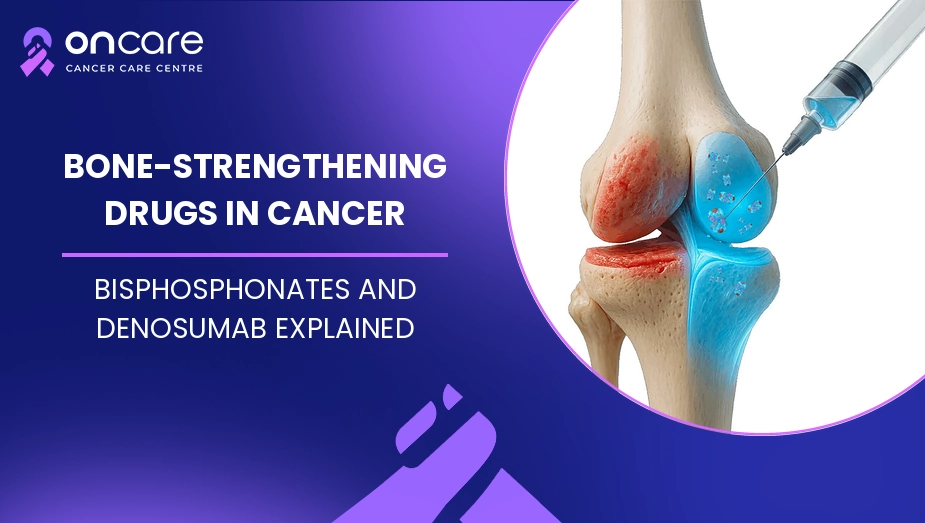
Bone-Strengthening Drugs in Cancer: Bisphosphonates and Denosumab Explained
Learn about bone-strengthening drugs in cancer, including bisphosphonates and denosumab, side effects, dental precautions, and monitoring at Oncare Cancer Hospital.
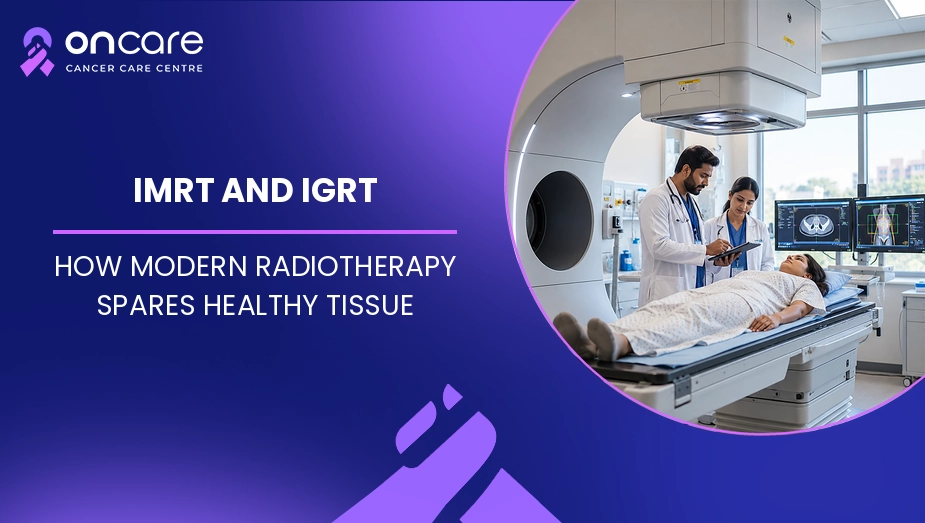
IMRT and IGRT: How Modern Radiotherapy Spares Healthy Tissue
Learn the difference between IMRT and IGRT, how they work, their benefits, side effects, and role in precise cancer radiation treatment at Oncare Cancer Hospital.
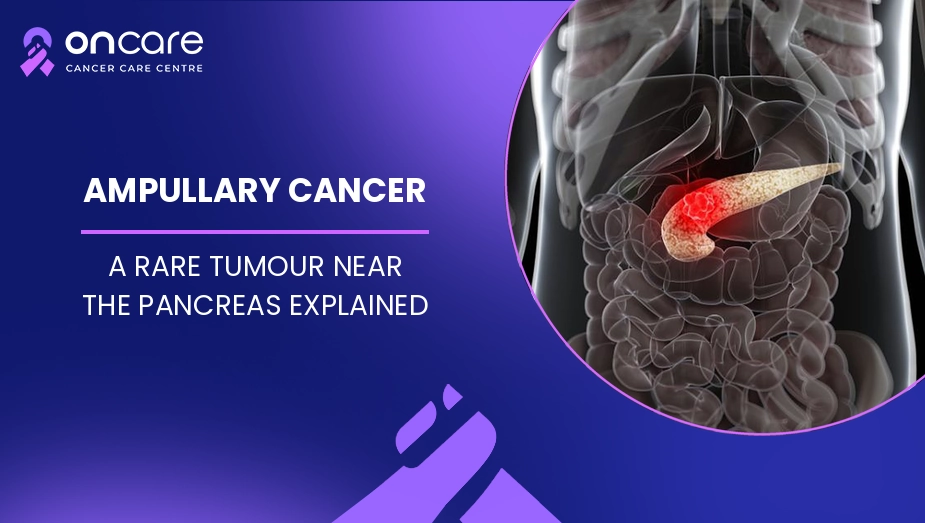
Ampullary Cancer: A Rare Tumour Near the Pancreas Explained
Learn about ampullary cancer, its symptoms, causes, diagnosis, Whipple surgery, treatment options, and recovery, with expert cancer care at Oncare Cancer Hospital.