Table of Contents
Recovery After Stomach Cancer Surgery: Eating and Nutrition Tips
By Dr. Gajendra Kumar Himanshu


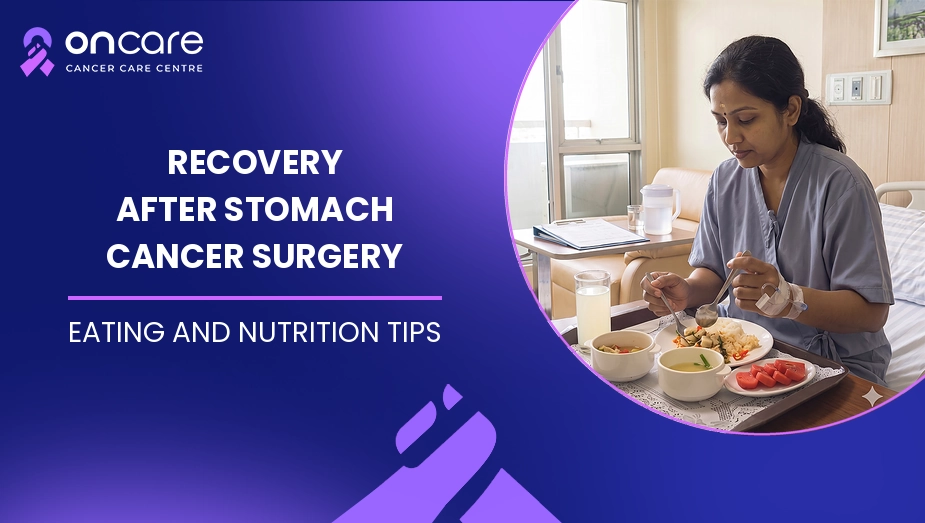
Recovery after stomach cancer surgery depends not only on the healing of the operation but also on the appropriate diet and nutrition plan. Small, frequent meals, adequate protein, good hydration, vitamin supplementation when necessary, and a gradual progression of the diet can help support healing, maintain weight, improve energy levels, and lessen digestive discomfort during recovery.
In this blog, we discuss what to expect after surgery, how your diet will change during recovery, healing foods, eating habits to help improve digestion, and practical nutrition tips to help you regain strength safely.
Why Is Nutrition Important Following Stomach Cancer Surgery?
Surgery for stomach cancer changes how your digestive system works. Depending on how much of your stomach has been removed, your body may digest food differently and absorb fewer nutrients.
Your body needs extra calories, protein, vitamins, and minerals during recovery to heal surgical wounds, build tissues, keep muscle mass, and strengthen your immune system. At the same time, eating large meals may become uncomfortable, so it's vital to choose foods that give good nourishment without overwhelming your digestive system.
A carefully planned diet can help to reduce common digestive problems, improve recovery and help patients to return to normal activities with more confidence.
What to Expect When Eating After Stomach Cancer Surgery
Appetite and digestion often vary in the first several weeks after surgery for many people. You may feel full quickly, consume smaller meals, and notice taste changes as your digestive system adapts.
The rate at which food moves through the digestive tract may also change. This is especially true after the removal of a large portion or all of the stomach. Some people have nausea, bloating, diarrhoea, or a condition called dumping syndrome, in which food passes too quickly into the small intestine.
These alterations tend to improve over time, but recovery is different for everyone. Your surgeon and dietitian will give you a meal plan based on the kind of surgery you had and your nutritional needs.
What to Eat During Recovery?
The idea is to give your body lots of nutrients and keep your meals simple to digest.
Food Group | Suggested Options |
|---|---|
Protein | Eggs, fish, lean chicken, tofu, Greek yoghurt, fully cooked lentils |
Whole grains | Oatmeal, soft rice, whole-wheat porridge, soft cereal |
Fruits | Banana, papaya, stewed apple, ripe pear |
Vegetables | Well-cooked carrots, pumpkin, spinach and potatoes |
Healthy fats | Avocado, olive oil, nut butters (use in moderation) |
Fluids | Water, soups, coconut water (if recommended), oral nutrition drinks |
As you continue to heal, your healthcare team may slowly allow you to introduce more foods to your diet.
Eating Habits That Help Healing
Healthy eating habits are as important as the food you choose after stomach cancer surgery.
Eat Small, Frequent Meals
Most patients can tolerate five to six smaller meals a day rather than three large meals. Less food at a time is easier for your digestive system and helps you keep your calorie intake up.
Chew Your Food Well
Smaller bites and thorough chewing can aid digestion and may help to prevent bloating or discomfort after eating.
Drink Plenty of Fluids
Drink lots of fluids throughout the day, although your health care team may tell you not to drink large volumes of fluid with meals if it makes you feel full or if you have dumping syndrome.
Make Protein a Priority
Protein aids in wound healing and helps sustain muscle mass during recovery. Adding a protein source to each meal can enhance the nutrition you receive.
Foods That Can Be Difficult to Tolerate
Some foods may aggravate digestive issues temporarily during healing.
These can include:
- Greasy or fried foods
- Very spicy food
- Ultra-processed foods
- Carbonated drinks
- Sugary desserts and sugary drinks
- Alcohol
- Large amounts eaten at one time
Later on, many patients can start to reintroduce some of these items, depending on their recovery and medical recommendations.
Managing Common Digestive Problems
Digestive symptoms are common after stomach cancer surgery, but many are manageable with changes in diet.
Feeling Full Too Quickly
Eat small amounts of nutrient-dense foods and eat more often throughout the day.
Dumping Syndrome
You can ease symptoms by eating slowly, avoiding sugary foods, and following your health care team's diet recommendations to help reduce symptoms like dizziness, sweating, abdominal cramps, and diarrhoea after meals.
Weight Loss
If you find it difficult to maintain your weight, your dietitian may advise you to eat high-protein snacks, oral nutritional supplements, or calorie-rich foods that are easier to digest.
Do You Need Vitamin Supplements?
After part or all of the stomach is removed, the body may have trouble absorbing some nutrients.
Your health care provider may check your levels of vitamin B12, iron, calcium, vitamin D, and folate. Some patients will need to take lifelong vitamin B12 supplements after a total gastrectomy, and some will need other nutritional supplements depending on the blood test results.
Always consult with your healthcare team before you begin any supplements.
Working With a Dietitian
The type of surgery, recovery, body weight, and continuing cancer treatment will determine nutritional needs.
A registered dietitian can help you develop a personalised meal plan, monitor any weight changes, recommend nutritional supplements if needed, and help you adjust your diet if you have any digestive symptoms.
Regular nutritional follow-up is essential for long-term recovery after stomach cancer surgery.
Recovery Is a Process
Stomach cancer surgery recovery is a gradual process. Most patients initially have changes in appetite and digestion, although many symptoms improve as the body adapts over the next few months.
Following your surgeon's instructions, attending follow-up appointments, and eating healthy food will help you recover from your surgery and enhance your overall quality of life.
If you want to read more about cancer treatment, then you can visit the official website of the National Cancer Institute.
Consult Today
If you or someone you love is recovering from surgery for stomach cancer and has trouble eating or nutritional problems, talking with an expert oncology team can help make your recovery more comfortable. At Oncare Cancer Hospital, our specialists and professional dietitians offer personalised nutrition assistance to support healing, preserve strength and improve quality of life during recovery.
Disclaimer
This article is for informational purposes only and is not a substitute for professional medical advice, diagnosis, or treatment. How you recover from surgery for stomach cancer depends on the type of surgery, your overall health, and your individual nutritional needs. Always follow the instructions of your surgeon, oncologist, and qualified dietitian regarding your food, supplements, and recovery plan. Don't make any major adjustments to your diet without checking with your health care provider.





Frequently Asked Questions
Recovery is different for each patient. Most people advance to soft meals and then conventional foods slowly, depending on their surgeon's advice and their recovery status.
The stomach may not accommodate as much food or may empty differently after surgery, which can cause early fullness. Smaller, more frequent meals are usually helpful.
Some patients need supplements, specifically vitamin B12, following removal of the whole stomach. Your healthcare provider will advise you on supplements based on your nutritional status and blood tests.
In the early stages of recovery, many patients are told to stay away from fried foods, sugary foods, alcohol, carbonated drinks, and particularly spicy foods; however, recommendations differ from person to person.
Written and Verified by:
Dr. Gajendra Kumar Himanshu Exp: 10 Yr
Medical Officer
Book an Appointment
Related Blogs

Types of Cancer Immunotherapy: Checkpoint Inhibitors, Vaccines and More
Cancer immunotherapy is a form of treatment that helps the body's immune system to better recognise and fight cancer cells. Types of cancer immunotherapy include checkpoint inhibitors, cancer vaccines, CAR-T cell therapy, monoclonal antibodies, cytokine therapy, and immune cell therapies. The best choice relies on the type of cancer, how far it has grown, its genetic features, and the general health of the patient.
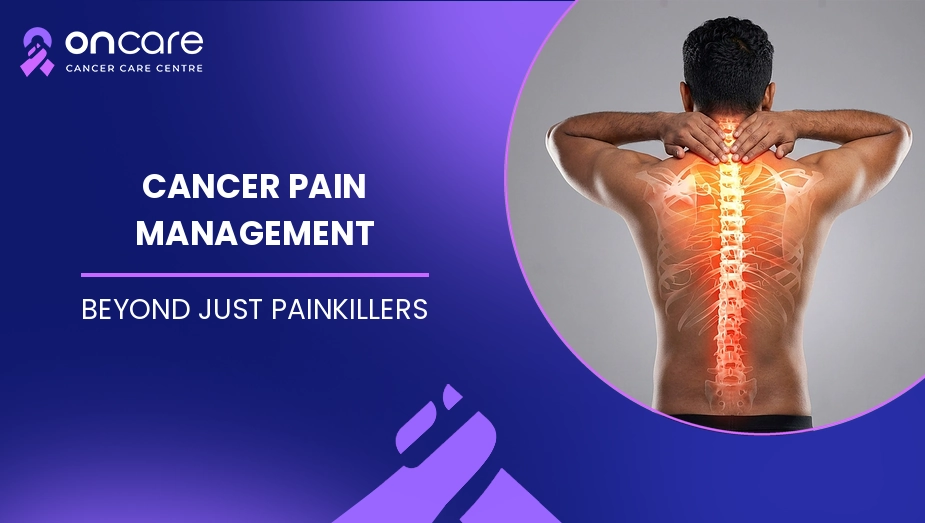
Cancer Pain Management: Beyond Just Painkillers
Managing cancer pain includes more than simply taking pills. Depending on the source and severity of pain, doctors can combine drugs with other treatments like radiation therapy, nerve blocks, physical therapy, psychological support, and palliative care. A specific pain management plan can help with comfort, everyday functioning, sleep, and overall quality of life during cancer treatment.
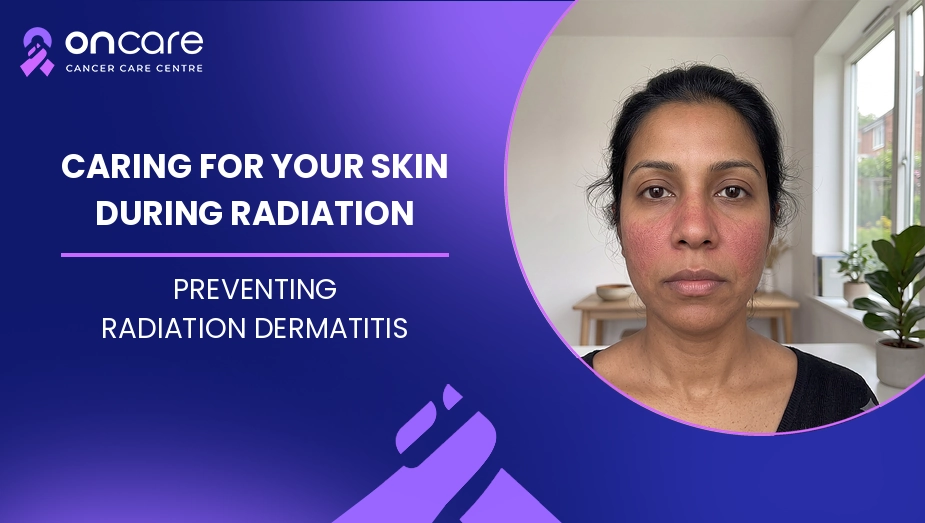
Caring for Your Skin During Radiation: Preventing Radiation Dermatitis
Caring for your skin during radiation is a vital element of cancer treatment since radiation can harm healthy skin cells as well as cancer cells, causing radiation dermatitis. Skin care during treatment may assist to decrease discomfort and help your skin heal by not irritating the treated area, using moisturisers advised by your doctor, and reporting skin changes early.