Table of Contents
Caring for Your Skin During Radiation: Preventing Radiation Dermatitis

By Dr. Gajendra Kumar Himanshu


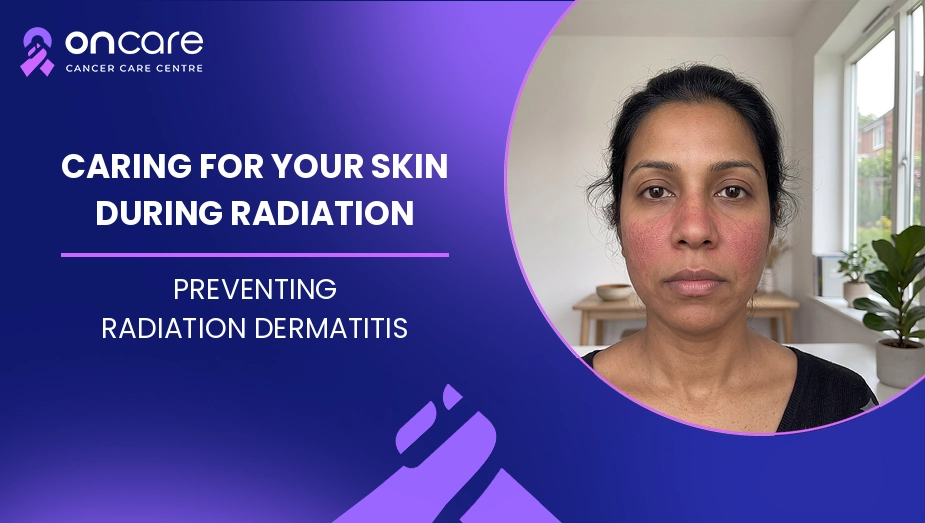
Caring for your skin during radiation is a vital element of cancer treatment since radiation can harm healthy skin cells as well as cancer cells, causing radiation dermatitis. Skin care during treatment may assist to decrease discomfort and help your skin heal by not irritating the treated area, using moisturisers advised by your doctor, and reporting skin changes early.
In this blog, we cover why radiation affects the skin, typical symptoms, practical skincare recommendations, when to seek medical guidance and how appropriate skin care can help you be more comfortable during treatment.
Why You Should Take Care of Your Skin During Radiation Therapy
Radiation therapy is a good way to treat many cancers, but it can also harm the healthy skin in the area being treated. Radiation can kill the cancer cells, but it can also damage the normal skin cells temporarily, which might increase the sensitivity of the skin over time.
Most patients notice changes such as redness, dryness, itching or pain after a few therapy sessions. Such reactions are termed radiation dermatitis. Skin reactions are usually transient, and good skin care can assist in lessening discomfort, decreasing the risk of infection and allowing therapy to continue with fewer pauses.
Learning how to care for your skin before, during and after radiation therapy is a crucial part of your overall cancer care.
What Is Radiation Dermatitis?
Radiation dermatitis is a skin response that occurs after radiation therapy. It only occurs in the area of the body being treated with the radiation and can range from minor redness to more severe irritation, depending on the dose of treatment, the section of the body being treated and the individual's skin sensitivity.
Symptoms usually develop gradually during the course of treatment and not immediately after the first session. In many cases the skin begins to heal within a few weeks after radiation therapy is completed.
Common Signs and Symptoms
Radiation dermatitis can look different and vary in intensity from person to person. Some people have very minimal discomfort, but others may experience noticeable changes in the skin.
Symptom | What You Might See |
|---|---|
Skin redness | The treated area of skin may be pink or red. |
Dryness | Your skin may feel rough, flaking, or tight. |
Itching | Mild to moderate itching may develop with irritation of the skin. |
Tenderness | The treated area may be painful or tender to touch. |
Peeling | Later phases can result in dry or wet peeling in some persons. |
Darkening of the skin | Temporary skin darkening may be noticed following therapy. |
Report any significant pain, blistering, or symptoms of infection to your radiation oncology team as soon as possible.
Tips for Skin Care During Radiation
Daily skin care is gentle, but it can help a lot to decrease irritation and to make treatment more comfortable.
Gentle Skin Cleansing
Rinse the affected area with lukewarm water and a mild, fragrance-free cleanser. Do not scrub the skin with washcloths or loofahs. Instead, pat the skin dry with a soft towel.
Use Moisturiser as Directed
Use only the moisturiser or lotion that your radiation oncology team recommends. Approved moisturisers used consistently can help to decrease dryness and preserve the skin's natural barrier.
Do not use any creams right before your radiation treatment unless your treatment team tells you it is okay to do so.
Loose and Soft Clothing
Wear loose cotton garments to avoid friction on the treated skin. Tight clothing, scratchy fabrics, and underwire apparel can lead to more irritation in sensitive regions.
Protect Skin from Sun Exposure
The skin that has been treated is more susceptible to the sun during and after radiation therapy. Cover the area with lightweight garments whenever feasible. If your doctor recommends sunscreen use, follow the directions once your treatment is completed or as appropriate.
Avoid Irritants
Do not use fragrances, items that include alcohol, strong soaps, adhesive tapes, heating pads, ice packs, or over-the-counter creams on the treatment area without first checking with your healthcare team.
What Should You Not Do?
Certain routines may aggravate radiation dermatitis and hinder healing.
Do not:
- Scratch itchy skin in the treated area
- Shave the treated area without your doctor's approval
- Use hot water directly on the treatment site
- Use herbal treatments without medical advice
- Wear tight or rough garments over the treatment area
Your radiation team knows the best way to protect your skin, so be sure to follow their directions.
When Should You Call Your Doctor?
Most skin reactions will improve with regular care, but some signs require prompt medical attention.
Contact your healthcare team if you notice:
- Intense discomfort or worsening swelling
- Open cuts or blisters
- Signs of infection or yellow drainage
- Fever along with skin changes
- Skin reactions that get worse fast or get in the way of normal activities
Getting treatment early can reduce complications and increase comfort.
Is Radiation Dermatitis Completely Preventable?
Not necessarily. Because radiation impacts healthy skin cells as part of the treatment, some degree of skin sensitivity is common. But diligent skin care, early reporting of symptoms, and regular follow-up with your radiation oncology team can often lessen the severity of radiation dermatitis.
As every patient's skin reacts differently, your care team may prescribe a customised skincare plan for you depending on the treatment area and your specific needs.
Learn more about radiation therapy and skin side effects on the National Cancer Institute website.
Consult Today
If you are getting ready for radiation therapy, or if you notice skin changes during treatment, you can safely manage your symptoms by talking with an experienced oncology team. Oncare Cancer Hospital specialists can guide you on skin care during radiation therapy and suggest supportive measures according to your treatment plan.
Disclaimer
This article is for informational purposes only and is not a substitute for professional medical advice, diagnosis, or treatment. Everyone reacts differently to radiation therapy, so you should always discuss skin reactions and treatment options with your radiation oncologist or healthcare team. Check with your medical provider before using any skin care products or home remedies during radiation treatment.





Frequently Asked Questions
Radiation therapy used to treat cancer can also harm the healthy skin cells in the treatment region, causing temporary skin irritation. This reaction is known as radiation dermatitis.
Yes, but only use products prescribed by your radiation oncology team. Some creams should not be used just before a radiation treatment session.
Mild skin changes can occur during treatment and continue to improve over a few weeks after radiation therapy is completed. Healing duration varies for each patient.
Call your health care professional if you get severe pain, blistering, open wounds, evidence of infection, or quickly worsening skin reactions.
Written and Verified by:
Dr. Gajendra Kumar Himanshu Exp: 10 Yr
Medical Officer
Book an Appointment
Related Blogs
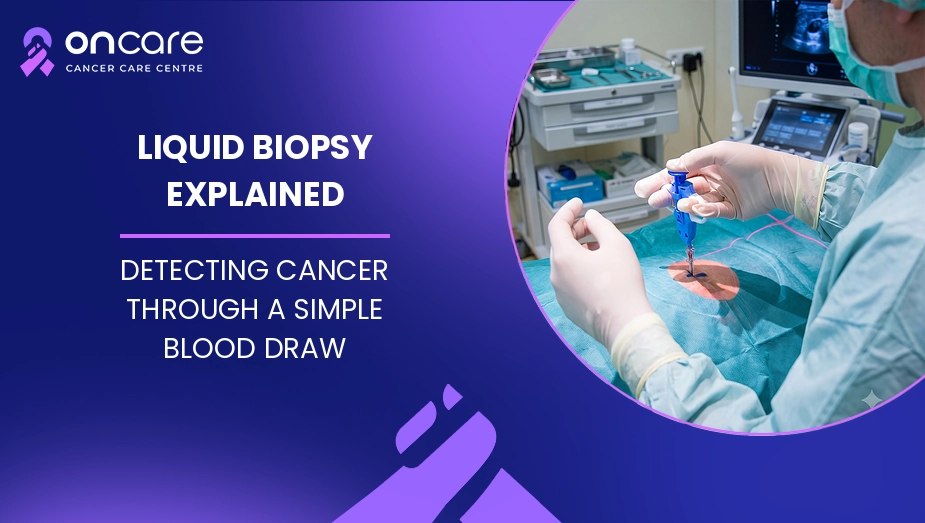
Liquid Biopsy Explained: Detecting Cancer Through a Simple Blood Draw
Liquid biopsy is an advanced diagnostic tool that identifies cancer-related genetic material or tumour cells from a simple blood draw. It is a minimally invasive technique that can be used in some malignancies for diagnosis, genotyping, monitoring treatment and recurrence detection, but it does not replace tissue biopsy in all cases.
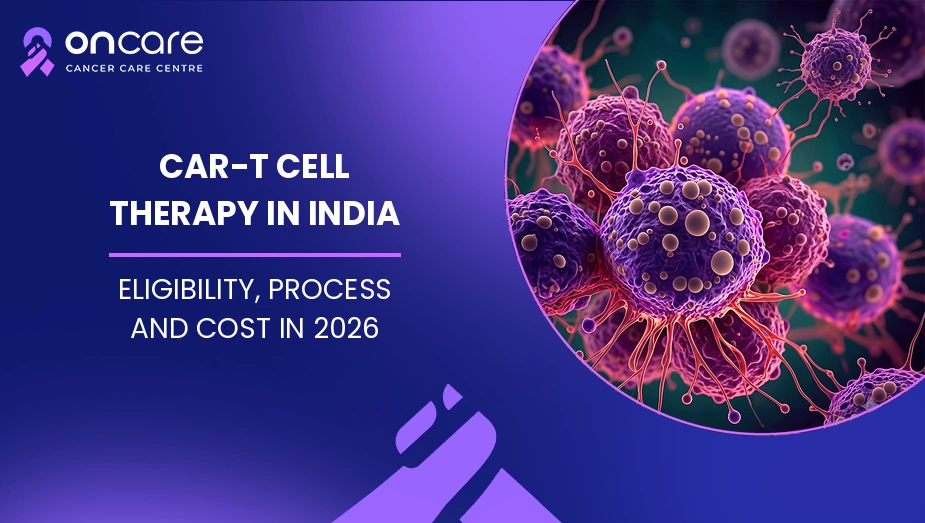
CAR-T Cell Therapy in India: Eligibility, Process and Cost in 2026
CAR-T Cell Therapy in India is a highly advanced immunotherapy that involves the collection of a patient's own T cells, genetically modifying them to recognise cancer cells and infusion back into the body. In 2026, it is used largely for selected relapsed or refractory blood malignancies, including certain B-cell lymphomas and acute lymphoblastic leukaemias.
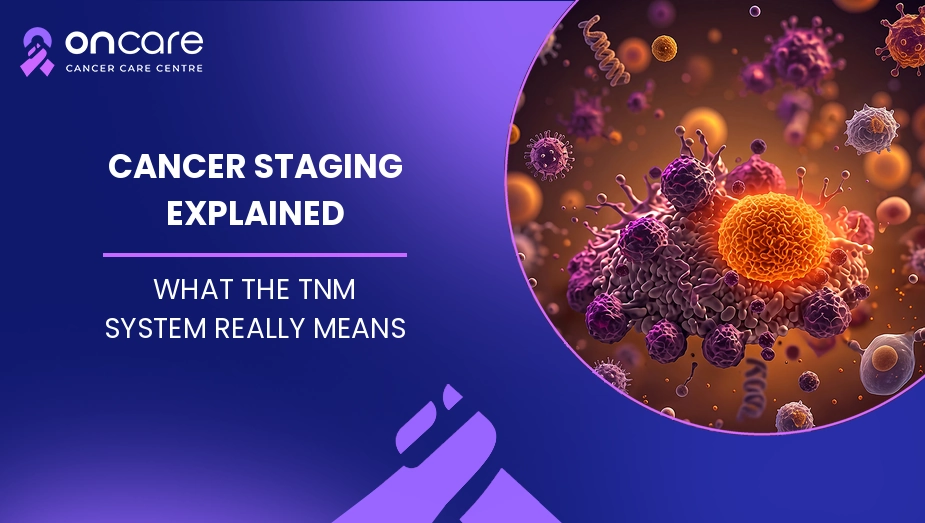
Cancer Staging Explained: What the TNM System Really Means
Stage refers to how much cancer has grown or spread in the body. The TNM system is the most extensively used staging system and lets doctors assess the size of the original tumour (T), if the lymph nodes are involved (N), and if the cancer has spread to distant organs (M).