Table of Contents
Recovery After Ovarian Cancer Surgery: What to Expect at Home

By Dr. Gajendra Kumar Himanshu


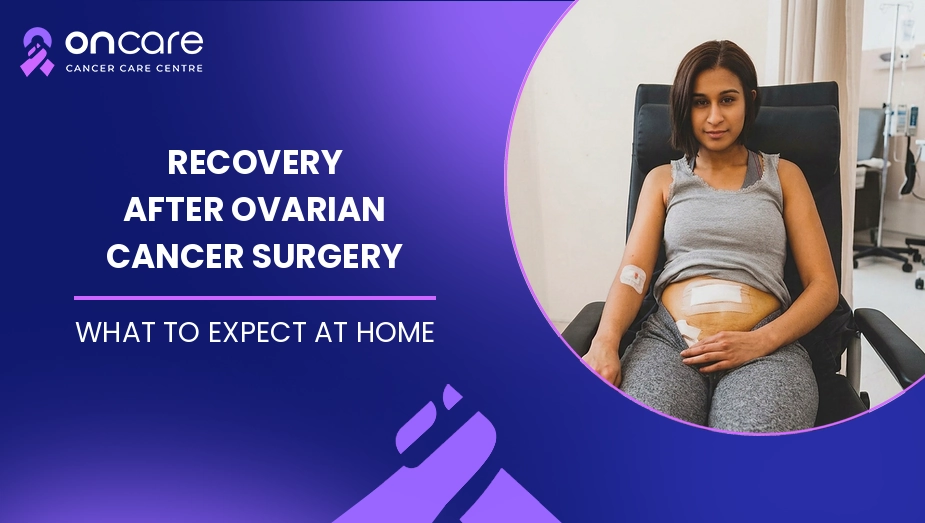
Recovery after ovarian cancer surgery is a lengthy process that looks different for each person. Although surgery is a crucial element of treatment, healing continues even after leaving the hospital. In the first few weeks at home, it is natural to feel weary, have some slight discomfort, modify your daily habits, and have emotional ups and downs.
Most patients recover strength slowly with rest, good nutrition, mild activity, and continuous follow-up care. Having an idea of what to expect in recovery may help ease uncertainties, make day-to-day life easier, and help patients and their families feel more confident as they go forward post-surgery.
In this blog, we’ll share what recovering at home after ovarian cancer surgery may look like, common physical and emotional changes, practical self-care advice, and when to contact your doctor team.
Understanding The Initial Weeks Post-Surgery
The first few weeks after surgery for ovarian cancer are usually spent recovering and slowly getting back to normal activities.
Many patients report:
- Less energy levels
- Tenderness or little pain around the incision
- Temporary appetite changes
- Difficulty getting around easily
- Emotional highs and lows
These experiences are often part of the regular healing process. Recovery takes time, and it’s crucial to be patient with yourself.
What Physical Changes Should You Expect?
Every surgery is different, and everybody heals differently. However, there are some common bodily changes that many patients feel upon coming home.
More Tired Than Usual
Feeling tired is one of the most typical components of healing. Your body uses a lot of energy to recover after surgery. Even the simplest everyday duties may feel more demanding than before. A lot of patients find it useful to:
- Take frequent breaks during the day
- Sleep well at night
- Avoid overworking yourself
- Increase activity levels slowly
Discomfort and Mild Pain
Some discomfort in the location of the surgery is normal during the recovery period. Your doctor may give you advice and medicines for pain control if you need them. Generally, pain should get better and not worse with time.
Alterations in Digestion
Some patients experience transient digestive alterations after surgery, such as:
- Gas
- Constipation
- Loss of appetite
- Feeling full fast
Smaller meals and staying hydrated may aid with recovery.
The Everyday Recovery Practical Guide
Day-to-Day Activities | Helpful Recovery Tips |
|---|---|
Take Short Walks | Start with small walks and build up gradually |
Eat a Healthy Diet | Eat well-balanced meals and drink lots of water |
Listen to Your Body | Listen to your body and don’t overdo it |
Care of the Wound | Follow your doctor’s instructions carefully |
Follow-up appointments | Keep all appointments |
How Light Activity Helps You Heal
Many people believe that total bed rest is ideal after surgery. But rest is crucial, and mild movement as part of your recuperation can frequently be helpful.
Begin Slowly and Gain Confidence
Some exercise may help:
- Enhance circulation
- Decrease stiffness
- Help with digestion
- Raise energy levels over time
Walking is usually one of the safest things to do during recuperation, but always follow the recommendations of your surgeon. Do not carry heavy objects or do strenuous activities until your doctor says it is okay.
Caring for Your Emotional Health
Recovery is more than physical. Many patients will experience a spectrum of emotions surrounding ovarian cancer surgery.
You might feel:
- Glad to get the surgery over with
- Nervous about therapy in the future
- Frustrated with short-term restrictions
- Unclear about recovery
It’s perfectly normal to feel this way.
Support might be:
- Relatives
- Friends
- Cancer support organizations
- Therapists
- Health care workers
By talking about issues openly, the healing process can seem less daunting.
When to Reach Out to Your Doctor Team
Most symptoms gradually improve during recovery. However, you should inform your doctor about certain changes. Contact your doctor if you notice these symptoms:
- Fever
- Worsening pain
- Visible redness surrounding the incision
- Abnormal swelling
- Repeated vomiting
- Shortness of breath
- Heavy bleeding
Reporting these changes early also enables doctor teams to be proactive about issues.
The Role of Nutrition
Your body requires nutrition to rebuild tissue and recover strength. Helpful nutrition habits could be:
- Protein foods
- Keeping hydrated
- Including fruit and veggies
- Eating smaller meals when the appetite is decreased
- Following any diet advice given to you by your doctor
Recovery nutrition should be individualized and based on medical advice.
The Importance of Post-Surgery Follow-Up Care
Surveillance visits are still an important aspect of ovarian cancer management. During these encounters, doctors might:
- Check on recovery
- Review pathologic findings
- Discuss future treatment if required
- Treat symptoms or concerns
- Answer questions concerning recovery
What happens next in therapy depends on several things, including your risk, family history, genetic testing results, overall health, and advice from your doctor.
Getting More from Trusted Sources
Reliable information helps patients and families better understand their treatment and recovery options.
The National Library of Medicine offers evidence-based, trusted educational resources on ovarian cancer treatment and survivorship for patients and caregivers.
Looking Ahead One Step At A Time
Recovery after ovarian cancer surgery is rarely a straight line. Some days seem easier than others, and improvement is often sluggish.
Taking it one step at a time, remaining in touch with your doctor team, and allowing your loved ones to help you can make the road to recovery easier. Healing is a process that takes time and is unique for each person.
Consult Today
Ovarian cancer surgery recovery includes physical and emotional rehabilitation. Fatigue, soreness, and short-term disruption to normal life are frequent, but with good care and support, many patients eventually recover their strength and confidence. Recovering is easier if you stick to your doctor’s orders, go to follow-ups, live healthy, and ask questions when you have them. Treatment and recovery decisions should always be based on individual risk, family history, genetic testing results, overall health, and the advice of your doctor.
Oncare Cancer Hospital is a trusted name for expert guidance, comprehensive cancer care, and compassionate support during treatment and recovery, committed to supporting patients and families at every stage of their cancer journey.





Frequently Asked Questions
Recovery times vary from patient to patient, but most may require a few weeks to regain their strength and resume normal activities gradually.
Yes. Fatigue is fairly typical as your body utilizes energy to repair after surgery.
If you have a fever, worsening pain, unusual swelling, heavy bleeding, or other symptoms of concern, you should call your doctor.
Gentle walking is suggested in many circumstances during recuperation, but always follow the directions of your doctor.
Written and Verified by:
Dr. Gajendra Kumar Himanshu Exp: 10 Yr
Medical Officer
Book an Appointment
Related Blogs
Who Is the Top Ovarian Cancer Doctor in Bengaluru? Complete Guide
Find the Top Ovarian Cancer Doctor in Bengaluru at Oncare Hospital for expert care, advanced treatments, and compassionate support for ovarian cancer patients.

Causes of Ovarian Cancer: Every Woman Should Know
Learn the key causes of ovarian cancer, including genetics, age and lifestyle factors. Stay informed, detect early signs, and get expert care at Oncare Hospital.
Does PCOS Lead to Ovarian Cancer? The Facts You Need to Know
Learn the facts about PCOS and ovarian cancer. Understand the small risk and steps to stay healthy. Regular checkups and lifestyle changes can lower your risk.
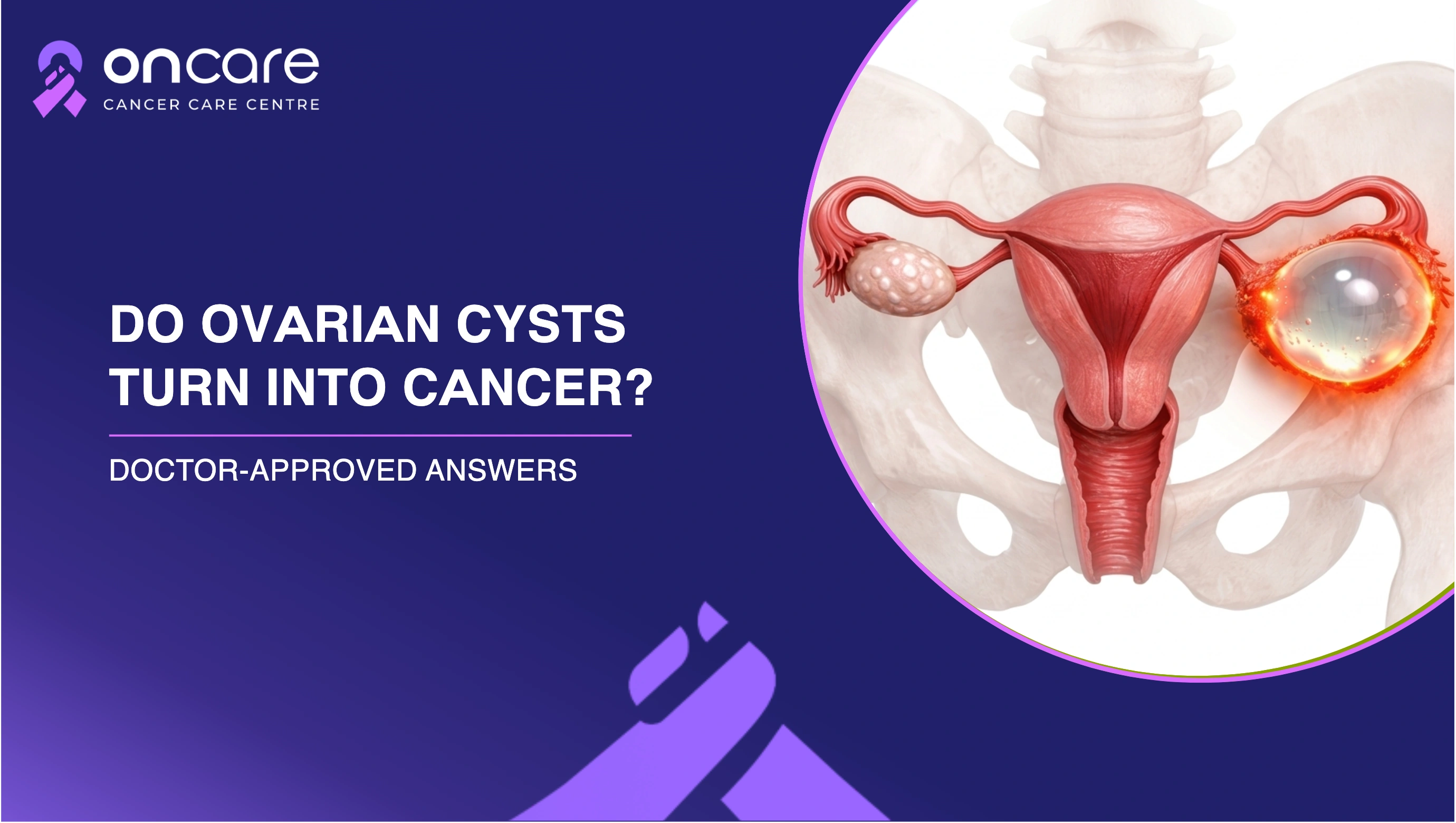
Do Ovarian Cysts Turn Into Cancer? Doctor-Approved Answers
Can ovarian cysts cause cancer? Learn what ovarian cysts are, when they are harmless, cancer risk factors, diagnosis, and treatment options in simple terms.