Table of Contents
Recovery After Lung Cancer Surgery: Breathing, Activity and Home Care

By Dr. Gajendra Kumar Himanshu


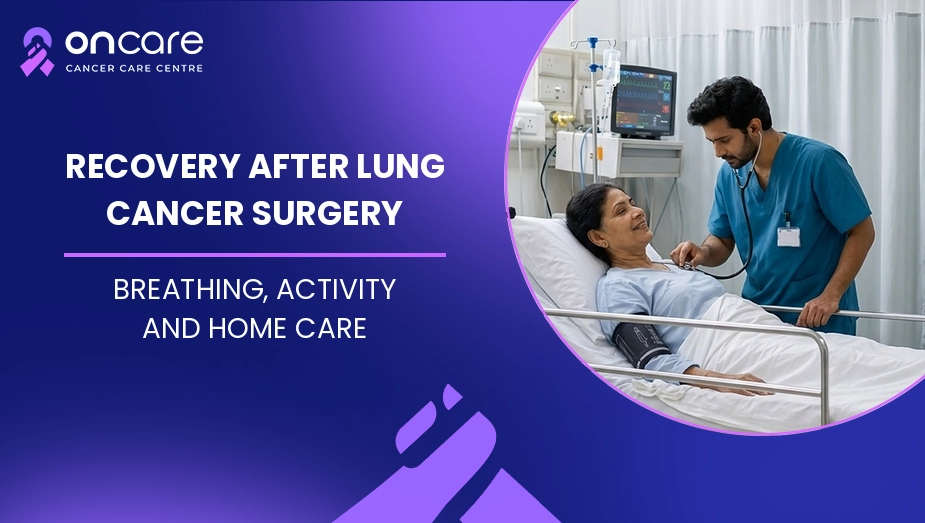
Recovery from lung cancer surgery is an important aspect of the healing process. It can take weeks or months after leaving the hospital. It is typical to feel weary, have some soreness in the surgery area, have changes in breathing, and have a gradual return to everyday activities. Many individuals ask when they will get better, when their breathing will improve, and what they may safely do at home.
While each person’s experience is unique, most patients find that adequate rest, breathing exercises, light activity, decent nutrition, and regular follow-up care help them recover. Knowing what to expect during recovery will help patients and families feel more prepared, reduce anxiety, and encourage a smoother transition back to regular life.
In this blog, we’ll describe what recovery after lung cancer surgery may include, how your breathing changes as you heal, the part played by physical exercise, and practical home care advice that may help to assist recovery.
First Weeks Post Surgery: What to Expect
The first few weeks after lung cancer surgery are mostly spent recovering and restoring your strength.
Many patients have:
- Fatigue or tiredness
- Local soreness at the site of the incision
- Shortness of breath with activity
- Reduced endurance
- Temporary alterations in sleeping habits
Recovery is often a gradual process. It can take time, and some days may feel easier than others.
Why Breathing After Surgery May Feel Different
Breathing changes are common after lung surgery. This is a normal component of rehabilitation. The lungs and surrounding tissues require time to recover. Depending on the type of operation, breathing may feel different for a period of time.
Typical Changes in Breathing During Recovery
Patients may see:
- Shortness of breath with exertion
- Requiring longer breaks between activities
- Slight chest tightness
- Intermittent coughing
With healing, symptoms tend to improve, but every recovery is different.
The Significance of Breathing Exercises
Breathing exercises are routinely recommended following surgery by doctors and physiotherapists. These exercises could help:
- Open the lungs
- Increase airflow
- Reduce the chance of problems
- Restore lung function
Follow the breathing program given by your healthcare team.
Getting Back to Physical Activity Gradually
Exercise is crucial during the recovery process, but it should be started gradually. Many people worry that exercising after surgery could cause harm. In reality, engaging in light movement under the supervision of a medical professional generally aids recovery.
Walking Is Often a Good Starting Point
Walking can help:
- Boost circulation
- Support lung function
- Decrease stiffness
- Gradually increase energy levels
Start with modest distances and slowly increase your activity as your doctor advises.
Things That Might Have to Wait
In the early recovery period, doctors may advise that you avoid:
- Heavy yard work
- Vigorous exercise
- Hard work in the home
- Activities that cause great distress
How long these restrictions last varies with the procedure performed and your recovery.
Your Home Recovery Plan: Daily Activities and Care Tips
Everyday Activity | Useful Recovery Tip |
|---|---|
Breathing exercises | Follow the practice indicated by your health care team |
Walking | Start with small walks and build up gradually |
Rest | Take pauses if needed, and do not overtire yourself |
Nutrition | Have healthy meals and drink water |
Follow-up care | Keep all planned appointments |
How to Care for Your Surgical Incision
Proper wound care is a vital element of healing. Follow your doctor’s recommendations about:
- Cleaning the incision site
- Signs of infection to look for
- Rules for bathing and showering
- Restrictions on activity
If you detect increased redness, unusual discharge, increased pain, or other concerning changes, call your doctor.
Nutrition Supports Healing
A good diet enables the body to repair tissues and to build strength. Good habits could include:
- Foods rich in protein
- Adequate fluid intake
- Vegetables and fruits
- Eating smaller meals if appetite is low
- Following any dietary advice from your doctor
Recovery nutrition should always be individualised to the needs of the individual.
Healing Involves Emotional Recovery
Recovering from surgery for lung cancer is not only physical. Many patients feel emotions like:
- Post-treatment relief
- Concerns about recovery
- Frustration with temporary limits
- Uncertainty over future appointments
These are reasonable and understandable feelings.
Support may be provided by:
- Relatives
- Friends
- Support groups
- Counsellors
- Healthcare professionals
Sharing your problems might make the process of healing seem more possible.
When to Call Your Doctor
Most signs of recovery improve gradually. However, some symptoms should be reported immediately. Contact your healthcare team if you experience these symptoms:
- Fever
- Increasing difficulty breathing
- Worsening pain
- Persistent chest pain
- Signs of infection around the incision
- Heavy bleeding
- Coughing that worries you
Early communication allows healthcare professionals to address any problems promptly.
The Value of Follow-Up Care
Regular follow-up sessions allow doctors to check on recovery and general health. At these appointments, doctors can:
- Evaluate healing progress
- Test breathing function
- Review imaging and test results
- Discuss future treatment plans as required
- Answer questions about recovery
Long-term care planning involves a number of factors, including an individual’s risk, family history, findings of any genetic testing, overall health, and advice from a doctor.
Read More From Trusted Sources
Reliable information helps patients and their families learn more about recovery following lung cancer therapy.
The National Cancer Institute offers credible educational material on lung cancer treatment and survivorship for patients and caregivers.
One Step at a Time
Patience matters in the recovery process following lung cancer surgery. Changes in respiration, strength, and everyday function are frequently slow rather than sudden.
Taking it one small step at a time, listening to your doctor, and giving yourself time to recover will help make the process more doable. Every rehabilitation journey is different, and you should track progress at your own speed.
Consult Today
Recovery from lung cancer surgery is both emotional and physical, and it is all part of the healing process. Changes in breathing, temporary weariness, and slow increases in activity are all usual. With proper home care, breathing exercises, good food, periodic follow-up appointments, and the support of their loved ones, many patients slowly regain strength and confidence. Always take into account individual risk, family history, genetic testing findings, overall health and the doctor’s recommendations while deciding on treatment and recovery.
Oncare Cancer Hospital is a trusted name for expert guidance, comprehensive cancer care, and compassionate support throughout treatment and recovery. The hospital is committed to helping patients and families through every step of their cancer journey.





Frequently Asked Questions
Recovery time varies from person to person; however, many people need many weeks or months to regain their strength and return to their normal activities.
You may have a little shortness of breath as you recover, but watch your symptoms and talk with your health care team.
Yes. Walking is typically advised as part of recuperation, although exercise should be increased in accordance with medical guidance.
Call your doctor if you develop a fever, worsening breathing problems, increased pain, evidence of infection or other worrisome conditions.
Written and Verified by:
Dr. Gajendra Kumar Himanshu Exp: 10 Yr
Medical Officer
Book an Appointment
Related Blogs
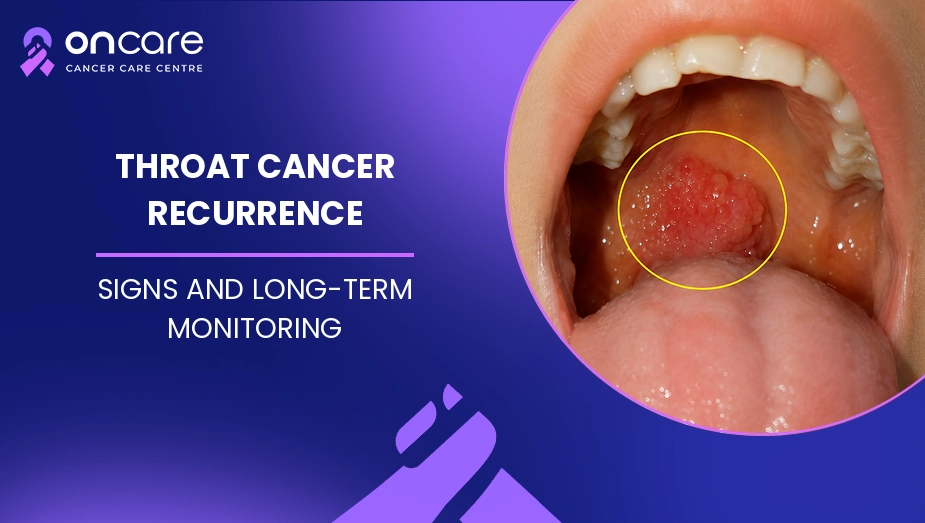
Throat Cancer Recurrence: Signs and Long-Term Monitoring
What throat cancer recurrence means, why it happens, the signs that need medical attention, the tests used during long-term monitoring, and how to look after your emotional well-being between appointments.

Skin Cancer and Melanoma Recurrence: Self-Checks and Monitoring
Why skin cancer and melanoma can return after treatment, how to carry out a skin self-examination at home, the ABCDE warning signs to watch for, and what follow-up monitoring usually involves.
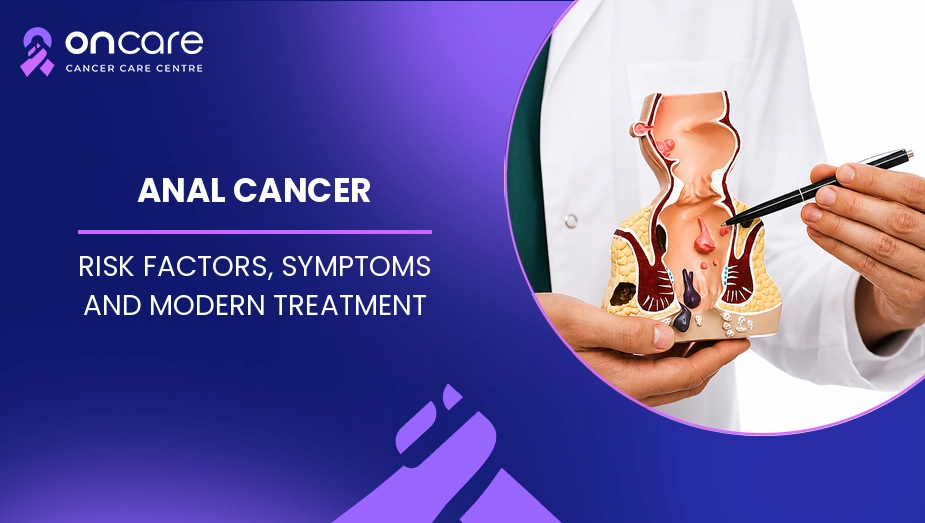
Anal Cancer: Risk Factors, Symptoms and Modern Treatment
What anal cancer is, the risk factors that raise the chance of developing it, the symptoms that should never be dismissed as haemorrhoids, when to see a doctor, and the modern treatment options available.
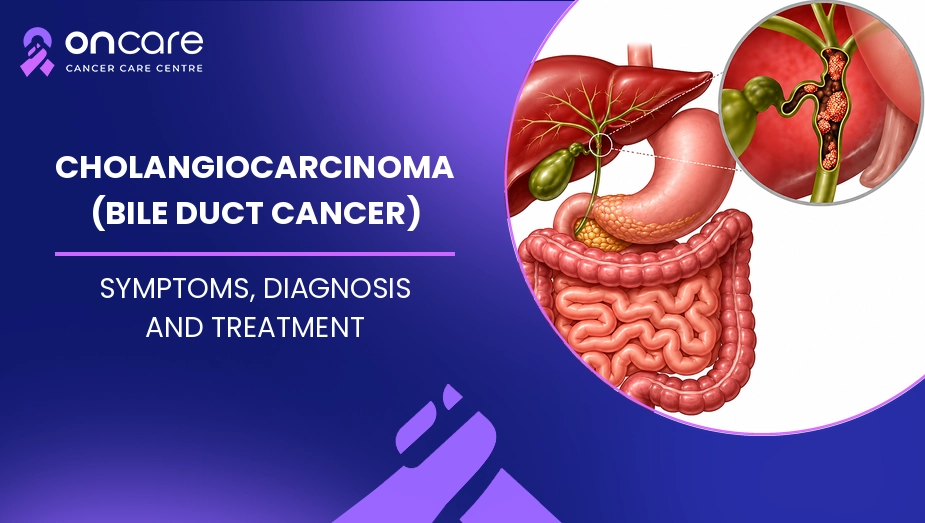
Cholangiocarcinoma (Bile Duct Cancer): Symptoms, Diagnosis and Treatment
Learn about cholangiocarcinoma symptoms, diagnosis, treatment options, and care. Get expert cancer treatment support from Oncare Cancer Hospital.