Table of Contents
Probiotics and Gut Health for Cancer Patients on Chemotherapy

By Dr. Gajendra Kumar Himanshu


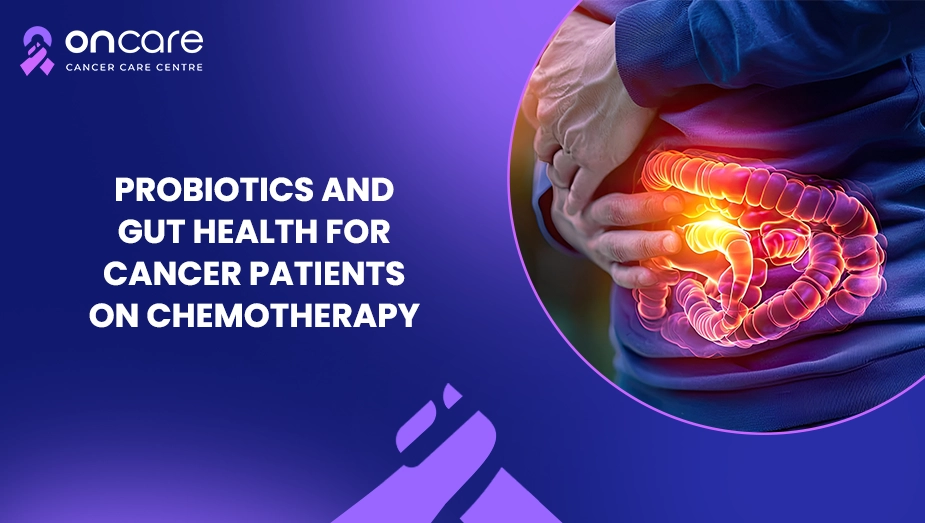
Cancer patients on Chemotherapy are drawing attention to probiotics and gut health since chemotherapy might impact the balance of good bacteria in the digestive system. Probiotics may prove useful in certain patients in terms of aiding gut health and treating specific digestive issues, but they are not appropriate for all. If you have cancer, please check with your oncologist before taking probiotic supplements. This is especially important if you have a compromised immune system.
Why Gut Health Matters When You Are on Chemotherapy
The gut microbiome is made up of trillions of microorganisms in the digestive tract. These bacteria, fungi, and other microorganisms help digest food, support the immune system, and keep the lining of the intestine healthy.
The treatment of Chemotherapy targets the Cancer cells that divide rapidly. But it may also impact the healthy cells in the digestive tract. This causes many of the patients to have alterations in their gut flora, which leads to digestive discomfort and other symptoms related to the gastrointestinal tract.
Supporting your general well-being and keeping your gut healthy can help you feel more comfortable during treatment.
What Do Probiotics Do?
Probiotics are defined as live bacteria that, when administered in enough proportions, confer health advantages on the host. They are sometimes dubbed “good bacteria” because they help maintain a healthy balance of germs in the gut.
Probiotics are found in:
- Live culture yogurt
- Kefir (fermented milk)
- Foods that are fermented
- Food supplements
- Some fortified drinks
The bacterial strains vary in different probiotic products, and the effects may be different for different people.
How can Chemotherapy Affect Gut Health?
Chemotherapy may temporarily upset the usual equilibrium of gut microorganisms.
Common digestive side effects include:
- Loose stools
- Constipation
- Distension
- Vomiting
- Loss of appetite
- Canker sores
- Abdominal pain
Not all patients get these symptoms, which can be mild or severe depending on the kind of cancer, the treatment, and the person’s condition.
Do Probiotics Help Cancer Patients?
Research is ongoing into the use of probiotics in cancer treatment. Some studies show that particular strains of probiotics may assist improve gut health in select patients.
Possible benefits may include:
- Maintaining a healthy gut microbiota
- Treatment-related diarrhoea reduction
- Better digestion
- Promoting regular bowel movements
- Improve overall digestive comfort
However, the outcomes are different among research, and probiotics should not be considered a conventional treatment for every Cancer patient.
Can I Eat Probiotics While I Am on Chemotherapy?
Safety is one of the most crucial things. Patients receiving Chemotherapy, immunotherapy, or stem cell transplantation may have a compromised immune system. In these cases, using probiotic supplements without medical supervision can raise the risk of infection, but major problems are rare.
This is why docs who treat cancer look at each patient’s situation before giving probiotics.
Patients should always check with their health care team before beginning to take probiotic supplements.
To learn more about nutrition and nutritional supplements during cancer treatment, visit the National Cancer Institute’s official website.
Probiotics in Natural Foods
Some people may get probiotics via food, rather than pills, if their doctor feels these foods are safe.
Examples are:
- Live culture yogurt
- Kefir
- Traditional buttermilk
- Cultured veggies
- Tempeh
- Miso
People with very impaired immune systems may be told to avoid some fermented foods because of the risk of infection.
Foods That Are Gut-Friendly
A general diet also plays a vital part in supporting healthy digestion, in addition to probiotics.
Foods that may help gut function include:
- Wholegrains
- Oats
- Fresh fruit
- Cooked vegetables
- Lentils (dal)
- Nuts, Seeds, Beans
The fiber in these foods helps to feed the good bacteria in your intestines. However, people with severe diarrhea or digestive problems may need to temporarily change their diet based on medical advice.
Who Should Not Take Probiotic Supplements?
Probiotics are not suitable for all Cancer patients. Extra care may be required for patients who have:
- Very low white blood cell counts
- Severe neutropenia
- Infections of the blood
- Bone marrow transplant
- Severe immunosuppression
- Central venous catheters in some circumstances
Your oncologist is the best person to understand if probiotics are right for you.
Practical Tips to Keep Your Gut Healthy During Treatment
Good daily practices can help assist digestion during Cancer therapy. Take these tips into account:
- Keep well hydrated.
- Have small, balanced meals.
- Add fiber when tolerated.
- Cut down on highly processed foods.
- Keep food safe.
- If diarrhea or constipation continues, call the doctor at once.
- Follow your drug instructions carefully.
- Talk to your health care provider before using any supplements.
With proper medical attention, simple modifications in nutrition can often really make a difference.
Myths About Probiotics and Cancer
Myth | Truth |
|---|---|
Probiotics treat cancer. | Probiotics do not cure or treat Cancer. They may help with intestinal health in specific folks. |
Probiotics are a must for every Cancer patient. | Some people may benefit, but others should avoid them due to the danger of infection. |
All probiotic supplements are the same. | Different goods have different bacterial strains with varied effects. |
Natural products are always safe. | Even natural supplements should be reviewed with your oncology team before you take them. |
Book an Appointment Now
Digestive health is a key aspect of supportive cancer care. Probiotics can help some individuals, but they are not for everyone, especially when immunity is down. Always check with your doctor before adding a supplement to your routine.
At Oncare Cancer Hospital, we have a multidisciplinary staff that combines evidence-based nutritional advising with sophisticated Cancer therapy. If you have concerns about gut health, digestive issues, or using probiotics during Chemotherapy, talk to your oncology team or a clinical nutritionist for personalized advice.





Frequently Asked Questions
Probiotics may be an option for some patients, but they are not for everyone. Speak with your oncologist before beginning probiotic supplements, particularly if your immune system is compromised.
There is some research to show that some strains of probiotics may help minimize treatment-related diarrhea in some patients. However, the data is still developing, and recommendations should be tailored.
For certain people, probiotic foods such as yogurt containing living cultures may be appropriate. But some fermented foods may have to be avoided by persons with a severely suppressed immune system. Always follow your healthcare team’s instructions.
Following your prescribed treatment plan, drinking plenty of fluids, a balanced diet, food safety, and fiber-rich foods when tolerated can all help to keep your gut working normally during Cancer therapy.
Written and Verified by:
Dr. Gajendra Kumar Himanshu Exp: 10 Yr
Medical Officer
Book an Appointment
Related Blogs

Chemotherapy vs Immunotherapy vs Radiation Therapy: Understanding the Differences
Compare chemotherapy, immunotherapy, and radiation therapy, including benefits, side effects, and treatment options at Oncare Hospital with expert cancer care.

Heart Health During Chemotherapy: Cardio-Oncology Explained
Learn how chemotherapy may affect heart health, common warning signs, and the role of cardio-oncology in cancer care with expert support from Oncare Cancer Hospital.
Dental and oral Care after Starting Chemotherapy: Treatment Checklist
Learn important dental and oral care tips after starting chemotherapy. Discover ways to manage mouth sores, gum care, and recovery support at Oncare Hospital.

A Caregiver's Handbook: How to Support a Loved One Through Chemotherapy
Support a loved one through chemotherapy with Oncare Cancer Hospital. Learn caregiving tips, emotional support, and daily care strategies for patients.