Table of Contents
Dental and oral Care after Starting Chemotherapy: Treatment Checklist

By Dr. Gajendra Kumar Himanshu


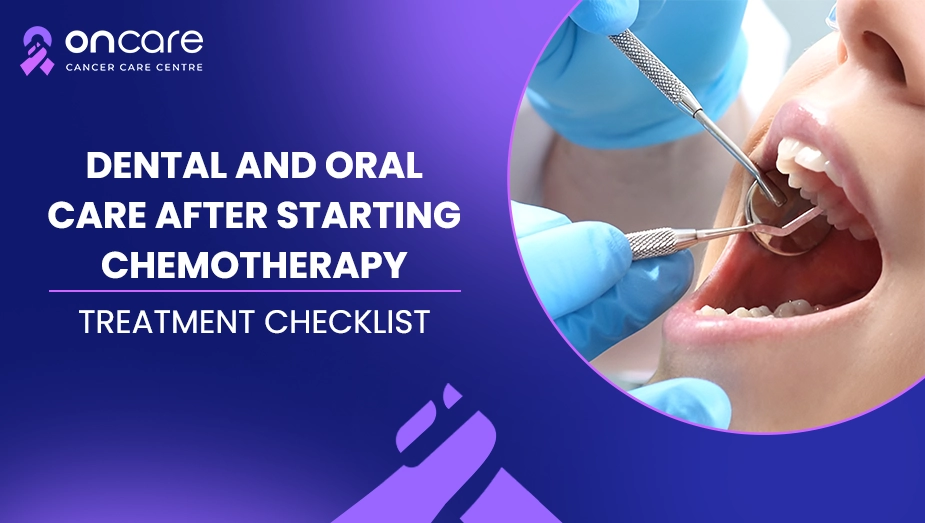
Chemotherapy can affect different parts of the body including the mouth, gums, teeth and throat. After chemotherapy begins, some patients may experience dry mouth, mouth ulcers, sensitive gums, infections, bleeding or difficulty eating and swallowing. These side effects may occur because chemotherapy drugs temporarily weaken the immune system and affect fast-growing healthy cells inside the mouth.
When oral health problems are not managed properly during chemotherapy, the risk of infection, discomfort, nutritional difficulties and treatment interruptions may increase. A gentle oral care routine, proper hydration, balanced eating habits and timely communication with doctors or dentists may help patients manage symptoms more comfortably during treatment.
In this article, we will discuss common oral side effects during chemotherapy, daily dental care routines, foods to avoid, infection prevention and practical oral care tips for cancer patients.
How Chemotherapy Can Affect Oral and Dental Health
Chemotherapy drugs are designed to destroy rapidly dividing cancer cells, but they may also affect healthy fast-growing cells inside the mouth and throat. This may lead to inflammation, dryness, ulcers, gum sensitivity and an increased risk of oral infections during treatment.
Oral side effects may vary depending on the chemotherapy medicines used, treatment duration and the patient's overall health condition. According to the National Library of Medicine, maintaining proper dental hygiene during cancer treatment may help reduce infections and improve patient comfort.
Common Oral Side Effects During Chemotherapy
Oral Side Effect | Possible Impact |
|---|---|
Dry mouth | Difficulty eating or speaking |
Mouth sores or ulcers | Pain and discomfort |
Bleeding gums | Increased oral sensitivity |
Dental infections | Higher infection risk due to low immunity |
Changes in taste | Reduced appetite and nutritional problems |
Safe Daily Oral Care Routine During Chemotherapy
A gentle and consistent oral hygiene routine becomes very important during chemotherapy. Patients should avoid aggressive brushing or alcohol-based mouth products because they may irritate already sensitive mouth tissues.
Simple daily oral care habits may help reduce discomfort and lower the risk of complications.
Helpful Oral Care Habits During Cancer Treatment
Following these practices regularly may help improve comfort during treatment:
- Using a soft-bristled toothbrush
- Brushing gently after meals
- Rinsing the mouth with warm salt water regularly
- Keeping lips moisturized
- Drinking enough water throughout the day
- Avoiding tobacco and alcohol completely
Preventing Oral Infections and Managing Mouth Sensitivity
Because chemotherapy temporarily weakens the immune system, even small mouth injuries or untreated dental problems may become infected more easily. Mouth sores that do not heal, bleeding, swelling or white patches should be reported to the healthcare team immediately.
Depending on symptom severity, doctors or dentists may recommend special mouth rinses, medicines or protective oral care products.
Foods and Habits Patients May Need to Avoid During Treatment
Soft, balanced meals that are easier to chew and swallow are often more comfortable during chemotherapy. Patients may need to avoid:
- Very spicy or sour foods
- Hard or sharp foods that may injure the mouth
- Extremely hot beverages
- Tobacco use in any form
- Excess sugary foods and drinks
The Importance of Hydration and Nutrition in Oral Healing
Dry mouth and mouth ulcers may make eating difficult and affect overall nutrition and energy levels during chemotherapy. Drinking enough fluids and eating mild nutritious foods may help patients maintain strength and reduce irritation.
Foods That May Feel More Comfortable During Treatment
Good nutrition supports recovery and may help reduce treatment-related weakness. Comfortable options include:
- Soft fruits and cooked vegetables
- Soups and smoothies
- Yogurt and soft grains
- Mild non-spicy foods
- Foods served at cool or room temperature
When Patients Should Seek Immediate Medical or Dental Care
Early medical attention may help prevent more serious oral complications during chemotherapy. Patients should contact their healthcare team immediately if they experience:
- Severe mouth pain
- Difficulty swallowing
- Persistent bleeding
- Fever along with mouth sores
- White patches or signs of infection
- Difficulty eating or drinking
Preparing for Dental Visits During Chemotherapy
Patients should always inform their dentist if they are receiving chemotherapy before undergoing any dental procedure. Some dental treatments may require special precautions because of low immunity or low blood counts during cancer treatment.
In many cases, dentists and oncologists work together to decide the safest timing for dental procedures during treatment.
Practical Oral Care Checklist for Chemotherapy Patients
Small preventive steps may significantly reduce discomfort during chemotherapy treatment. A simple daily checklist includes:
- Brush teeth gently twice daily
- Rinse the mouth regularly
- Drink enough water throughout the day
- Watch for mouth ulcers or infection signs
- Avoid smoking and alcohol
- Attend recommended dental check-ups
- Report oral symptoms early
Consult Today
Dental and oral care during chemotherapy is an important part of cancer treatment and recovery. Chemotherapy may cause mouth ulcers, dryness, gum sensitivity and infections that can affect eating, comfort and overall health if not managed properly.
Gentle oral hygiene, proper hydration, balanced nutrition and regular communication with doctors and dentists may help patients maintain better oral health during treatment.
For patients seeking compassionate cancer care and advanced treatment support, Oncare Cancer Hospital is known for providing patient-centered cancer treatment and supportive oncology care.





Frequently Asked Questions
Chemotherapy may damage healthy mouth cells and temporarily weaken the immune system, increasing the risk of oral problems.
A soft-bristled toothbrush is generally recommended to reduce irritation and protect sensitive gums.
Yes, mouth sores and ulcers are common side effects during chemotherapy treatment.
Patients should seek medical advice if they experience severe pain, infection signs, bleeding or difficulty swallowing.
Written and Verified by:
Dr. Gajendra Kumar Himanshu Exp: 10 Yr
Medical Officer
Book an Appointment
Related Blogs
Chemotherapy vs Immunotherapy vs Radiation Therapy: Understanding the Differences
Compare chemotherapy, immunotherapy, and radiation therapy, including benefits, side effects, and treatment options at Oncare Hospital with expert cancer care.

Heart Health During Chemotherapy: Cardio-Oncology Explained
Learn how chemotherapy may affect heart health, common warning signs, and the role of cardio-oncology in cancer care with expert support from Oncare Cancer Hospital.