Table of Contents
Heart Health During Chemotherapy: Cardio-Oncology Explained

By Dr. Gajendra Kumar Himanshu


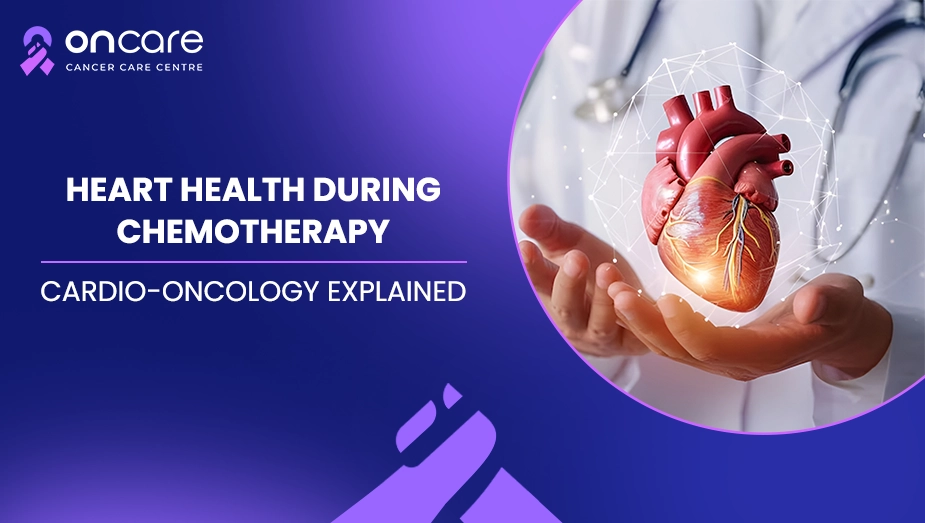
The start of chemotherapy can be an emotional and hard time for cancer patients and their families. Most people concentrate on combating the cancer, managing the side effects, and enhancing recovery. But heart health is one critical area commonly overlooked in treatment.
Some chemotherapy medications might harm the heart and blood arteries, especially if treatment is given for a lengthy time. Patients may be worried about symptoms such as fatigue, dyspnea, chest discomfort, or changes in heartbeat during therapy.
This is where cardio-oncology is crucial. Cardio-oncology is an emerging medical specialty that focuses on preserving the heart before, during, and after cancer treatment. With the right monitoring and precautions, many patients can continue therapy safely and lower their heart health risks.
This article reviews what cardio-oncology is, how chemotherapy can impact the heart, typical warning symptoms, and easy steps patients can take to safeguard their heart health throughout treatment.
Cardio-Oncology: What is it?
Cardio-oncology is a medical specialty that looks at the relationship between cancer treatment and heart health. Here, doctors team up to assist patients in managing the risks of cancer care and cardiac problems.
Certain cancer treatments can impact the heart muscles, blood pressure or blood circulation. Early diagnosis can assist to reduce problems and promote long-term health.
Why Cardio-Oncology Is Important
- Helps assess the heart's condition during cancer therapy
- Lowers the likelihood of heart-related adverse effects
- Encourages safer chemotherapeutic treatment
- Improves quality of life in the long run
How Chemotherapy May Harm the Heart
Not all chemotherapy drugs damage the heart, but some treatments can put some patients at higher risk of cardiac issues. The risk may vary depending on age, pre-existing heart issues, and the type of treatment being utilized.
Potential Heart-Related Side Effects
- Irregular heartbeat
- Poor heart muscle
- High blood pressure
- Difficulty breathing
- Heart burn
- Swelling of the legs or feet
Patients More at Risk
- Elderly
- People with diabetes or high blood pressure
- Those with a history of heart disease
- Patients with chronic chemotherapy
Warning Signs Patients Must Never Ignore
When you have chemotherapy, you should look out for any changes in your body. Some symptoms may require urgent medical intervention.
Typical Warning Signs
- Feeling out of breath often
- Rapid or irregular heartbeat
- Swollen legs or ankles
- Chest discomfort or pressure
- Exhaustion
- Dizziness or syncope
Chemotherapy and Heart Health: A Quick Look at Symptoms
Potential Issue | Symptoms |
|---|---|
Breathlessness | Strain on the heart |
Swelling of the legs | Fluid retention |
Rapid heart rate | Abnormalities of heart rhythm |
Heartburn | Cardiovascular disease |
Drowsiness or extreme weariness | Decreased cardiac function |
How Physicians Safeguard Heart Health During Treatment
Doctors may perform routine heart exams both before and throughout chemotherapy to detect abnormalities early. It allows patients to continue treatment more safely.
Heart Tests and Monitoring
- ECG (Electrocardiograph)
- Echocardiogram
- Blood pressure screening
- Blood testing
Tailored Treatment Plans
Doctors could change drugs or treatment schedules based on the patient's cardiac condition and overall health.
Healthy Habits to Help Your Heart
Simple lifestyle practices may support heart health during cancer therapy. Always consult with your physician before making any changes to your diet or exercise routines.
Eat Heart-Healthy Food
Eating healthy foods like fruits, vegetables, and proteins can help your body recuperate, and your heart work properly.
Be Physically Active
Light activity, such as walking, can boost circulation and energy levels.
Manage Stress
Stress and worry can impair your emotional and physical health during therapy. Relaxation exercises and emotional support could assist.
Don't Smoke
Smoking can damage heart and lung health in chemotherapy.
Emotional Support During Your Treatment
Some patients may be stressed to learn about probable heart concerns with treatment. The emotional support of healthcare personnel and family members may assist in alleviating fear and misunderstanding.
Be Honest With Your Doctors
Patients should be allowed to talk openly about symptoms or concerns during treatment.
Be Positive
With appropriate treatment and monitoring, many heart-related diseases can be handled successfully.
Trusted Health Information for You
As patients learn about chemo and heart health, they should always seek out reputable medical resources.
Patients can access credible information on cancer treatment, heart health, and patient care guidelines on the official website of the National Library of Medicine.
Consult Today
Taking care of your heart is a vital element of cancer care, especially when you are undergoing chemotherapy. Some therapies may harm the heart, but regular check-ups, healthy choices, and the right medical aid can help to limit risks and improve recovery.
Learning about cardio-oncology may help patients feel more informed, prepared, and confident through their treatment. Getting symptoms checked early and having regular check-ups can be good for both heart health and cancer recovery.
For patients in need of specialized cancer therapy and supporting care, Oncare Cancer Hospital is recognized for offering the best information, therapy, and patient support along the cancer journey.





Frequently Asked Questions
Cardio-oncology is a specialty that focuses on heart health throughout cancer treatment.
Yes, some chemotherapy drugs can alter the heart muscle, blood pressure, or cardiac rhythm.
Don't brush off symptoms like chest discomfort, dizziness, fast heartbeat, swelling, or shortness of breath.
Yes, a lot of heart-related adverse effects can be treated with early monitoring and medical care.
Written and Verified by:
Dr. Gajendra Kumar Himanshu Exp: 10 Yr
Medical Officer
Book an Appointment
Related Blogs
Chemotherapy vs Immunotherapy vs Radiation Therapy: Understanding the Differences
Compare chemotherapy, immunotherapy, and radiation therapy, including benefits, side effects, and treatment options at Oncare Hospital with expert cancer care.
Dental and oral Care after Starting Chemotherapy: Treatment Checklist
Learn important dental and oral care tips after starting chemotherapy. Discover ways to manage mouth sores, gum care, and recovery support at Oncare Hospital.