Table of Contents
A Caregiver's Handbook: How to Support a Loved One Through Chemotherapy

By Dr. Gajendra Kumar Himanshu


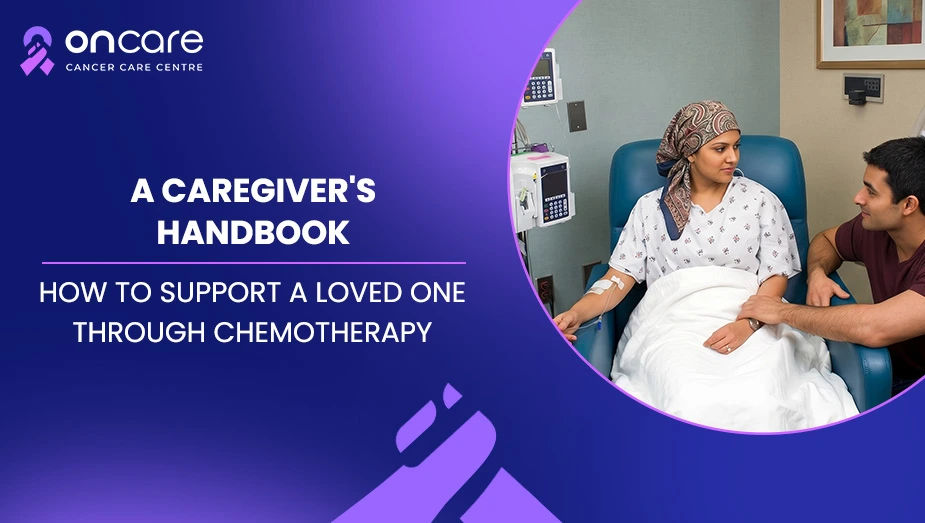
Cancer patients receiving chemotherapy may experience both physical discomfort and emotional stress throughout treatment. Caregivers often play an important role in helping patients manage daily activities, attend medical appointments, maintain proper nutrition and cope emotionally during this difficult period. Simple actions like preparing healthy meals, assisting with medicines and offering emotional reassurance may help make the treatment journey more manageable and comfortable.
Supporting someone through chemotherapy also requires patience, understanding and awareness of the side effects associated with cancer treatment. Every patient responds differently to chemotherapy, so caregivers should focus on open communication, emotional support and encouraging healthy routines while respecting the patient’s independence whenever possible.
In this blog, we will discuss practical ways caregivers can support loved ones during chemotherapy, including symptom management, emotional care, healthy eating, communication with doctors and self-care tips for caregivers themselves.
Understanding the Emotional and Physical Challenges of Chemotherapy
The effects of chemotherapy may vary depending on the type of cancer, stage of disease and treatment plan. Some patients may experience fatigue, nausea, appetite loss, hair loss or body pain, while others may struggle more with emotional stress, anxiety and feelings of isolation.
Caregivers should understand that emotional changes during treatment are a normal part of the cancer journey. Patients may feel worried about treatment results, frustrated by lifestyle changes or emotionally overwhelmed during recovery.
When caregivers listen calmly, offer reassurance and avoid forcing positivity, they may help create a safer and more supportive emotional environment for the patient.
Recognizing Common Side Effects During Chemotherapy Treatment
Caregivers should be aware of common chemotherapy side effects so they can respond appropriately if symptoms worsen. Some side effects may require immediate medical attention, especially fever, severe dehydration or breathing difficulty.
Common Chemotherapy Side Effects and Caregiver Support
Common Side Effect | How Caregivers Can Help |
|---|---|
Exhaustion and fatigue | Encourage rest and assist with daily activities |
Nausea and vomiting | Provide light meals and maintain hydration |
Reduced appetite | Offer small and nutritious meals frequently |
Hair loss | Provide emotional reassurance and confidence support |
Weak immune system | Maintain cleanliness and avoid crowded places |
Mental stress and anxiety | Encourage communication and emotional companionship |
Creating a Safe and Supportive Home Environment During Recovery
A calm and organized home environment may help chemotherapy patients feel more comfortable during treatment. Caregivers should ensure the patient has easy access to medicines, water, healthy snacks and comfortable resting areas.
Maintaining cleanliness is especially important because chemotherapy may weaken the immune system and increase the risk of infections. Keeping rooms ventilated, reducing loud noise and supporting regular sleep routines may also improve emotional comfort and reduce stress during treatment.
Encouraging Healthy Nutrition and Proper Hydration During Treatment
Good nutrition plays an important role in supporting recovery during chemotherapy. Some patients may lose appetite or become sensitive to certain foods, so caregivers should prepare simple balanced meals that are easier to digest.
Foods rich in protein, vitamins and fluids may help support energy levels, strength and immunity during treatment. Proper hydration may also help patients feel physically better throughout chemotherapy unless doctors advise fluid restrictions.
Helpful Nutrition Tips for Caregivers
- Offer small meals throughout the day
- Encourage soft and easy-to-digest foods
- Provide fresh fruits and protein-rich meals
- Help maintain proper hydration
- Avoid foods that worsen nausea
Communicating Clearly With Doctors and Healthcare Professionals
Caregivers often become an important connection between the patient and the healthcare team. Attending appointments, taking notes and tracking symptoms may help ensure the patient receives proper care throughout treatment.
Keeping records of medicines, side effects, appointment schedules and dietary recommendations may help reduce confusion and improve treatment management. Open communication with healthcare professionals may also help address emotional or physical concerns early before complications become serious.
When Immediate Medical Attention May Be Needed
Some chemotherapy side effects should never be ignored. Caregivers should contact healthcare professionals immediately if patients experience:
- High fever
- Severe vomiting
- Difficulty breathing
- Sudden confusion
- Extreme weakness
- Chest pain
Managing Emotional Stress and Mental Health as a Caregiver
Caregiving during chemotherapy can be emotionally exhausting, especially while balancing work, family responsibilities and hospital visits. Many caregivers focus completely on the patient and ignore their own emotional wellbeing, which may lead to stress and burnout.
Caregivers should also prioritize healthy meals, proper rest and emotional support from trusted family members, friends or support groups. Managing stress in healthy ways may help caregivers remain emotionally strong and physically active during the patient’s treatment journey.
Building Emotional Strength During Difficult Times
Some treatment days may feel emotionally overwhelming for both patients and caregivers. The caregiver’s role is not always to solve every problem, but to provide reassurance, understanding and emotional stability.
Simple moments like watching movies together, taking short walks or celebrating treatment milestones may help reduce emotional pressure and improve morale during recovery.
Trusted Government Health Information
Patients and caregivers should always rely on trusted medical resources for information about chemotherapy, emotional support and cancer recovery.
Patients may visit the official website of the National Cancer Institute for trusted information regarding chemotherapy treatment, nutrition guidance and supportive care during cancer recovery.
Consult Today
Supporting a loved one through chemotherapy requires compassion, patience, emotional strength and awareness of the challenges associated with cancer treatment. Caregivers help patients not only through medicines and appointments but also through emotional support and encouragement during recovery.
Understanding side effects, maintaining healthy communication and creating a supportive environment may help reduce stress and make the treatment journey more manageable for patients and their families.
For patients and families seeking advanced cancer treatment and compassionate support throughout recovery, Oncare Cancer Hospital is known for providing patient-focused cancer care and supportive treatment services.





Frequently Asked Questions
Caregivers may help emotionally by listening patiently, encouraging communication and spending supportive quality time with the patient during treatment.
Soft, nutritious and protein-rich foods along with proper hydration are commonly encouraged during chemotherapy treatment.
Caregivers should seek immediate medical help if patients develop high fever, breathing difficulty, severe vomiting or sudden weakness.
Caregivers may reduce stress by taking regular breaks, maintaining healthy routines and seeking emotional support from trusted people or support groups.
Written and Verified by:
Dr. Gajendra Kumar Himanshu Exp: 10 Yr
Medical Officer
Book an Appointment
Related Blogs
Self-Care Tips for Cancer Caregivers: Protecting Your Own Health
Learn self-care tips for cancer caregivers with Oncare Cancer Hospital. Protect your health, manage stress, and avoid burnout while caring for a loved one.
When the Caregiver Falls Sick: A Backup Plan for Indian Families
Learn how to create a caregiver backup plan with Oncare Cancer Hospital. Tips for Indian families to manage care when the primary caregiver falls sick.
Caregiver Burnout: Warning Signs and How to Prevent It
Learn caregiver burnout warning signs and prevention tips. Protect your health and get expert support at Oncare Cancer Hospital for a stronger caregiving journey.
How Caregivers Can Stay Healthy While Caring for Cancer Patients
Learn essential caregiver tips to stay physically and mentally healthy while supporting cancer patients. Get guidance and support from Oncare Cancer Hospital.