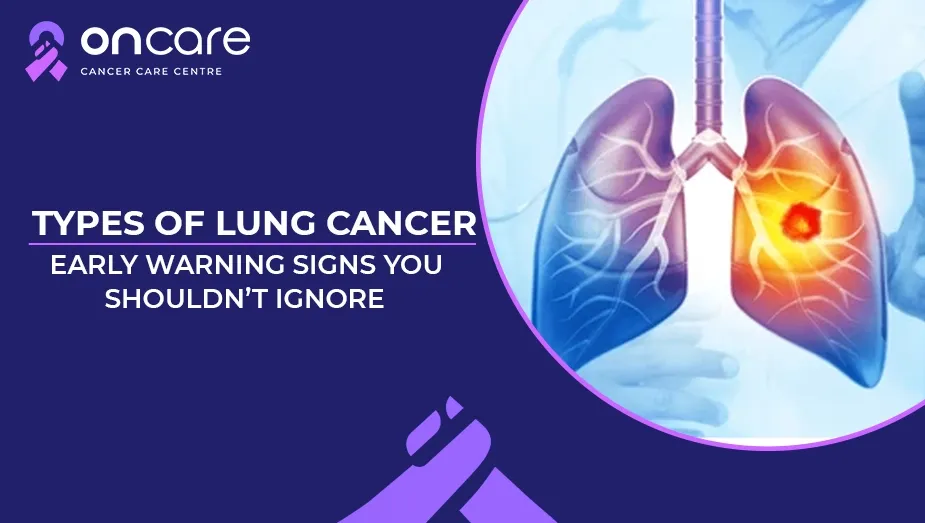

Common symptoms of lung cancer include a cough that does not go away, shortness of breath, coughing up blood, wheezing, unexplained weight loss, constant tiredness and hoarseness. The growth of abnormal cells in the lungs is known as Lung cancer. Not all cases of lung cancer come with obvious early symptoms. For some, it takes time for the symptoms to surface once the cancer has already caused disruption on the airways and other nearby areas of the body.
However, it is necessary for patients to note changes in the health status so that they can consult a doctor on time. Coughing and chest pain are usually thought of as symptoms of respiratory infection but their persistence could mean something else. Therefore, in the following article, we will discuss 10 lung cancer symptoms, their risk factors, diagnostic methods, and when a patient should see their doctor.
What Are the Early Symptoms of Lung Cancer?
Not all cases of lung cancer will cause visible symptoms. Some individuals realize that something is wrong when they undergo a chest X-ray or a CT scan due to an altogether different health issue. When symptoms begin to appear, they usually pertain to respiration, the chest, poor appetite or general energy levels. These symptoms could be:
- The presence of a chronic cough or changes in a cough that you already have.
- Experiencing shortness of breath even while performing normal activities.
- Chest pain or shoulder pain.
- Blood-tinged sputum.
- Whistling breath sounds.
- Unexpected weight loss.
- Persistent tiredness or fatigue.
- Hoarse voice.
- Frequent chest infections.
- Poor appetite.
It should be known that these symptoms do not only occur in patients with lung cancer. However, other respiratory diseases such as tuberculosis, pneumonia, asthma and COPD may also cause such complications.
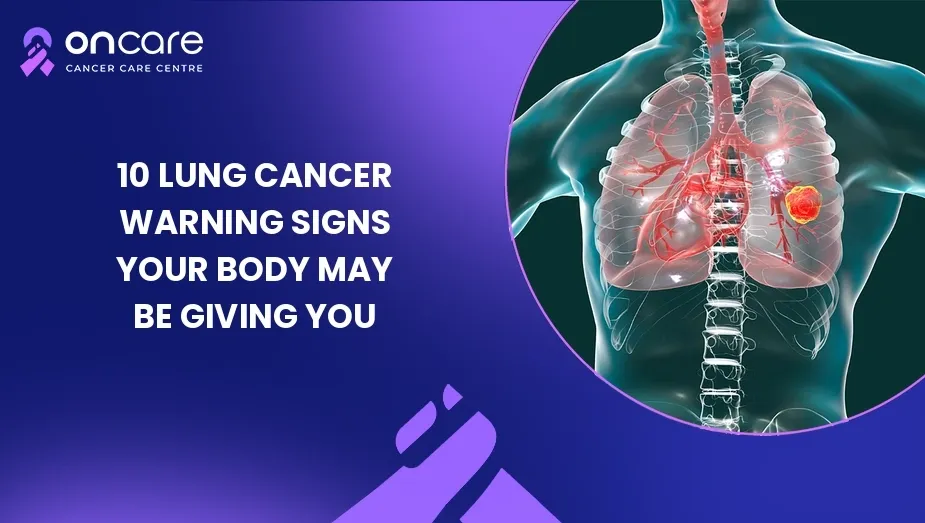
What Are the 10 Warning Signs and Symptoms of Lung Cancer?
Lung cancer may not cause any symptoms in its early stages. In most cases, people won’t have any major symptoms until they reach an advanced stage. Here are some of the symptoms:
1. A Persistent Cough
Cough that persists for weeks or slowly develops over time may be a sign of lung cancer. One significant factor is the change in the nature of the cough. This is especially true for patients who have long-term cough due to smoking, who will realize that their cough changes in nature and produces different mucus or cannot be managed using normal means. Therefore, it is possible that the presence of a tumor will irritate or block an air passage, which will cause the coughing. It is important if your cough:
- Persists for more than three weeks.
- Gradually worsens.
- Changes its character.
- Occurs repeatedly for unknown reasons.
- Does not improve despite appropriate treatment.
Persistent coughing is due to several factors, and it is better evaluated than self-medicating all the time.
2. Shortness of Breath
Difficulty breathing might first be noticed while performing tasks that were earlier not strenuous, for example climbing up the stairs, walking for a short distance or carrying out domestic chores. For people who have developed lung cancer, breathing problems may be the first symptoms that arise due to the narrowing of an air passage by the growth of tumour in the lungs. This could vary from being breathless when performing any physical activity to having trouble breathing even when resting. Other diseases including asthma, heart ailments and lung diseases among others cause breathing problems.
3. Chest Pain or Discomfort
Some people with lung cancer experience pain or discomfort in the chest. Pain could be acute, dull, or a sensation of pressure. It may worsen whenever the individual performs certain actions such as breathing deeply, laughing, or coughing. However, it should be pointed out that there are numerous other causes of chest pain besides these ones. Thus, it is not a specific sign of lung cancer, but pain that continues or occurs with other respiratory symptoms should be assessed.
Patients are advised to seek emergency medical help if chest pain is severe or sudden, particularly if it occurs with sweating, faintness or having difficulty in breathing.
4. Coughing Up Blood (Haemoptysis)
Haemoptysis is defined as the existence of blood in the sputum and is an illness that requires treatment by a doctor. This may be present in the form of streaks of red blood in the mucus, or even in higher volumes. Blood in the sputum could also result from a tumour affecting the blood vessels in the lungs.
But lung cancer is not the only cause for blood-streaked sputum. Some of the other illnesses include tuberculosis, bronchitis, and pneumonia which may lead to bloody sputum. It is not always necessary for blood in the sputum to be large in volume before it becomes a concern. However, If you notice blood in your sputum, see a doctor.
5. Wheezing
Wheezing is a whistling sound that may occur while breathing. It can happen when the airways become narrow or inflamed. However, asthma and allergies are common causes, but a tumour that blocks or narrows an airway can sometimes produce similar symptoms related to lung cancer. But new or chronic wheezing, particularly when combined with an evolving cough or shortness of breath, should be examined. Your doctor will consider your medical history and other symptoms before recommending tests.
6. Unexplained Weight Loss
Weight loss without modifying the diet or exercise routine can be a sign of a health problem. A person's metabolic process and energy needs can be affected by cancer also. Other people will also have difficulty with appetite loss and maintaining the same food intake as before.
7. Constant Tiredness and Weakness
Feeling tired after a busy day is normal. However, unusual tiredness that continues despite adequate rest may need further attention. Fatigue may also occur due to body reaction to cancer, lack of appetite, anemia or some other health issues. If such conditions persist for a longer period on an everyday basis, discuss it with the doctor for further evaluation.
8. Hoarseness or Changes in Voice
Changes in voice such as being rough, weak, or even more breathy than usual could indicate early warning signs of lung cancer. This is how you can understand that in some cases, lung cancer can affect a nerve that controls the vocal cords that leads to changes in the voice.
If one experiences chronic hoarseness, especially along with coughing and difficulty breathing, the matter needs to be taken seriously.
9. Recurring Lung Infections
Chronic lung infections such as bronchitis and pneumonia in some instances might have something to do with the underlying condition of lungs. A tumour in some cases can impede the air passage making it difficult to clear mucus from that particular spot. If the infections are recurring, taking time to recover or keep reoccurring in the same spot of the lungs, your physician will need to investigate the cause of this phenomenon.
10. Bone or Chronic Back Pain
Lung cancer can metastasize into other organs of the body, such as bones, and therefore patients feel chronic pains in their back, ribs, hips, or other parts of their body. However, pain that persists for a longer period without any reason and is also associated with other symptoms needs immediate medical evaluation.
Lung Cancer Symptoms: A Quick Overview
The following table summarises common warning signs and what you should consider doing if they occur.
Symptom | What you may notice | What to do |
|---|---|---|
Persistent cough | Cough that lasts or becomes worse | Arrange a medical evaluation |
Shortness of breath | Difficulty in breathing during everyday activities | Seek assessment, especially if new or worsening |
Chest pain | Discomfort that may increase with coughing or deep breathing | Get medical advice; seek emergency care for severe or sudden pain |
Coughing up blood | Blood or blood streaks in mucus | Seek prompt medical evaluation |
Wheezing | Whistling sound during breathing | Get checked if new or persistent |
Unexplained weight loss | Losing weight without trying | Discuss it with a doctor |
Constant fatigue | Ongoing weakness or low energy | Seek advice if persistent or unexplained |
Hoarseness | Voice remains rough or weak | Get persistent voice changes evaluated |
Repeated infections | Bronchitis or pneumonia keeps returning | Ask whether further investigation is needed |
Bone or back pain | Persistent pain without a clear cause | Seek assessment if unexplained or worsening |
What Are the Risk Factors for Lung Cancer?
Anyone can develop lung cancer, including people who have never smoked. However, certain exposures and personal factors can increase the risk. Common risk factors include:
- Tobacco smoking: Cigarette smoking is a major risk factor in lung cancer. The risk generally increases with longer and heavier exposure.
- Secondhand smoke: Regular exposure to other people’s tobacco smoke can also increase the risk of lung cancer.
- Radon and workplace exposures: Radon gas, asbestos, diesel exhaust, silica, and certain other harmful substances can contribute to lung cancer risk.
- Air pollution: Exposure to air pollution over a long period of time can lead to lung cancer. There may be indoor exposures too. Smoke that results from the burning of solid fuels like wood, coal, and dung can have health impacts on individuals living in badly ventilated areas.
- Family history: Having close relatives with lung cancer may increase risk, although family history does not mean that a person will necessarily develop the disease.
- Previous lung disease or chest radiation: Previous lung disorders may raise the possibility of getting lung cancer, and repeated exposure to radiation in large doses due to specific treatments may add to the chances of developing the disease. However, regular X-rays and CT scans do not typically cause lung cancer.
Understanding these risk factors can help individuals discuss prevention and appropriate medical assessment with a doctor. People without known risk factors should also pay attention to persistent or unusual symptoms for timely medical attention.
Why Is Early Recognition of Lung Cancer Symptoms Important?
There are cases where lung cancer does not cause any visible symptoms at all when it first starts which makes it difficult to recognize. In some cases, there are small breathing abnormalities, coughs, and tiredness that can be the signs that something is going on. Monitoring these symptoms and consulting with a doctor can enable people to diagnose any issues early on and understand the reasons behind the symptoms.
What Are the Different Stages of Lung Cancer?
The four stages of lung cancer are defined according to the size of the tumor and the spread of the cancerous cells.
Stage 1: The cancer is only in the lung and has not metastasized to the nearby lymph nodes.
Stage 2: The tumour is larger or has spread to nearby lymph nodes.
Stage 3: Cancer spreads to lymph nodes of the chest or adjacent areas.
Stage 4: In this stage, cancer spreads to distant sites such as the brain, liver, bones, or adrenal glands.
The process of staging helps the doctor to know how advanced the disease is and what course of action needs to be taken. It depends upon the degree of cancer, types of cancer, biologic markers, and the condition of the individual to choose between surgery, chemotherapy, radiotherapy, and immunotherapy.
How Is Lung Cancer Diagnosed?
Should any signs or symptoms lead to suspicion, the physician may order diagnostic procedures to ascertain the underlying cause. However, not everyone needs the same tests. This is determined by the suspected site of the anomaly, patient’s health, and initial results.
1. Physical Examination and Medical History
In the medical history, the doctor can inquire about the length of time since the start of symptoms, if smoking has been an issue, past respiratory ailments, as well as any possible work or family history. As part of the physical examination, the physician will feel the presence of swollen lymph nodes in the neck and collarbone areas besides listening to the lungs.
2. Diagnostic Imaging Tests
Imaging tests such as chest x-rays and CT scans can be carried out to detect abnormal areas in the lungs. CT scan allows for more accurate imaging hence can be used to investigate any abnormalities.
3. PET-CT Scan
PET-CT scans include a CT scan and also a scan showing the activity of cells. This scan may help the physician diagnose the metastasis of cancer to lymph nodes or elsewhere in the body. It is not performed in the first place for lung cancer detection.
4. Bronchoscopy
A procedure called a bronchoscopy involves inserting a long, flexible tube with a light into the airways through the mouth or nose. This allows the physician to view inside the airways and collect tissue samples from suspicious areas.
5. Biopsy
If imaging reveals a suspicious area, a biopsy may be needed. During a biopsy, a doctor collects a small sample of tissue or cells for laboratory examination. This helps determine whether cancer is present and, when confirmed, what type it is.
Depending on the findings, additional tests may be needed to understand the extent of the disease and guide treatment.
6. Biomarker and Molecular Testing
In case the patient is diagnosed with lung cancer, the doctors might also test the tumor tissue to check for particular changes known as biomarkers, which will determine whether treatments like targeted therapy and immunotherapy are applicable.
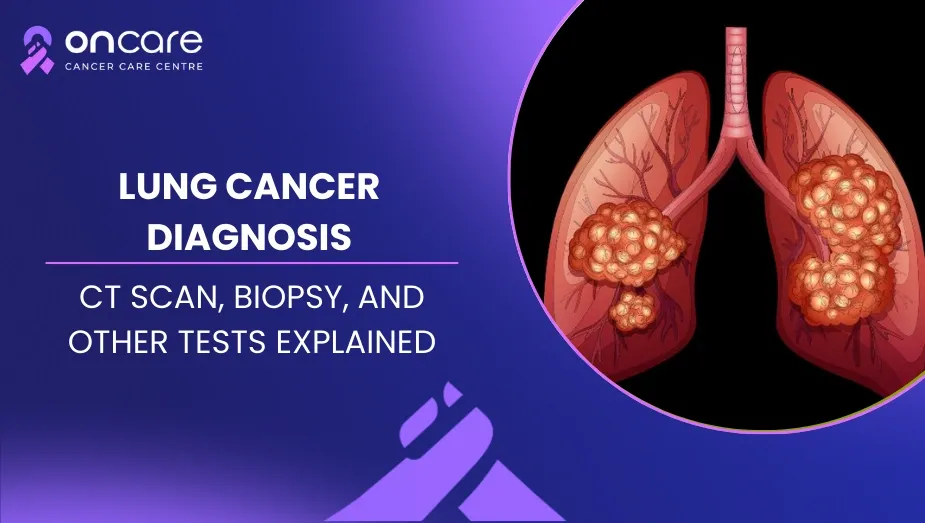
For a more detailed explanation, read our blog on lung cancer diagnosis and the tests used to confirm it.
Can Lung Cancer Be Detected Before Symptoms Appear?
Yes. It is possible that lung cancer can be identified using screening procedures even when the person does not show any symptoms. Low-dose computed tomography uses fewer amounts of radiation than usual chest CT scans to generate images of lungs. This procedure is used for screening people who have a higher chance of getting lung cancer especially due to age and smoking. But it is important to note that not everyone needs screening because screening might show non-cancerous abnormalities that would need to be further investigated.
India does not have a national lung cancer screening programme yet. This aspect is highlighted in an expert opinion paper that appeared in the Journal of the Association of Physicians of India (2024).
Learn more about the process in our blog on lung cancer screening and who may need it.
When Should You See a Doctor?
Do not wait for symptoms to become severe. See a doctor if you have:
- Cough that persists for more than three weeks or worsens with time
- Difficulty breathing
- Discomfort in the chest or shoulders
- Coughing up blood
- Repeated chest infections
- Changes in voice which don’t go away
- Unexpected weight loss or persistent fatigue
In case of serious breathing difficulties, coughing out a lot of blood, or acute chest pains, seek immediate medical attention.
Can Lung Cancer Symptoms Be Prevented?
It is not possible to prevent each case of lung cancer; however, avoiding exposure to the factors, which increase the risk of developing the disease, will make people less likely to get it. Some of the preventive measures could include:
- Staying away from cigarettes and tobacco;
- Reducing the exposure to the second-hand smoke;
- Following all workplace safety requirements when working with asbestos, silica, diesel exhaust, etc.;
- Getting tested for radon if necessary;
- Consulting a specialist about the risk of getting lung cancer and discussing the symptoms.
These measures will not guarantee that the disease will never occur. The main goal of the recommendations above is to reduce risks.
For more trusted information about symptoms and signs of lung cancer before diagnosis, visit the National Library of Medicine.
Consult Today
A cough that won’t go away, difficulty breathing without a known reason, repeated chest infections or coughing blood must never be overlooked. They don’t necessarily mean patients have lung cancer, but they are important enough to know what causes them. Individuals could seek help from a medical expert who will examine the symptoms and help in recommending tests based on their risk factors.
For any questions regarding lung cancer symptoms, visit Oncare Cancer Hospital to learn more about lung cancer diagnosis and treatment options.
Disclaimer
This content is for educational purposes only and should not replace professional medical advice, diagnosis, or treatment. If you notice persistent or unusual symptoms, consult a qualified doctor.
Frequently Asked Questions
1. What are the first symptoms of lung cancer?
Early lung cancer may cause a persistent cough, shortness of breath, chest discomfort, or wheezing. Some people have no noticeable symptoms in the early stages.
2. Can lung cancer develop without smoking?
Yes. People who have never smoked can also develop lung cancer. Secondhand smoke, air pollution, certain workplace exposures, and family history may contribute to risk.
3. How long can you have lung cancer without knowing it?
Lung cancer can develop without obvious symptoms for some time. The duration varies from person to person, so symptoms alone cannot determine how long the disease has been present.
4. Which test can detect lung cancer early?
Low-dose CT screening can detect lung cancer before symptoms appear in eligible high-risk individuals. If symptoms are already present, a doctor may recommend diagnostic tests based on your medical history and examination.