Table of Contents
Neutropenic Diet: Safe Eating When Your Immunity Is Low During Chemotherapy

By Dr. Gajendra Kumar Himanshu


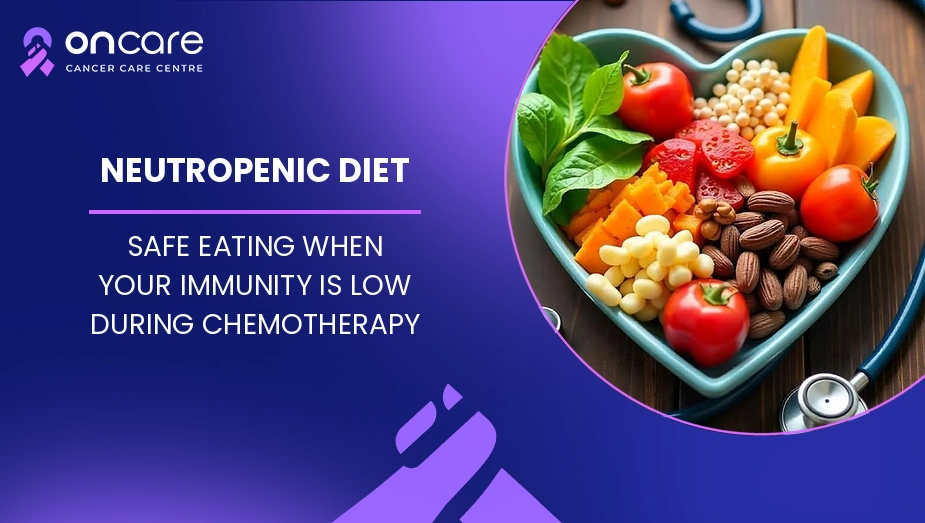
A neutropenic diet is a way of eating that focuses on food safety when the immune system is weak, especially when chemotherapy lowers the number of infection-fighting white blood cells called neutrophils. Instead of avoiding all fresh foods, the main goal is to avoid foods that may carry harmful germs and to prepare, cook, store, and handle food safely.
In this blog, we will explain what a neutropenic diet means, what foods may be safer during chemotherapy, which foods should be avoided or handled carefully, and how patients and caregivers can reduce the risk of foodborne infections. We will also discuss why nutrition remains important when immunity is low.
What Is a Neutropenic Diet?
Neutropenia is a lower-than-usual number of a type of white blood cell called a neutrophil. Chemotherapy can reduce these cells, which makes it easier for infections to happen.
A neutropenic diet mainly means avoiding foods that may contain harmful bacteria or other germs. However, there is no clear evidence at this time that a very strict neutropenic diet is more effective than conventional food-safety precautions in preventing infections. That is why many cancer care teams now focus more on proper food handling and avoiding high-risk meals.
You can also read this blog on nutrition during chemotherapy and radiation treatment to understand how good nutrition can support the body during treatment.
Why Is Food Safety Important During Chemotherapy?
Chemotherapy affects healthy cells as well as cancer cells. It can lower white blood cell counts and may also cause problems such as nausea, vomiting, diarrhoea, mouth sores, and loss of appetite.
If the immune system is weak, an infection from contaminated food can be more severe. Certain foods may contain germs such as Salmonella and E. coli or may be contaminated through poor food handling.
That is why patients should be careful about how food is bought, washed, prepared, stored, and served.
What Foods Are Safer During Neutropenia?
The best food choices depend on the patient’s treatment, blood counts, symptoms, and overall health. In general, foods that are fresh, properly washed, pasteurised, and thoroughly cooked are safer choices.
Protein-Rich Foods
Protein helps the body maintain muscles and repair tissues. Depending on your doctor’s advice, suitable options may include:
- Well-cooked eggs
- Fully cooked chicken or fish
- Dal, beans, and lentils
- Paneer made from pasteurised milk
- Pasteurised milk and yoghurt
- Tofu and other properly cooked protein foods
If chemotherapy has reduced your appetite, small meals may be easier than large meals. You can also read about the best foods to eat during chemotherapy for more simple nutrition ideas.
Fruits and Vegetables
Fresh fruits and vegetables can provide important vitamins, minerals, fibre, and other nutrients. They do not always need to be removed from the diet.
Wash fresh produce thoroughly under clean running water before eating or cutting it. Avoid produce that is spoiled, bruised, or difficult to clean properly. Your cancer care team may give additional advice if your blood counts are very low.
Foods to Avoid or Handle Carefully
Some foods have a higher chance of carrying harmful germs, especially when they are raw, undercooked, unpasteurised, or poorly stored.
Food or drink | Safer approach |
|---|---|
Raw or undercooked meat | Eat only thoroughly cooked meat |
Raw or undercooked eggs | Choose fully cooked eggs |
Raw fish and shellfish | Avoid; choose fully cooked options |
Unpasteurised milk or dairy | Choose pasteurised products |
Unwashed fruits and vegetables | Wash properly before eating |
Raw sprouts | Avoid because they can carry bacteria |
Food left at room temperature for too long | Refrigerate food promptly |
Unclean or unsafe water | Drink safe, clean water |
The exact food restrictions may vary between patients. Your oncologist or dietitian may give you more specific advice based on your neutrophil count and treatment.
Safe Food Preparation During Chemotherapy
Food safety starts in the kitchen. Even healthy foods can become unsafe if they are not handled correctly.
Wash your hands with soap and water before preparing or eating food. Keep kitchen surfaces and utensils clean. Keep raw meat, poultry, and seafood separate from ready-to-eat foods to prevent germs from spreading. Cook food thoroughly and refrigerate leftovers promptly.
Caregivers should also follow these precautions. Do not taste food with a spoon and then put the same spoon back into the dish. Use clean plates and utensils when serving cooked food.
What About Eating Outside?
Eating outside can be difficult when your immune system is weak because you may not know exactly how food has been stored or prepared.
During periods of severe neutropenia, your doctor may recommend being extra careful with restaurants, street food, buffets, salad bars, and other places where food may be exposed to germs.
If you eat outside, choose food that is freshly prepared and served hot. Avoid raw or undercooked foods and foods that have been sitting out for a long time.
You can also learn more about chemotherapy side effects to understand how treatment can affect eating, digestion, and daily life.
Does a Neutropenic Diet Mean No Fresh Food?
Not necessarily. This is an important point for patients and families.
Older advice sometimes recommended avoiding many raw fruits and vegetables. However, current evidence does not clearly show that a strict neutropenic diet prevents infections. The focus is now often on proper washing, safe preparation, good hygiene, and avoiding high-risk foods.
Your doctor may still recommend extra restrictions during certain treatments, such as stem cell transplantation or periods of very low neutrophil counts. Always follow the personalised advice given by your cancer care team.
How Can Nutrition Support You During Chemotherapy?
Eating safely is only one part of nutrition during cancer treatment. Your body also needs enough calories, protein, fluids, vitamins, and minerals.
Some patients may have nausea, mouth sores, taste changes, diarrhoea, constipation, or poor appetite during chemotherapy. These problems can make it difficult to eat enough food.
Try smaller meals throughout the day if large meals feel difficult. Choose foods that are easy to eat and provide good nutrition. Drink enough fluids unless your doctor has advised you to limit them.
If eating becomes difficult or you are losing weight without trying, tell your doctor or dietitian. Early nutrition support can help prevent weakness and poor nutrition.
When Should You Contact Your Doctor?
A low neutrophil count can increase the risk of infection. Patients receiving chemotherapy should know the warning signs and follow the emergency instructions given by their cancer team.
Contact your healthcare team promptly if you develop fever, chills, unusual weakness, persistent diarrhoea, repeated vomiting, or other signs of infection. A fever during chemotherapy can require urgent medical attention.
Do not wait for symptoms to become severe before asking for help.
If you want to read more about the neutropenic diet, you can visit the National Library of Medicine.
Consult Today
Eating safely during chemotherapy is important, especially when your white blood cell count is low. However, there is no single diet that is right for every cancer patient. The best approach depends on your treatment, blood counts, nutritional needs, and overall health.
At Oncare Cancer Hospital, the cancer care team can help patients understand nutrition, manage treatment-related side effects, and choose safe eating habits during chemotherapy. Personalised advice can be especially useful when appetite, digestion, or immunity changes during treatment.
Disclaimer
This information is for educational purposes only and does not constitute medical advice, diagnosis, or treatment. Always discuss decisions about food, probiotics, or microbiome-related medicines with a certified cancer healthcare provider.





Frequently Asked Questions
It is an eating approach focused on reducing exposure to harmful germs in food when the immune system is weak.
Yes, properly washed fruits can often be included. Your doctor may give different advice depending on your treatment and blood counts.
Raw or undercooked foods can carry more germs, so high-risk raw foods such as raw meat, fish, eggs, and unpasteurised products are generally best avoided.
No, the need for dietary restrictions depends on your treatment and neutrophil count. Your cancer care team can give you personalised advice.
Written and Verified by:
Dr. Gajendra Kumar Himanshu Exp: 10 Yr
Medical Officer
Book an Appointment
Related Blogs
Small Bowel (Small Intestine) Cancer: A Rare Digestive Tract Malignancy
Learn about small bowel cancer, including its types, symptoms, risk factors, diagnosis, surgery, chemotherapy, and other treatments at Oncare Cancer Hospital.
Vaginal Cancer: Symptoms, Causes and Treatment Options
Learn about vaginal cancer, its symptoms, causes, HPV risk, diagnosis, stages, treatment options, and follow-up care at Oncare Cancer Hospital.
Sarcopenia in Cancer Patients: Why Muscle Loss Matters and How to Fight It
Learn about sarcopenia in cancer patients, its causes, symptoms, diagnosis, nutrition, exercise, and ways to manage muscle loss at Oncare Cancer Hospital.