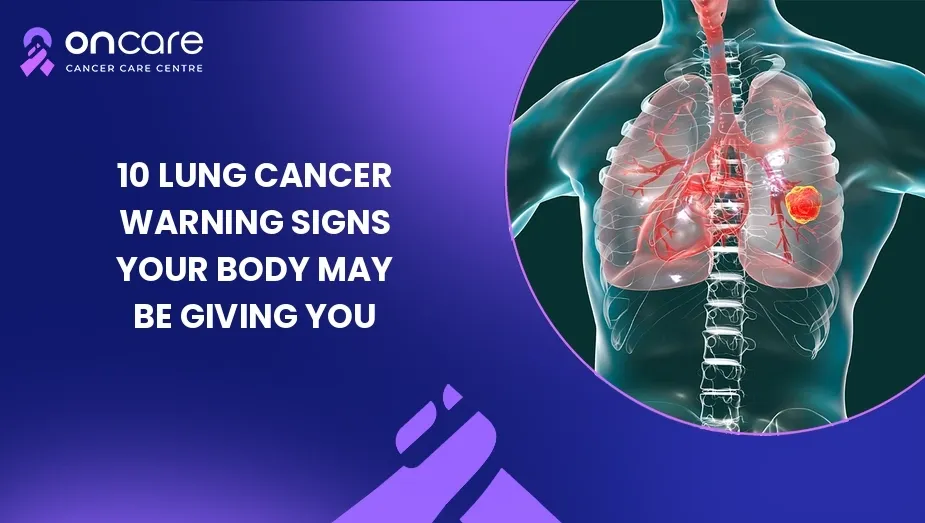

Lung cancer symptoms on skin are uncommon, but they can include finger clubbing, ongoing itching, unusual rashes, dark velvety patches and small lumps under the skin. These symptoms are not common in lung cancer, but they can occur in a few cases due to the cancer and its associated diseases.
Lung cancer primarily involves the lungs, but this does not necessarily mean that the effects of lung cancer are confined only to the lungs. Sometimes, signs on the skin, nails, and fingertips can be other indicators of an existing medical condition.
However, having a rash or experiencing itching does not necessarily imply that one has been diagnosed with lung cancer. Various health conditions can bring about such symptoms. In this blog, we will discuss lung cancer symptoms on skin and when to see a doctor regarding such changes.
Can Lung Cancer Cause Skin Problems?
Yes, in some cases lung cancer can cause skin changes. These may arise from such mechanisms as:
Immune reactions: The immune response of the body to the cancer may lead to inflammation of the skin.
Hormonal changes: Some types of lung tumors produce chemicals that cause disruption in the normal body functioning and may result in skin problems.
Spread of cancer: Cancer cells sometimes spread to other parts of the body outside the lungs, including skin, where lumps are formed.
Effects of treatment: Dry skin, itching, rashes or any other kind of skin reaction may be caused by chemotherapy, targeted therapy and immunotherapy.
However, not everyone who goes through the above types of treatments will experience these symptoms.
What 8 Lung Cancer Symptoms on the Skin Doctors May Look For
Skin signs alone cannot diagnose lung cancer. But, there are some unique skin manifestations that can be considered by physicians along with other features.
1. Prolonged Itching of the Skin
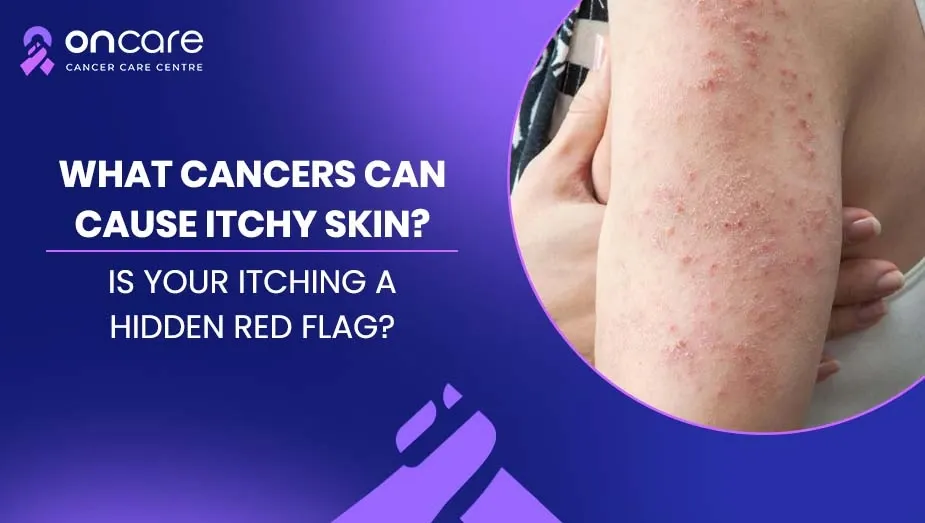
There are some patients with cancer who suffer from itching that is not accompanied by any rash. Medically, this phenomenon is known as pruritus. The causes of this phenomenon might be alterations of immune functions, inflammation, or the influence of cancer on the physiological functions of the body.
What you may notice:
- Unexplained itching
- Itching that persists despite simple skin care measures
- Scratches or redness resulting from continuous rubbing.
Other medical conditions like dry skin, allergies, and problems with the liver are much more commonly linked with itching than cancer. Persistent symptoms should be investigated and not automatically diagnosed as cancer.
2. Finger Clubbing
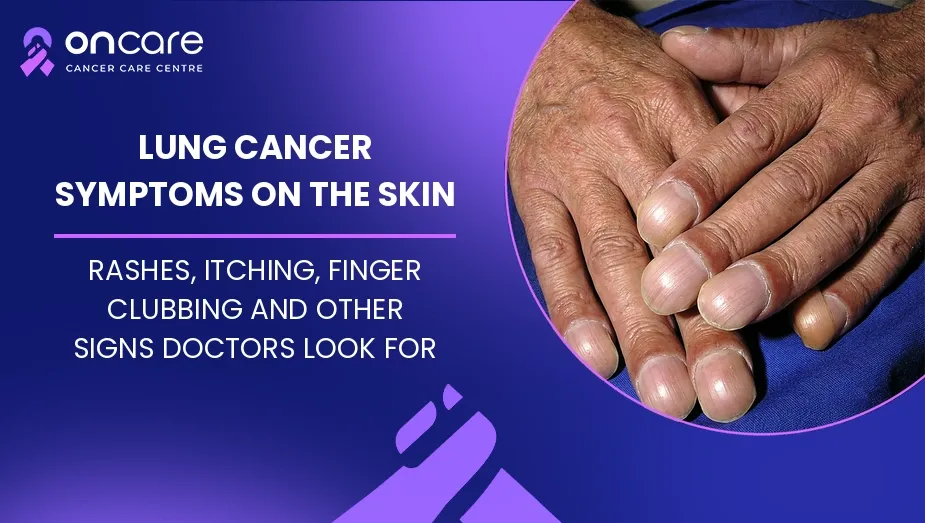
Finger clubbing is among the physical signs linked to some lung conditions like lung cancer. The physical sign causes alterations in the appearance of the fingertips and fingernails where the fingertips widen and become rounded, and the nails become more curved than normal.
Common changes include:
- Large or swollen fingernails.
- Curvature of the fingernails.
- Soft nail beds.
- Rounding of the fingertips.
Clubbing may start to appear slowly and may involve more than one finger. Clubbing is a sign found in cases of certain types of lung cancers like non-small cell lung cancer, but it may be present in others too.
3. Dark or Thickened Skin Patches
Acanthosis nigricans is a skin disorder that leads to darkening, thickening, and velvety-looking skin patches. They usually occur on the neck, armpits, groin, and other skin creases. In some instances, the rapid onset of acanthosis nigricans in adults may indicate an underlying cancer.
What patients may notice:
- Skin is darker than the surrounding skin.
- Thicker or velvety skin.
- Slow changes near body creases.
This syndrome is usually associated with insulin resistance and metabolic syndromes. Your doctor will be able to find out what caused this problem.
4. Unusual Rashes and Skin Inflammation
Some skin diseases could coexist with lung cancer, such as dermatomyositis, an uncommon inflammatory disease that affects the skin and muscles. It causes skin rashes with red or purplish discoloration of the eyelids, knees, elbows, and other regions of the body, as well as muscle weakness especially of the shoulder and hip joints. In case of the appearance of a skin rash with unexpected muscle weakness, then the patient should visit a doctor for an examination.
5. Small Lumps Under the Skin
In late stage lung cancer, cancer cells may invade the skin, a process termed as cutaneous metastasis. If the cancer spreads to the skin, small or big bumps are formed under the skin layer. This may happen in various body parts such as the chest, back, abdomen, and head.
Possible features include:
- Hard or round lumps.
- Swelling that increases in size progressively.
- Bumps that can either be painful or non-painful.
- Alteration in color of the affected skin.
Skin lumps may arise due to various causes, among which are benign cysts. Any newly formed or enlarging lump requires consultation from a health care provider.
6. Redness and Flushing of the Skin
Some forms of lung cancer have been found to generate hormones-like chemicals that affect the regular functioning of the body. They cause flushing, which is temporary reddening, particularly of the face, neck or upper chest area. This can happen along with other symptoms, depending on the cause of the flushing. Redness of the face is not a frequent symptom of lung cancer.
7. Changes in Skin Colour and Appearance
There can be certain conditions related to cancer that can result in an unusual change in the skin, such as skin pigmentation, skin thickening, or even the development of new skin growths. A condition known as the Leser-Trélat sign refers to the fast and abnormal growth of skin growths, which are wart-like in appearance, called seborrhoeic keratoses. Although there have been a few cases where this condition was linked to internal cancers, it is not common and is not specific to lung cancer.
8. Widespread Skin Darkening
Certain lung tumors can secrete chemicals which may influence the levels of hormones in the body. Such tumors may produce the hormone ACTH, which acts on the adrenals. ACTH may cause increased production of cortisol as well as hyperpigmentation.
Possible changes include:
- Darker pigmentation on various parts of the body.
- Pigmentation at skin folds.
- Abnormal changes in skin color with time.
It is not a common form and requires medical assessment to determine its cause.
Lung Cancer Symptoms On Skin: A Quick Overview
Symptoms | What You May Notice | What to Do |
|---|---|---|
Persistent itching | Unexplained skin itching | Consult a doctor |
Finger clubbing | Enlarged fingertips, curved nails | Get examined |
Dark skin patches | Thick, velvety skin | Seek medical advice |
Unusual rashes | Red or purple patches | Get checked |
Small skin lumps | Firm bumps under the skin | Have them examined |
Skin redness | Repeated facial flushing | Consult a doctor |
Skin growths | Multiple raised spots | Get evaluated |
Widespread darkening | Increased skin pigmentation | Check hormonal causes |
Why Does Lung Cancer Affect the Skin?
Lung cancer may lead to skin manifestations via various biological pathways. Knowing these causes will help understand how skin manifestations develop despite the absence of involvement of the skin by the tumor. Three major causes are:
1. Paraneoplastic syndromes
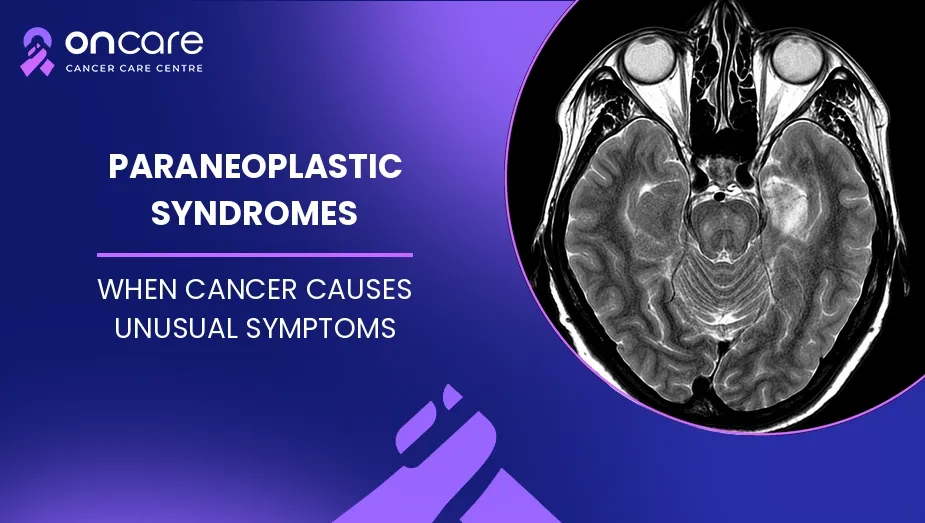
This is a state of illness that arises from effects of cancer in other regions of the body apart from where the cancer is located. These tumors can produce hormones which affect the skin, muscles and other organs of the body.
2. Spread of cancer cells directly
In some cases, cancer cells can spread to other parts of the body through the blood stream or lymphatic system from the lungs. When they reach the skin, they form nodules.
3. Abnormalities of physiological body functions
Cancer can affect the body's hormones, immunity, and other physiological processes. This might be an additional reason for abnormalities of the skin.
Are Skin Symptoms of Lung Cancer Different from Treatment Side Effects?
Yes. The alterations in the skin may happen due to the presence of the cancer itself or due to the treatment that the patient receives for the disease.
Cancer-related skin changes | Treatment-related skin changes |
|---|---|
Finger clubbing | Dry or peeling skin |
Unusual skin nodules | Redness or irritation |
Certain inflammatory rashes | Acne-like eruptions |
Acanthosis nigricans | Itching and sensitivity |
Skin darkening due to hormonal changes | Changes in skin pigmentation |
These types of drugs may cause reactions to healthy skin or initiate an immune response depending on what drug is used. Skin conditions that are associated with targeted drugs administered to EGFR positive lung cancer include an acne-like rash in the face, chest, and back areas. Immunotherapy can lead to skin-related side effects like itching and rashes. Such skin-related issues could arise because some medications affect normal skin cells or lead to an immune response. If an individual experiences a new rash, painful lesions, blisters, or any sign of infection, it is recommended to inform the oncologist. One should avoid stopping cancer treatment without consulting the oncologist.
Can Skin Symptoms Appear Before Lung Cancer Is Diagnosed?
In a few cases, skin changes such as acanthosis nigricans, dermatomyositis, or unusual skin nodules may appear before lung cancer is diagnosed. However, these are rare occurrences, and most skin conditions are non-malignant. Some factors to consider before investigating a possible malignancy include:
- If the skin changes occurred suddenly.
- If the symptoms are spreading or worsening.
- If there is any unexpected weight loss or feeling tired.
- If the patient has a chronic cough or trouble breathing.
- If there are any other unexpected results from the exam.
Skin symptoms alone cannot be used to make a diagnosis of lung cancer.
What Other Symptoms May Occur Alongside Skin Changes?
If the skin changes are linked to a lung problem, there may also be breathing difficulties as well as other health concerns too. The common symptoms of lung cancer include:
- Continued coughing over several weeks.
- Presence of blood in the cough.
- Pain in the chest area.
- Difficulty breathing.
- Weight loss that is unexplainable.
- Fatigue.
- Frequent chest infections.
- Hoarseness in the voice that does not resolve itself.
These symptoms do not automatically mean that a person has cancer, but when experienced on a regular basis, a medical examination is highly recommended.
How Do Doctors Check Skin Changes Linked to Lung Cancer?
Diagnosis of lung cancer is not done through an examination of the skin. The first step taken is that of examining the area of concern and the general health of the patient. The following tests will be done based on the symptoms:
1. Physical examination: The dermatologist will conduct a physical check on your skin, nails, and fingertips, in addition to any other skin abnormalities.
2. Skin biopsy: A sample of your skin might be taken to test for any abnormalities and skin disease.
3. Blood tests: They may help diagnose any hormonal imbalance or any other type of abnormality.
4. Chest imaging: If lung cancer is suspected, a chest X-ray or CT scan may be recommended.
5. Lung Biopsy: In case the imaging study reveals a suspicious growth in the lungs, a biopsy can be taken to verify the presence of the cancer.
These test options depend on the patient’s symptoms and physical examination findings.
Can Skin Symptoms Improve After Lung Cancer Treatment?
Sometimes the skin changes that are associated with hormone or immune function resulting from cancer can get better if the tumor itself improves with the treatment. Some of the skin problems that are associated with paraneoplastic syndrome will become less visible if there is less activity in cancer cells. But this does not always happen, and sometimes the problem can take a longer time to disappear even if the cancer itself is under control. Of course, skin reactions to cancer treatment should be managed as well.
When Should You Consult a Doctor?
It is not necessary for all skin changes to be tested for cancer. However, there are certain warning signs that cannot be overlooked, particularly if they occur suddenly or progress to get worse. Some of these warning signs of lung cancer include:
- New clubbing of fingers with an unknown cause.
- Itching persisting despite treatment.
- Swelling of the face and neck with visible veins on the chest (superior vena cava syndrome).
- Dark or thick skin lesions develop quickly.
- Development of a lump under the skin.
- Rashes that have accompanying muscle weakness.
- Changes in the skin and unexplained weight loss or difficulty breathing.
Facial, neck, or upper body swelling especially along with breathing problems can be an indication of superior vena cava syndrome, which occurs due to blockage in a major vein by a tumor.
Consult Today
Skin changes may be another indicator that a person has some other health issue, including lung cancer. It must be noted that diagnosing their true nature demands the proper medical diagnosis and not mere observation. Skin changes accompanied by respiratory ailments or other unexplained symptoms should prompt a visit to a cancer specialist.
At Oncare Cancer Hospital, patients can talk to cancer experts for advice regarding diagnosis, treatment, and personal cancer treatment. Early consultation with the doctors can be helpful in determining the underlying causes of any strange symptoms.
Disclaimer
This article is meant for general educational purposes only, and it is not meant to substitute medical advice, diagnosis, or treatment. There are different medical problems that can lead to changes in the skin.
Frequently Asked Questions
What are the skin signs of lung cancer?
Some of the strange symptoms which occur due to lung cancer are finger clubbing, excessive itching, dark spots on the skin, inflammatory rash, and unusual skin lumps.
Can lung cancer lead to itching without a rash?
Itching without a rash may happen in people with cancer. However, dry skin, allergies, liver diseases, and other health issues are more frequent reasons.
Does finger clubbing necessarily indicate lung cancer?
No, finger clubbing may develop due to other lung or heart diseases. It requires a medical examination to find the cause of the problem.
Can lung cancer cause a rash on the chest?
Yes. Lung cancer is occasionally connected with skin rashes. Chest rash is usually related to cancer treatment, especially immunotherapy and targeted therapy. For instance, skin rashes on the chest and other parts, including the face and back, can result from EGFR-targeted medications, such as gefitinib, erlotinib, and osimertinib.
Is finger clubbing from lung cancer reversible?
The finger clubbing can be improved by treatment of the underlying lung cancer, although this might not necessarily mean that it will reverse entirely in all patients. The degree of improvement will depend on the underlying condition and the effectiveness of the treatment.
Can lung cancer cause yellow skin?
Yes. Lung cancer may lead to jaundice due to liver involvement. This can occur if lung cancer metastasizes to the liver causing dysfunction or obstruction of the bile ducts.