Table of Contents
What Cancers Can Cause Itchy Skin? Is Your Itching a Hidden Red Flag?

By Dr. Gajendra Kumar Himanshu


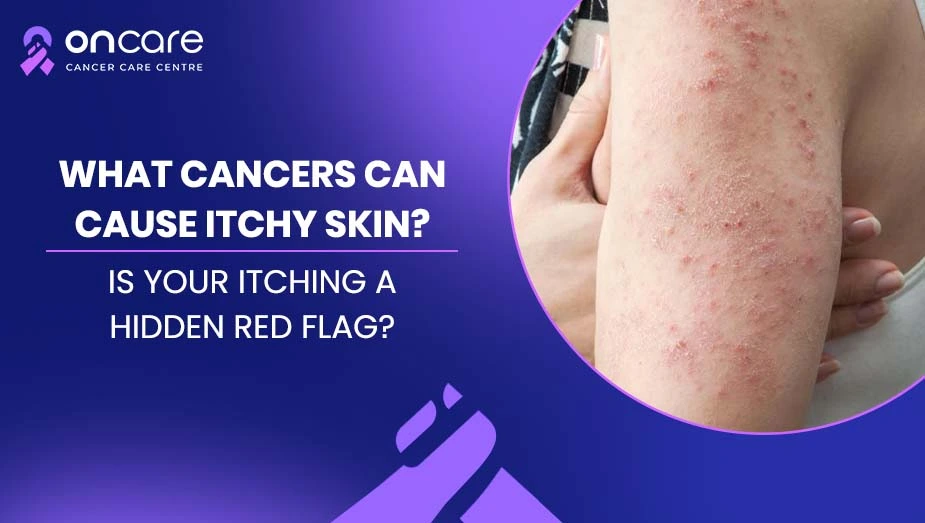
It's natural to itch a little bit here and there. It can happen simply because of dry skin, allergies, or changes in the weather. But what if the itching doesn't stop? What if there is no rash, no clear reason, and it keeps growing worse?
Persistent itching (pruritus) can sometimes be a sign of a more serious health problem, such as cancer. Itching alone doesn't mean you have cancer, but neglecting long-term unexplained itching could mean you have a serious ailment that goes undiagnosed.
The American Academy of Dermatology says that a doctor should look into prolonged itching that doesn't have an obvious explanation.
Let's figure out when itching isn't a big deal and when it can be an indication of something wrong, including when it may point to itching as a sign of cancer.
What Is Itching That Is Related to Cancer?
Some malignancies are more likely to produce itching than others.
1. Hodgkin's and Non-Hodgkin's lymphoma
Itching is a typical sign of lymphoma, especially Hodgkin's lymphoma.
- Frequently intense and enduring
- Could happen before a diagnosis
- Can affect the whole body
Cancer Research UK says that some people with lymphoma do have itching as a symptom.
2. Cancer of the liver
Itching can happen because of a buildup of bile salts in the body, which can happen with liver cancer and other liver illnesses.
- The itching could be very bad.
- Often without a rash
- Could be worse on palms and soles
The American Cancer Society says that illnesses that affect the liver might cause itching.
3. Leukemia
Changes in the immune system that happen with blood malignancies like leukemia might make you itch.
- Often with tiredness
- Infections that happen a lot
- Bruises easily
4. Cancer of the skin
Some skin malignancies, including melanoma, can make certain parts of the skin itch.
- Itching in one area
- A mole or skin area that has changed
- Bleeding or growth might happen.
5. Cancer of the Pancreas
Pancreatic cancer can make you itch, although it's not as prevalent as other types of cancer. This is especially true if it causes jaundice.
- Skin turning yellow
- Urine that is dark
- Itching all over
The NHS says that itching that comes with jaundice might be a sign of other health problems.
Causes vs. Cancer-Related Itching
Feature | Itching that happens a lot | Itching that happens because of cancer |
|---|---|---|
Cause | Allergy, dry skin | Disease inside |
Length | For a short time | Long-lasting |
Rash | A lot of the time | Usually not there |
Relief | Gets better with creams | No relief from usual treatment |
Other Signs | Not very strong | May involve losing weight and feeling tired |
When Should You Worry?
Don't freak out if you itch now and again. But you should not overlook these signs:
- Itching that lasts longer than 2–3 weeks
- No visible cause (no rash or allergies)
- Very itchy, especially at night
Other symptoms that go along with it are:
- Weight reduction that can't be explained
- Tiredness
- Fever
- Bumps or swelling
The Oncare hospital says you should consult a doctor if you keep itching or don't know why.
What makes cancer itch?
Itching that is associated to cancer can happen because of:
- The release of certain molecules, called cytokines
- How the immune system responds
- Liver problems (bile buildup)
- Irritation of the nerves
Even if there are no visible skin problems, these changes inside your body can make you itch.
What should you do if your itching doesn't go away?
If the itching doesn't go away:
- See a doctor for an evaluation.
- Get basic testing, including blood tests and liver function tests.
- Tell your doctor about all of your symptoms, even the small ones.
- Don't try to diagnose yourself.
Early testing can rule out significant reasons or find them early.
Is it possible to stop itching?
You can't always stop cancer-related itching, but you can lessen overall itching by:
- Keeping the skin moist
- Not using harsh soaps
- Keeping hydrated
- Taking care of allergies
However, if symptoms continue, medical attention is required.
Disclaimer for Medical
This post is simply meant to give you information and should not be taken as medical advice. Always see a trained healthcare expert for diagnosis and treatment.
Consult Today
Most of the time, itching isn't dangerous and is caused by things like dry skin or allergies. But you should never overlook itching that won't go away, and you don't know why, as persistent itching can sometimes be considered itching as a sign of cancer in rare cases.
In rare situations, it can be an early symptom of a more serious problem, such as cancer. Don't freak out; just be calm and act quickly. If your itching doesn't get better or is linked to other symptoms, see a doctor right away.
You might think about Oncare Cancer Hospital and other reputable healthcare providers for the right diagnosis and competent care.
Why Oncare: Listen to Our Patients





Frequently Asked Questions
Itching alone is seldom indicative of malignancy; nevertheless, persistent, unexplained itching warrants investigation.
Lymphoma is most often linked to intense itching.
It doesn't always happen, but it frequently does and doesn't get better quickly.
If the itching doesn't go away after 2 to 3 weeks and you don't know why, see a doctor.
Written and Verified by:

Dr. Gajendra Kumar Himanshu Exp: 10 Yr
Medical Officer
Book an Appointment
Related Blogs
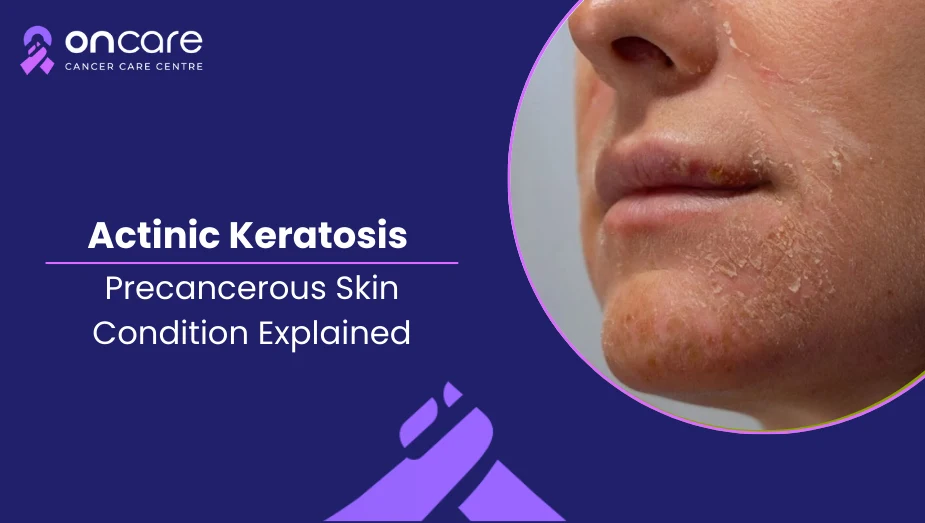
Actinic Keratosis: Precancerous Skin Condition Explained
Discover more about actinic keratosis, and its signs and symptoms, who is at risk of developing this, and its prevention and skin care and why this condition is precancerous!
Skin Cancer Symptoms in Darker Skin: What to Look Out For
Discover more about Skin cancer symptoms in darker skin, why this cancer in darker tones are not treated early, types of cancers and when to see a dermatologist
Skin Cancer Diagnosis: What to Expect During a Dermatology Check
Discover more about skin cancer diagnosis, what to expect during a dermatology checkup, why early skin checkups matter, and tips for your dermatology consultation.
How Skin Cancer Staging Influences Treatment Decisions
Learn how skin cancer staging affects treatment choices. Discover stages, symptoms & expert care at Oncare Cancer Hospital for better outcomes.