Table of Contents
Febrile Neutropenia: Why a Fever During Chemo Is a Medical Emergency

By Dr. Gajendra Kumar Himanshu


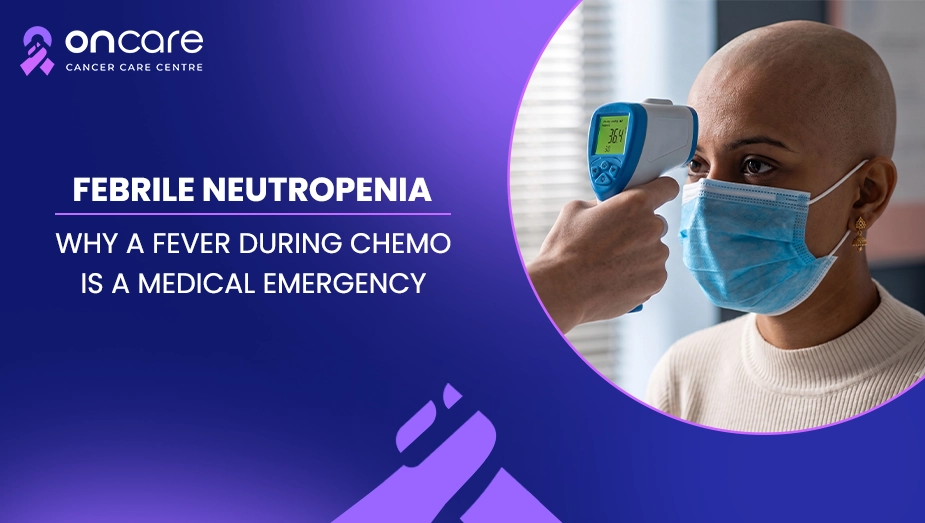
Febrile neutropenia is a dangerous complication that can occur during chemotherapy when a patient develops a fever and has a very low number of neutrophils, a kind of white blood cell that helps the body fight infection. Chemotherapy can weaken the immune system. It may make it harder for the body to fight off bacteria, viruses, and other pathogens. Therefore, a low-grade fever during therapy might often be the first indicator of an infection that needs to be treated quickly by a physician. Not every fever signals something terrible is going on, but doctors consider febrile neutropenia a medical emergency because infections can quickly progress to a critical stage when the immune system is compromised.
Knowing the warning symptoms, risk factors, ways to prevent it, and when to get help can help patients and families feel more prepared and confident throughout cancer treatment. The optimal technique is always a matter of individual risk, family history, genetic testing findings, overall health, and the doctor's advice.
In this blog, we will discuss what febrile neutropenia is, why it can arise during chemotherapy, signs and symptoms to look for, how doctors manage it, and how patients can help lower their risk.
What is Febrile Neutropenia?
To understand febrile neutropenia, it helps to know what neutrophils do. Neutrophils are a kind of white blood cell that assist the body in fighting infections. They are a vital part of your immune system and help protect you against bacteria and other organisms that might make you sick.
Chemotherapy can alter the bone marrow, and the quantity of neutrophils can be reduced momentarily. This condition is known as neutropenia.
If a patient has a low neutrophil count and develops a fever, doctors call it febrile neutropenia. A medical assessment is usually needed promptly since the body may have fewer infection-fighting cells available.
How Chemo Can Increase Infection Risk
Chemotherapy is used to kill fast-developing cancer cells, but it can also kill healthy cells that are crucial for the body's immune system. Thus, therapy may render certain individuals more susceptible to infections.
How Chemotherapy Increases Risk of Infection
Chemo is used to attack the fast-growing cancer cells. But medicine can also destroy healthy cells that develop quickly, such as the cells in the bone marrow that create blood cells.
This can mean some people have:
- Lowered white blood cell counts
- Reduced immune defenses
- Higher risk of infections
- Slow response to bacteria
The risk varies on the chemotherapy medicines given, the treatment schedule, overall health, and other medical conditions.
Never Ignore a Fever While Undergoing Chemotherapy
Healthy immune systems often have several signs when infected. However, fever may be the only indication of impending infection during periods of neutropenia. This is why healthcare providers often encourage patients to immediately report a fever.
Infections Can Get Bad Fast
When there are not enough neutrophils, the body may have more trouble fighting off infections. Early medical assessment enables clinicians to:
- Identify potential infections
- Perform the required tests
- Start treatment as soon as possible if needed
- Minimize the risk of complications
Warning Symptoms That Require Prompt Medical Attention
The most essential warning indicator is fever, although other symptoms may arise. Symptoms that may occur:
- Fever
- Shivers
- Sweating
- Weakness
- Feeling unwell
- Sore throat
- Cough
- Trouble breathing
- Burning when urinating
Some people could have a fever but not other symptoms. Your health care provider will tell you what to do if you get a fever during chemotherapy.
A Working Guide to Warning Signs
Sign | The Need To Pay Attention |
|---|---|
Fever | May be an early indicator of infection |
Shivers | May represent active infection |
Sore throat | May require medical evaluation |
Breathlessness | Needs to be tested quickly |
Burning on urination | May signal infection |
Feeling abnormally weak | May need medical review |
How Doctors Diagnose a Fever With a Low White Blood Cell Count
If a patient says they are running a fever, doctors may run a few tests to figure out why. These can include:
- Blood tests
- Measurement of white blood cell count
- Clinical examination
- Urinalysis
- Imaging studies as appropriate
The aim, then, is to detect any infection and to assess the patient's general state.
Febrile Neutropenia: How to Treat
Treatment depends on the scenario and the medical examination. Possible approaches may be:
- Antibiotics
- IV fluids
- In-hospital patient monitoring
- Blood testing and follow-up tests
- Some drugs can enhance white blood cell production in some patients
Steps That May Help Lower Risk
While we can’t always prevent diseases, there are practical methods that may help decrease germ exposure. Helpful behaviors might include:
- Wash hands
- Staying away from sick people
- Following food safety guidelines
- Following the instructions to monitor the temperature
- Follow-up appointments
- Prompt reporting of symptoms
Further advice may be provided by healthcare professionals, depending on the individual's circumstances.
Learn More From Trusted Sources
Reliable information can educate patients and families about the side effects of chemotherapy and the risks of infection.
For trusted educational materials and evidence-based information about cancer therapy, supportive care, and infection management, patients and caregivers can visit the National Cancer Institute.
The Emotional Part of Unexpected Symptoms
A fever while you are being treated is a cause for concern.
Many patients may feel:
- Worried about their health
- Unsure what's going to happen next
- Frustrated with treatment interruptions
- Anxious about hospital visits
These feelings are perfectly normal.
Support may be provided by:
- Relatives
- Friends
- Medical professionals
- Cancer support groups
- Counsellors
Patients frequently feel more supported and educated when there is open communication.
Looking Forward with Confidence
Most patients receiving chemotherapy will never develop severe consequences of febrile neutropenia, especially if symptoms are diagnosed early and treated effectively. Knowing why fever is important and when to call your health care team can help make treatment safer and less unpleasant.
No two patients are alike. Decisions about prevention, monitoring and treatment should always be based on individual risk factors, family history, genetic testing results, overall health and the advice of the doctor.
Consult Today
Febrile neutropenia happens when a patient has a fever and low neutrophil numbers while receiving chemotherapy. A moderate fever might still be an emergency needing medical attention, as the immune system can be temporarily suppressed. Early identification, rapid communication with healthcare experts, and diligent monitoring can help guarantee prompt treatment when required.
In cancer therapy and supportive care, the decision-making process should always consider the person’s risk, family history, genetic test findings, overall health and the doctor’s recommendations. Oncare Cancer Hospital is a reliable source for expert assistance, cutting-edge cancer therapy, and compassionate patient support through diagnosis, treatment, recovery, and survivorship.





Frequently Asked Questions
This is a disorder in which a patient has a fever and has a low quantity of white blood cells called neutrophils that fight infection.
A fever can be the first sign of an illness when the immune system is compromised and needs prompt evaluation.
Call immediately if you have fever, chills, shortness of breath, sore throat, pain or burning when you urinate, or feeling very sick.
Yes. Depending on the individual scenario, doctors may employ antibiotics, watchful waiting, supportive treatment, and other treatments.
Written and Verified by:
Dr. Gajendra Kumar Himanshu Exp: 10 Yr
Medical Officer
Book an Appointment
Related Blogs

Scalp Cooling (Cold Caps): Can It Reduce Chemotherapy Hair Loss?
Learn how scalp cooling may help reduce chemotherapy-related hair loss, what to expect, benefits, limitations, and support at Oncare Cancer Hospital.

Probiotics and Gut Health for Cancer Patients on Chemotherapy
Learn how probiotics may support gut health during Chemotherapy, their potential benefits, safety considerations, and when Cancer patients should use them.
Chemotherapy vs Immunotherapy vs Radiation Therapy: Understanding the Differences
Compare chemotherapy, immunotherapy, and radiation therapy, including benefits, side effects, and treatment options at Oncare Hospital with expert cancer care.

Heart Health During Chemotherapy: Cardio-Oncology Explained
Learn how chemotherapy may affect heart health, common warning signs, and the role of cardio-oncology in cancer care with expert support from Oncare Cancer Hospital.