Table of Contents
Colon Cancer Recurrence: Surveillance Tests and Risk Factors

By Dr. Gajendra Kumar Himanshu


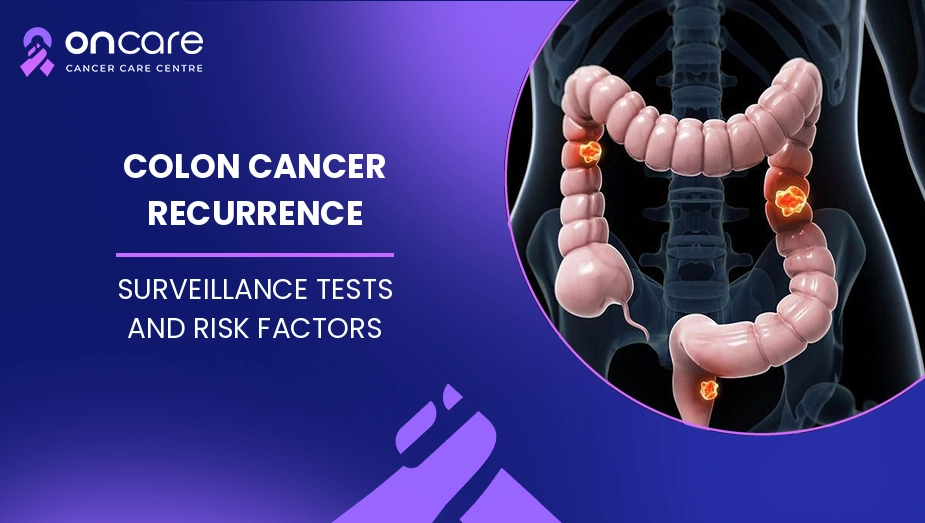
Colon cancer recurrence occurs when cancer comes back after therapy, during a time when there were no obvious signs of disease or the cancer appeared to be under control. Many patients complete treatment and move on with their lives, but regular follow-up care is a crucial aspect of long-term health. Recurrence can happen because even after therapy, a few cancer cells may remain in the body. This does not mean that treatment has failed, and it does not mean that recurrence will definitely happen.
Regular surveillance testing, awareness of prospective symptoms, and knowledge of specific risk factors can help patients and doctors monitor recovery and make educated decisions regarding future care. The appropriate follow-up approach depends on the person’s risk, family history, genetic testing findings, general health, and the doctor’s advice.
In this blog, we’ll discuss what is meant by recurrence of colon cancer, the surveillance tests that are routinely used by doctors, major risk factors and why long-term monitoring is so vital following treatment.
What Does Colon Cancer Relapse Mean?
After treatment, many patients enter a phase known as remission. Remission means:
- No apparent sign of cancer detected
- Symptoms may improve or resolve
- Tests can show that the condition is under control
However, remission does not necessarily mean that all cancer cells have been removed from the body.
Sometimes a few cancer cells may be left behind. These cells can start growing again later. This is called recurrence.
The Need for Long-Term Monitoring
Follow-up care is how your doctors keep an eye out for your healing and any indicators that your cancer may have come back.
Regular monitoring may help:
- Identify recurrence early
- Monitor the progress of recovery
- Manage the side effects of treatment
- Treat new symptoms
- Support long-term health planning
Many people are relieved to hear that their health is being properly monitored.
Follow-Up Tests After Colon Cancer Treatment
Doctors use different tests depending on a patient’s medical history and treatment strategy.
Physical Exams and Review of Medical History
During routine appointments, doctors commonly review symptoms, progress to recovery, and general health. Doctors might ask about:
- Altered bowel habits
- Sudden, unexplained weight loss
- Tiredness
- Pain in the abdomen
- General well-being
Laboratory Tests
Blood tests may be used to assess overall health and check for changes that may need additional evaluation.
One test that is often performed is the CEA (carcinoembryonic antigen) blood test. This may assist doctors in monitoring some patients after therapy.
Colonoscopy
Colonoscopy is still one of the most essential surveillance methods following therapy for colon cancer. This procedure lets doctors see inside the colon and look for:
- New growths
- Unusual tissue
- Signs of relapse
When you have a colonoscopy depends on your situation and your doctor’s advice.
Imaging Studies
Your doctor may recommend imaging studies such as:
- CT scan
- MRI scans in some situations
- Other imaging tests if needed
These tests help in evaluating regions that cannot be assessed during a physical examination.
Practical Guide to Surveillance Testing
Surveillance Test | Objective |
|---|---|
Physical exam | Check for signs of recurrence and monitor recovery |
Blood testing | Monitor general health and specific markers |
Colonoscopy | Examine the colon for any abnormality |
CT scan | Look for evidence of recurrence elsewhere |
Review of medical history | Identify other symptoms and concerns to consider |
What You Should Know About the Risk of Relapse
Every patient is different, and the risk of recurrence varies from patient to patient. Risk can be affected by several things.
Stage of Cancer upon Diagnosis
Higher likelihood of recurrence is generally associated with more advanced malignancies than earlier-stage tumours.
Tumour Features
Some biological characteristics of a tumour may affect its behaviour and response to treatment.
Response to Treatment
Plans for surveillance may also take into account the initial response to therapy.
Personal and Family Factors
Doctors may think of:
- Family history of cancer
- Results of genetic testing (if any)
- General health
- Other medical problems
- Lifestyle factors
These considerations assist healthcare teams in designing individual follow-up programs.
Possible Symptoms to Discuss
There are many reasons why symptoms can emerge that are not cancer. But if you have changes that continue, you should let your healthcare professional know. Possible symptoms include:
- Alterations in bowel patterns
- Persistent stomach discomfort
- Unexplained weight loss
- Constant tiredness
- Bloody stool
- Loss of appetite
Prompt communication enables the doctor to determine whether additional assessment is necessary.
Health, Wellness, and Recovery After Treatment
Healthy behaviours can help you feel your best after treatment for colorectal cancer. Some useful techniques to consider could be:
- Attending follow-up visits
- Staying active when appropriate
- Eating a healthy diet
- Avoiding tobacco products
- Coping with stress
- Following your doctor’s advice
These habits improve overall health, but cannot ensure that recurrence will or will not occur.
Getting More From Trusted Resources
Reliable information can assist patients and families in better understanding colon cancer survivorship and follow-up care.
For evidence-based information about colon cancer therapy, surveillance, and survivorship, readers can visit the National Cancer Institute for reliable educational resources for patients and caregivers.
Tomorrow’s Hope
While most colon cancer survivors are under regular surveillance, many go on to enjoy busy and meaningful lives.
Surveillance is not about instilling fear; it’s about supporting long-term health through attentive observation and timely medical care. All follow-up planning is tailored to personal risk factors, family history, genetic test results, overall health, and the doctor’s advice.
Consult Today
Colon cancer recurrence occurs when the cancer comes back after treatment and a time of remission. Recurrence isn’t inevitable, but regular surveillance testing, including colonoscopies, blood testing, imaging investigations and routine medical checkups, is a crucial part of long-term therapy. Awareness of individual risk factors and adherence to follow-up treatment can assist patients and healthcare practitioners in making informed decisions about future health.
Treatment and monitoring decisions should always be based on individual risk, family history, genetic testing results, overall health and the doctor’s recommendations. Oncare Cancer Hospital is a trusted name for expert guidance, comprehensive cancer care, and compassionate patient support through diagnosis, treatment, recovery, and survivorship.





Frequently Asked Questions
This signifies that the cancer has come back after therapy, at a time when it seemed to be under control or could no longer be found.
Doctors may utilise colonoscopy, blood tests, radiology scans, physical exams, and medical history reviews.
No. Many patients never have a recurrence, but it is still vital to be monitored regularly.
They let doctors monitor recovery, discover issues early, and decide whether more testing is required.
Written and Verified by:
Dr. Gajendra Kumar Himanshu Exp: 10 Yr
Medical Officer
Book an Appointment
Related Blogs

Skin Cancer and Melanoma Recurrence: Self-Checks and Monitoring
Why skin cancer and melanoma can return after treatment, how to carry out a skin self-examination at home, the ABCDE warning signs to watch for, and what follow-up monitoring usually involves.
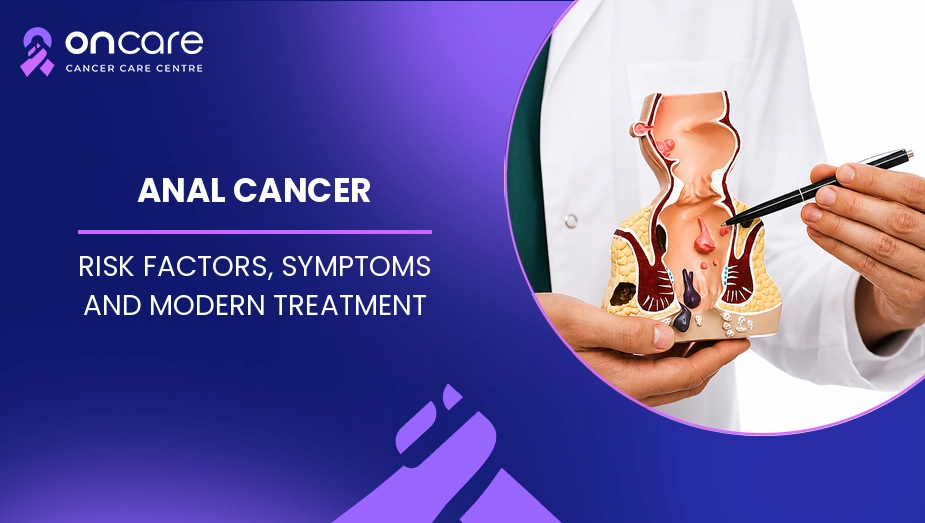
Anal Cancer: Risk Factors, Symptoms and Modern Treatment
What anal cancer is, the risk factors that raise the chance of developing it, the symptoms that should never be dismissed as haemorrhoids, when to see a doctor, and the modern treatment options available.
Fear of Cancer Recurrence: How Survivors Can Manage Anxiety Long-Term
Manage fear of cancer recurrence with expert tips from Oncare Cancer Hospital. Learn how survivors can reduce anxiety and stay mentally strong long-term.
How Can Cancer Survivors Manage the Fear of Recurrence?
Learn practical ways for managing fear of cancer recurrence and living confidently. Consult Oncare Cancer Hospital for expert care and emotional support today.