Table of Contents
Skin Cancer and Melanoma Recurrence: Self-Checks and Monitoring

By Dr. Gajendra Kumar Himanshu


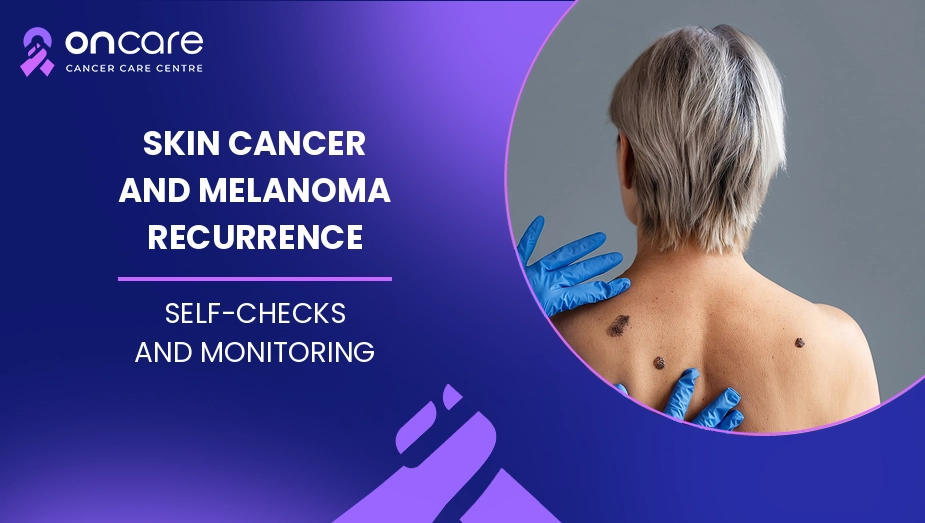
Skin cancer and melanoma recurrence means the cancer returns after therapy at the original site, nearby lymph nodes or elsewhere in the body. Regular skin self-exams, routine follow-up visits and early assessment of new or changing symptoms can aid early detection. Surveillance continues after therapy has ended, even when there is no evidence of malignancy.
In this blog, we talk about why skin cancer and melanoma can come back, how to do your own skin check at home, warning signs that need medical care, and what to expect during follow-up surveillance. You’ll also discover how frequent checkups and everyday tips for taking care of your skin can help with long-term maintenance after treatment.
The Importance of Monitoring After Skin Cancer Treatment
Finishing skin cancer treatment is a huge milestone, but recovery is a part of the process, including follow-up care. Some people may be at risk of recurrence because a few cancer cells may stay hidden after therapy. The risk level is based on the type of skin cancer, its stage and depth, where it is located, the therapy you had and whether neighbouring lymph nodes were affected.
Melanoma can spread beyond the skin; thus, it often needs closer long-term monitoring. Those who have been treated for melanoma in the past may be at an increased risk of acquiring a new melanoma. People who have had basal cell carcinoma or squamous cell carcinoma are at risk of developing new skin malignancies in other parts of the body, particularly with extensive UV exposure.
But regular monitoring should not be a constant worry. Its objective is to detect significant changes in good time and ensure that they are adequately evaluated. Self-checks in between consultations can help, and when needed, expert examination and testing can be done through clinical follow-up.
What is skin cancer or melanoma recurrence?
Recurrence is when cancer comes back after therapy during a time when there were no signs of disease that could be detected. This isn’t the same as a new primary skin cancer, but both need a medical evaluation.
A few ways skin cancer can come back are:
- Local recurrence: The cancer returns at or near the area where it first started.
- Regional recurrence: Cancer is detected in surrounding tissue or lymph nodes.
- Distant recurrence: The cancer has progressed to another part of the body, such as the lungs, liver, brain, bones, or distant lymph nodes.
The likelihood and timing of recurrence are different for each person. Some recurrences happen in the first few years after therapy, but others may happen later. This is why follow-up schedules are often individualised to the patient rather than being the same for everyone.
How to Do a Skin Self-Examination
Check your skin often in a well-lit room, using a full-length mirror and a hand mirror. Your doctor can tell you how often you should do self-checks. Check your face, scalp, neck, chest, arms, hands, back, legs, feet, soles, and between your fingers and toes. Have a family member help to check areas that are hard to see.
Pay close attention to the original cancer site and surgical scar. Look for new lumps, or changes in colour or thickness, unusual discomfort, bleeding or sores that don’t heal. Make notes or take images of existing spots to monitor changes over time, but do not use them as a substitute for a dermatologist’s examination.
What to Watch For and When to See a Doctor
A changing mole can be an essential warning sign of melanoma, although recurrence doesn’t always appear like a regular mole. This may appear as a new spot, lump under the skin, or alteration near the initial treatment site or surgical scar. If you develop any new, unusual or persistent changes, call your healthcare practitioner.
The ABCDE Guide to Moles
Letter | Warning Sign | What to Watch For |
|---|---|---|
A | Asymmetry | One side of the mole is different from the other. |
B | Border | Edges appear irregular, fuzzy, uneven or poorly defined. |
C | Colour | The spot is brown, black, red, white or blue in various ways. |
D | Diameter | The mole is growing larger or is larger than about 6 millimetres. Melanoma might sometimes be smaller. |
E | Evolving | The mole changes in size, shape, colour, texture or symptoms over time. |
The “ugly duckling” indicator can also be used to identify a suspicious spot. If a mole or skin lesion doesn’t contain all of the ABCDE features but seems different from the other areas on your body, have it checked.
Other warning symptoms include a new lump under the skin, persistent itching, unexplained bleeding, a crusted region that keeps coming back or a sore that does not heal. These changes don’t mean the cancer has come back, but you should see a healthcare professional to get checked out.
Symptoms Beyond Skin
Sometimes melanoma recurrence might develop symptoms at a different spot than the original skin lesion. Symptoms that may be experienced include a prolonged, unexplained cough, ongoing headaches, strange pain in the bones, abdominal discomfort, unexplained weight loss, ongoing exhaustion or swelling in an area of lymph nodes.
These symptoms are seen commonly in many benign illnesses. Their presence alone does not mean recurrence. The most important thing is to report any new, persistent, worsening, or unusual symptoms. Your doctor can advise whether an examination, imaging, a blood test or other study is suitable.
Follow-Up Monitoring: What does it consist of?
Follow-up care typically includes a review of symptoms and a comprehensive skin inspection. The doctor may evaluate the original area of therapy and look for adjacent lymph nodes. How often you have appointments depends on your original diagnosis, the stage of cancer, the therapy you have had and your particular risk factors.
People treated for early-stage skin cancer may not need to be seen as often; however, those with high-risk melanoma may need more frequent follow-up. Follow-up visits may be more frequent in the first few years and less frequent as time progresses.
Not all patients need to have imaging tests such as ultrasonography, CT, PET, or MRI. They may be advised if the symptoms, findings on examination, stage of the malignancy or likelihood of recurrence indicate that further assessment may be appropriate. If a suspicious skin lesion is identified, a biopsy may be performed to evaluate if cancer cells are present.
Even if you feel healthy, follow-up appointments are important. A few changes can be seen on inspection before they produce any visible symptoms.
When to go to your doctor
Don’t wait for your next follow-up appointment if you notice:
- New or altered mole
- A bulge in the area where the cancer first started or in the lymph nodes
- Bleeding or sore that won’t heal
- New swelling, ongoing pain or inexplicable symptoms
- A skin alteration that keeps growing or doesn’t go away
Getting medical attention early can help to determine the reason and to support timely care if needed. The National Cancer Institute provides reliable information on melanoma recurrence, treatment, and follow-up monitoring.
Consult Today
If you have had skin cancer or melanoma before and see a new change in your skin, an unusual lump, or a symptom that lasts, you might want to speak with a cancer specialist. At Oncare Cancer Hospital, patients get customised evaluation, follow-up advice and coordinated cancer care according to their diagnosis and treatment history. Contact us today to learn more about what monitoring plan could be right for you.
Disclaimer
This information is designed for educational purposes only and should not be used to treat a health problem or diagnose any condition. Follow-up regimens and testing needed vary from patient to patient. Always seek the advice of a trained dermatologist, oncologist or other health care provider about any new skin lesions, persistent symptoms or concerns about cancer recurrence.





Frequently Asked Questions
Many individuals are encouraged to check their skin once a month, but the frequency may vary depending on the stage of melanoma, treatment history and individual risk. Follow the timetable your dermatologist or oncology team has set for you.
Signs that melanoma may have returned include a new or changing mole, a dark or odd patch, a lump near where the first treatment was, alterations around a surgical scar or swelling of neighbouring lymph nodes. It may not look like the melanoma you started with.
Yes. Melanoma can come back years after treatment; however, the chance of recurrence is different for different patients. Long-term skin awareness and follow-up care are necessary even when there have been no signs of cancer for a long time.
No. Routine scans are not required for all patients. Imaging may be suggested based on the kind and stage of skin cancer, symptoms, physical examination results, treatment history, and predicted risk of recurrence.
Written and Verified by:
Dr. Gajendra Kumar Himanshu Exp: 10 Yr
Medical Officer
Book an Appointment
Related Blogs
Radiation Dermatitis: Skin Care Steps Before, During and After Treatment
Learn skin care tips for radiation dermatitis before, during, and after treatment to reduce irritation and support healing at Oncare Cancer Hospital.
Skin Leukemia Symptoms: Signs You Shouldn’t Ignore
Learn leukemia skin symptoms, bruising, and warning signs. Know when to see a doctor and get expert care at Oncare Cancer Hospital for early diagnosis.
Sun Protection Tips to Help Prevent Skin Cancer
Discover sun protection tips to prevent skin cancer, including sunscreen use, protective clothing, and UV safety. Consult Oncare Cancer Hospital for expert care.
Stage 4 Skin Cancer: How It Spreads and What Happens Next
Learn about stage 4 skin cancer, how it spreads, symptoms, and advanced treatment options like immunotherapy and targeted therapy at Oncare Cancer Hospital.