Table of Contents
Fear of Cancer Recurrence: How Survivors Can Manage Anxiety Long-Term

By Dr. Gajendra Kumar Himanshu


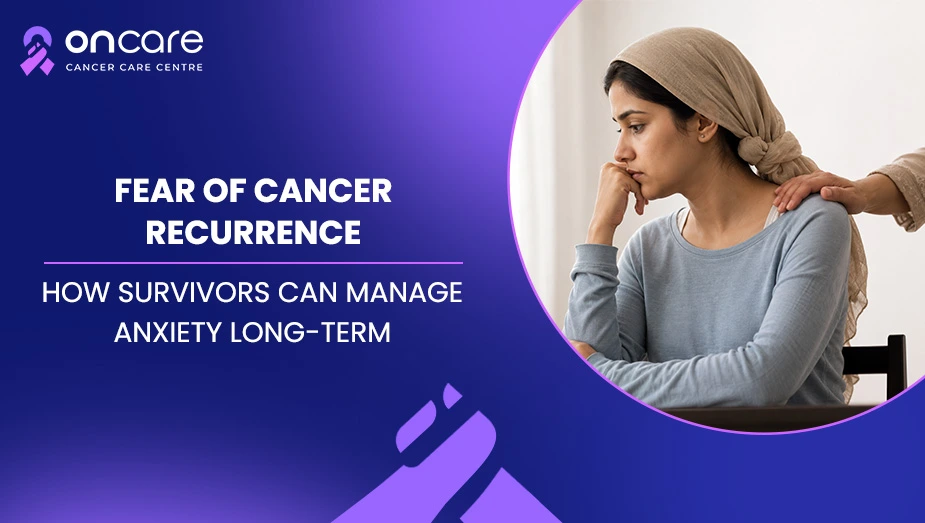
It is common for cancer survivors to worry emotionally about their cancer coming back. Many people still feel anxious even after treatment is over, worrying that the cancer might return in the future. Long-term anxiety can affect emotional wellbeing, sleep, confidence and daily life, but emotional support, healthy coping strategies and regular medical check-ups may help survivors feel calmer and more confident during recovery.
For many survivors, the end of treatment does not always mean the end of emotional stress. Follow-up scans, doctor visits, physical symptoms or even small body changes may trigger fear and uncertainty. Some survivors may constantly think about recurrence, while others may feel emotionally exhausted trying to stay positive.
The good news is that these feelings are very normal and manageable. Modern survivorship care focuses not only on physical recovery but also on emotional wellness and mental health after cancer treatment. Counselling, support groups, healthy routines and communication with doctors may help survivors manage anxiety more comfortably over time.
This article explores why fear of recurrence happens, how anxiety may affect emotional health, healthy coping strategies and why emotional support remains important long after treatment ends.
Understanding the Fear of Cancer Returning
Fear of recurrence is the worry that cancer may come back after treatment has ended. Many survivors experience these thoughts, especially during follow-up visits or when noticing changes in their health.
Emotional stress may range from mild concern to long-term anxiety that affects emotional wellbeing and daily life.
Why Survivors Experience This Fear
Cancer survivors may worry about:
- Future health problems
- Results of follow-up scans
- Physical symptoms
- Returning to normal life
- Family responsibilities
Emotional Impact
Long-term anxiety may sometimes affect:
- Sleep quality
- Concentration
- Confidence
- Relationships
- Emotional stability
Why Anxiety May Continue After Treatment
Even after successful treatment, emotional healing may take time. Many survivors spend months or years dealing with treatments, hospital visits and physical recovery, so emotional adjustment may feel difficult.
Fear of recurrence may increase around medical tests, cancer-related conversations or diagnosis anniversaries.
Common Emotional Triggers
Patients may feel anxious during:
- Follow-up appointments
- Medical imaging tests
- Physical discomfort
- Waiting for test results
- Conversations about cancer
Fear Is Not Weakness
Many survivors feel confused or guilty about ongoing anxiety, but emotional fear after cancer treatment is very common and understandable.
Healthy Ways to Manage Long-Term Anxiety
Managing fear of recurrence often includes emotional support, healthy habits and trusted support systems. Survivors may slowly feel emotionally stronger when they practice coping skills and stay connected with healthcare professionals and supportive people.
Talk Openly About Feelings
Sharing worries with doctors, counsellors or trusted family members may help reduce emotional pressure.
Focus on What You Can Control
Healthy habits may help survivors feel more confident during recovery, such as:
- Balanced meals
- Proper sleep
- Staying physically active
- Attending follow-up appointments
- Practising relaxation techniques
Avoid Constant Online Searching
Too much unverified health information online may increase fear, confusion and emotional stress.
Managing Long-Term Anxiety: Quick Overview
Emotional Challenge | Helpful Support |
|---|---|
Fear of recurrence | Communication and counselling |
Scan anxiety | Emotional preparation |
Stress and overthinking | Relaxation techniques |
Feeling isolated | Support groups |
Low confidence | Family and survivor support |
The Importance of Emotional Support
Cancer survivorship is not only about physical healing. Emotional recovery also remains an important part of long-term wellness after treatment. Support from family members, healthcare professionals and survivor communities may help patients feel emotionally stronger and less alone.
Counselling and Therapy
Professional counselling may help survivors cope with:
- Anxiety
- Fear
- Stress
- Emotional exhaustion
- Negative thoughts
Support Groups
Talking with other cancer survivors may provide comfort, reassurance and emotional understanding.
Family Support Matters
Supportive communication at home may help survivors feel emotionally safer and more confident during recovery.
Healthy Lifestyle Habits for Survivors
Healthy daily habits may support both emotional and physical wellbeing after cancer treatment. While these habits may not completely remove anxiety, they may improve overall wellness and help build confidence during recovery.
Stay Physically Active
If approved by doctors, light exercise may help reduce stress and improve mood.
Prioritize Sleep and Rest
Proper sleep may support emotional balance and mental wellbeing.
Practice Relaxation Techniques
Some survivors find meditation, breathing exercises and mindfulness practices emotionally calming.
When Survivors Should Seek Professional Help
Some anxiety after cancer treatment is normal, but severe emotional distress should not be ignored. If anxiety affects daily activities, relationships or emotional health for long periods, professional medical and psychological support may help.
Signs That Emotional Support May Be Needed
Patients may experience:
- Constant fear
- Panic attacks
- Frequent difficulty sleeping
- Social withdrawal
- Trouble managing daily activities
Why Asking for Help Matters
Seeking emotional support is a healthy part of recovery and not a sign of weakness.
Trusted Government Health Information
Patients should always seek emotional wellness and survivorship care information from trusted medical sources.
Patients can visit the official website of the National Library of Medicine for trusted information regarding cancer recovery, emotional wellness and patient support guidelines.
Consult Today
Even after successful treatment, many cancer survivors continue to experience fear, uncertainty and emotional stress about recurrence. Healthy coping strategies, emotional support and regular medical guidance may help survivors manage these feelings more comfortably over time.
Every survivor’s journey is unique and recovery often includes both physical healing and emotional wellness support. Open conversations, counselling, healthy routines and supportive care may help survivors feel calmer, stronger and more confident after cancer treatment.
For survivors seeking expert cancer care, emotional support and compassionate recovery guidance, Oncare Cancer Hospital is known for providing advanced cancer treatment, survivorship support and patient-focused recovery care throughout the healing journey.





Frequently Asked Questions
Yes, many cancer survivors worry about recurrence even after treatment has ended.
Yes, counselling and emotional support may help survivors cope better with fear, stress and uncertainty.
Yes, support groups may help survivors feel understood, emotionally supported and less isolated.
Professional support may help if anxiety becomes severe, long-lasting or starts affecting daily life and emotional wellbeing.
Written and Verified by:
Dr. Gajendra Kumar Himanshu Exp: 10 Yr
Medical Officer
Book an Appointment
Related Blogs
Splitting Caregiving Duties: A Family Plan for Long-Term Cancer Treatment
Learn how to split caregiving duties with Oncare Cancer Hospital. Create a family care plan for long-term cancer treatment and reduce caregiver stress.
What Does Long-Term Follow-Up Care After Cancer Look Like?
Learn the importance of long-term follow-up care after cancer. manage side effects, and consult Oncare Cancer Hospital for expert guidance and support.
How Can Cancer Survivors Manage the Fear of Recurrence?
Learn practical ways for managing fear of cancer recurrence and living confidently. Consult Oncare Cancer Hospital for expert care and emotional support today.
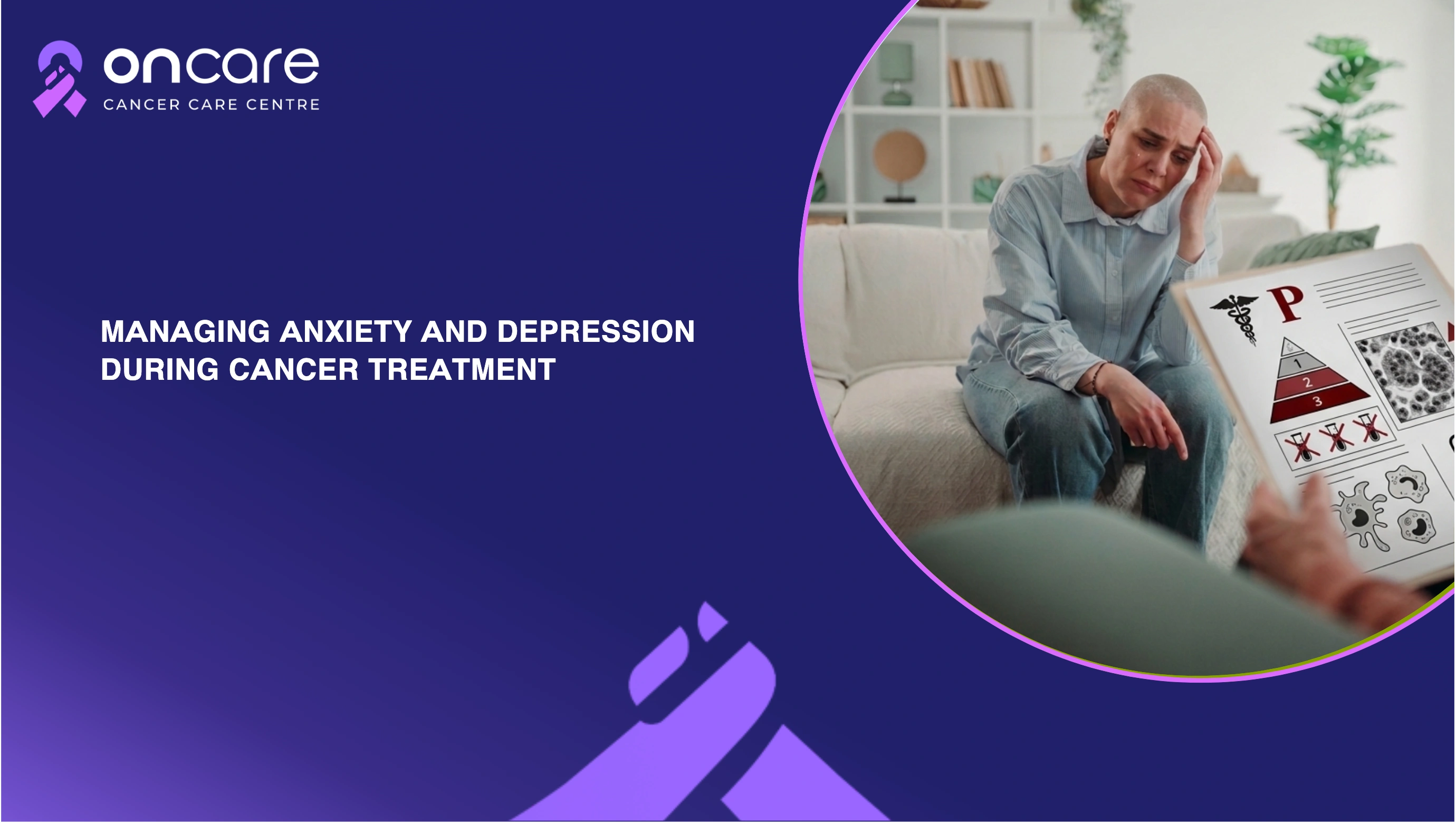
Managing Anxiety and Depression During Cancer Treatment
Learn how to manage anxiety and depression during cancer treatment. Practical tips, emotional support, and professional care to protect mental health and well-being.