Table of Contents
Cancer Survivor Support Groups in India: How They Help and How to Join

By Dr. Gajendra Kumar Himanshu


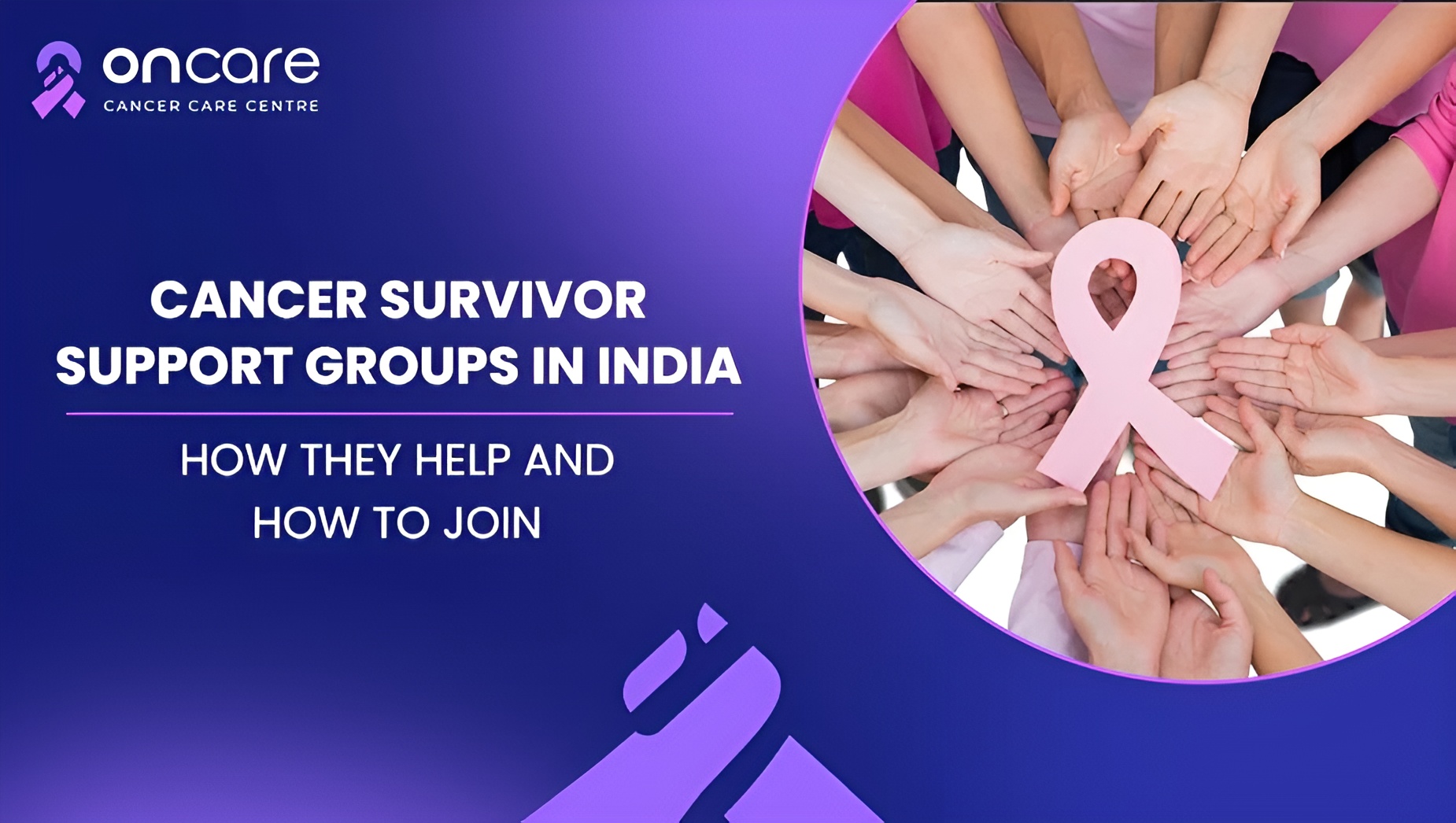
Cancer survivor support groups are communities of cancer patients, survivors and sometimes caregivers who come together to share experiences, emotional support and recovery guidance.
These groups may help survivors feel less isolated, emotionally stronger and more confident while adjusting to life after cancer treatment. Emotional healing can be just as important as physical healing, and support groups may provide comfort during difficult phases of survivorship.
Many cancer survivors continue to experience fear, anxiety, emotional stress or uncertainty even after treatment is completed. Speaking with others who have gone through similar experiences may help survivors feel understood and emotionally supported.
Today, many hospitals, cancer organizations and online communities in India provide support groups focused on emotional wellness, counseling and survivorship guidance.
This article discusses cancer survivor support groups in India, their emotional and mental health benefits, the different types of support groups available and how survivors and caregivers may comfortably join these communities during recovery.
Why Support Groups Matter During Cancer Recovery
Cancer recovery may affect emotional wellbeing as much as physical health. Returning to normal routines after treatment may take time, and many survivors can feel emotionally overwhelmed during this adjustment period.
Support groups provide a safe environment where survivors may openly discuss fears, emotions and recovery experiences without judgment.
How Emotional Support Helps Survivors
Support groups may help survivors:
- Feel less isolated
- Build emotional confidence
- Share coping strategies
- Learn recovery guidance
- Feel emotionally understood
Open Conversations May Reduce Emotional Stress
Talking openly about survivorship experiences may help reduce fear, anxiety and emotional pressure during long-term recovery.
Types of Cancer Survivor Support Groups in India
Today, several types of support groups are available through hospitals, online communities and nonprofit organizations. Some groups focus on specific cancer types, while others provide emotional counseling or caregiver support.
Hospital-Based Survivor Support Groups
Many hospitals may offer:
- Survivor meetings
- Counseling sessions
- Emotional wellness programs
- Group discussions
- Recovery support services
Online Support Communities
Virtual support groups allow survivors to connect through video calls, social media groups and online counseling sessions from the comfort of home.
Support Groups for Caregivers and Families
Caregivers and family members may also experience emotional stress, and support groups may help them feel emotionally supported during recovery.
Cancer Survivor Support Groups at a Glance
Type of Support Group | Potential Benefit |
|---|---|
Hospital survivor groups | Emotional support and recovery guidance |
Online support groups | Easy access from home |
Counseling groups | Mental health and emotional support |
Caregiver support groups | Emotional support for families |
Cancer-specific groups | Shared recovery experiences |
How Survivors Can Join Support Groups Comfortably
Some survivors may initially feel nervous about joining support groups, especially while coping with emotional stress after treatment. However, many communities are welcoming and allow participants to engage at their own comfort level without pressure.
Ask Hospitals About Survivor Programs
Many hospitals and cancer organizations provide verified emotional wellness programs and survivor communities.
Start Slowly and Participate at Your Own Pace
Some survivors may feel more comfortable listening quietly at first before sharing their own experiences.
Choose Groups That Match Your Needs
Patients may select support groups based on cancer type, language preference or emotional comfort.
Understanding Emotional Challenges During Survivorship
Even after successful treatment, emotional recovery may continue for months or years. Survivors may continue experiencing fear of recurrence, anxiety or emotional exhaustion during long-term recovery.
Support groups may help survivors feel emotionally stronger while adjusting to life after cancer treatment.
Common Emotional Challenges
Patients may experience:
- Fear of recurrence
- Anxiety
- Emotional stress
- Uncertainty
- Feelings of isolation
Why Emotional Wellness Matters
Better emotional wellbeing may improve confidence, social connection and overall quality of life after cancer treatment.
Healthy Lifestyle Habits That Support Recovery
Healthy daily habits may support both physical and emotional wellness during survivorship. Proper nutrition, physical activity and emotional support systems may help survivors feel more balanced and energized during recovery.
Balanced Nutrition and Physical Activity
Nutritious meals and medically approved physical activity may help support long-term recovery and wellbeing.
Stay Connected With Support Systems
Support from family, friends and survivor communities may provide emotional reassurance during difficult phases of recovery.
Attend Follow-Up Appointments Regularly
Routine medical follow-up visits remain important for monitoring long-term health after cancer treatment.
Trusted Government Health Information
Cancer survivors should always seek reliable information from trusted medical organizations and healthcare providers. Accurate information may help survivors better understand emotional wellness and survivorship care after treatment.
Patients can visit the official website of the National Cancer Institute for trusted information regarding cancer recovery, emotional wellness and patient support guidelines.
Consult Today
Cancer survivor support groups may provide emotional comfort, encouragement and understanding during life after cancer treatment. Many survivors feel less isolated and more empowered when they connect with others who understand the emotional and physical challenges of recovery.
Emotional wellness, counseling and supportive conversations continue to be important parts of survivorship care. Recovery is different for every survivor, and support groups may help patients rebuild confidence, manage emotional stress and develop healthier coping strategies over time.
For survivors seeking advanced cancer care, emotional wellness support and compassionate recovery guidance, Oncare Cancer Hospital is known for providing advanced cancer treatment, survivorship support and patient-focused recovery care throughout the healing journey.





Frequently Asked Questions
Support groups are communities where cancer survivors and patients share emotional support and recovery experiences.
Yes, some support groups also welcome family members and caregivers.
Yes, many hospitals and organizations now provide online support communities for survivors and caregivers.
Support groups may help survivors manage emotional stress and feel less alone during recovery.
Written and Verified by:
Dr. Gajendra Kumar Himanshu Exp: 10 Yr
Medical Officer
Book an Appointment
Related Blogs
Second Cancers: Why Survivors Need Lifelong Screening
Learn why lifelong screening matters after cancer with Oncare Cancer Hospital. Understand second cancers, risks, and how to stay protected long-term.
Building a New Normal: Lifestyle Changes Every Cancer Survivor Should Adopt
Build a healthy life after cancer with Oncare Cancer Hospital. Learn lifestyle changes, habits, and routines for long-term recovery and well-being.
Fear of Cancer Recurrence: How Survivors Can Manage Anxiety Long-Term
Manage fear of cancer recurrence with expert tips from Oncare Cancer Hospital. Learn how survivors can reduce anxiety and stay mentally strong long-term.
Life After Cancer: A Survivor's Roadmap to the First Year of Recovery
Discover a practical roadmap for life after cancer. Learn how to recover physically, manage emotions, and rebuild your routine in the first year.