Table of Contents
Building a New Normal: Lifestyle Changes Every Cancer Survivor Should Adopt
By Dr. Gajendra Kumar Himanshu


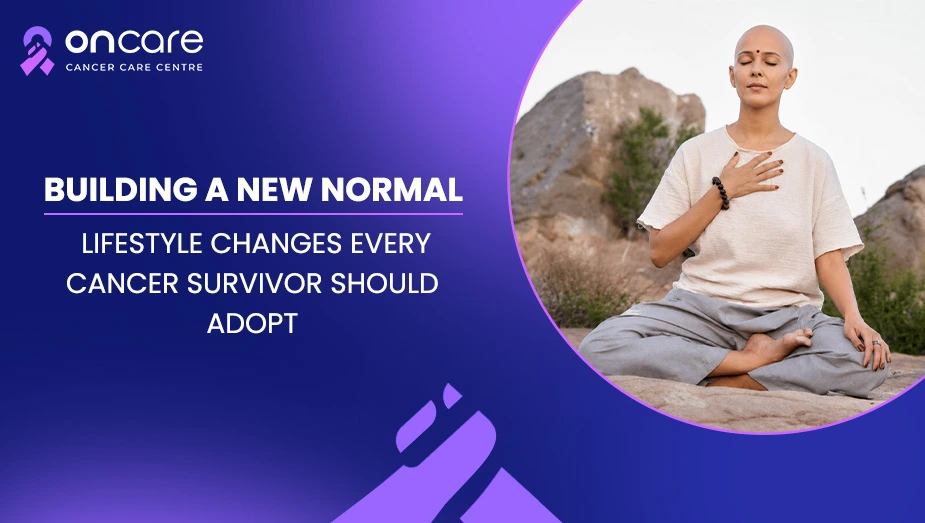
Part of adjusting to a new normal after cancer treatment includes developing healthier lifestyle habits, emotional recovery and long-term wellness practices that support physical and mental wellbeing. Many cancer survivors may continue to experience fatigue, emotional stress, anxiety or changes in their daily routine even after treatment has ended.
Healthy eating, regular physical activity, emotional support, proper sleep and routine follow-up care may help survivors feel stronger and more confident during recovery.
Cancer survivorship is not only about completing treatment. It is also about learning how to live a healthier and more balanced life after cancer. Every survivor’s journey is unique and recovery may take time emotionally and physically.
With proper guidance, self-care and healthy routines, many survivors may gradually rebuild strength, improve emotional wellbeing and create positive habits that support long-term recovery and quality of life.
This blog explains why lifestyle changes matter after cancer treatment and how healthy eating, exercise, emotional wellness and follow-up care may support survivorship and long-term healing.
Why Lifestyle Changes Matter After Cancer Recovery
Cancer treatment may continue to affect physical health, emotional wellbeing and daily routines even after treatment ends. Some survivors may experience weakness, emotional stress, appetite changes or reduced confidence during recovery.
Healthy lifestyle habits may support healing, improve energy levels and help survivors feel more prepared for long-term wellness after treatment.
How Healthy Habits Support Long-Term Recovery
Positive lifestyle habits may help survivors:
- Rebuild strength
- Support emotional wellness
- Reduce stress
- Improve sleep quality
- Promote overall health
Recovery Takes Time
Every survivor’s recovery journey is different and may depend on the type of cancer, treatment received and overall health condition. Survivors should give themselves time and patience during rehabilitation.
Healthy Eating Habits to Restore Strength and Energy
Nutrition continues to play an important role during survivorship because the body may still need support while recovering from cancer treatment. A balanced diet may help survivors maintain energy, heal better and support emotional wellbeing.
Choose Nutritious Foods
Healthy eating may include:
- Fresh fruits and vegetables
- Whole grains
- Protein-rich foods
- Healthy beverages
- Dairy or healthy alternatives
Avoid Unhealthy Eating Habits
Limiting highly processed foods, excess sugar and unhealthy fats may support long-term wellness after treatment.
Safe Physical Activity During Recovery
Exercise may help cancer survivors regain strength, reduce stress and improve emotional balance during recovery. Physical activity should always be adjusted according to medical advice, comfort level and overall physical condition.
Light Activities That May Help
Light physical activities may include:
- Walking
- Stretching
- Yoga
- Breathing exercises
- Light strength training
Listen to Your Body
Survivors should avoid overexertion and gradually increase activity levels according to medical guidance and comfort.
Lifestyle Habits Every Cancer Survivor Should Focus On
Healthy Habit | Possible Benefit |
|---|---|
Balanced nutrition | Supports healing and energy |
Regular exercise | Improves physical strength |
Healthy sleep habits | Supports emotional wellness |
Stress management | Helps emotional recovery |
Follow-up care | Supports long-term health monitoring |
Mental Health and Emotional Wellness During Survivorship
Emotional recovery is just as important as physical healing after cancer treatment. Even after therapy ends, some survivors may continue to experience fear of recurrence, anxiety, emotional exhaustion or uncertainty about the future.
With proper emotional support, survivors may gradually feel more emotionally balanced and confident during recovery.
Common Emotional Challenges
Survivors may experience:
- Stress
- Fear of recurrence
- Emotional exhaustion
- Low confidence
- Mood changes
Seeking Emotional Support
Counselling, support groups and open communication with family members may help survivors cope with emotional challenges more comfortably.
The Importance of Follow-Up Care and Survivorship Plans
Regular follow-up care remains very important even after treatment ends. Survivorship care plans help doctors monitor recovery, manage side effects and support long-term health after cancer treatment.
Why Follow-Up Visits Matter
Doctors may monitor:
- Physical recovery progress
- Blood test results
- Long-term side effects
- Emotional wellbeing
- Signs of recurrence
Stay Connected With Healthcare Teams
Open communication with healthcare providers may help survivors feel more informed and reassured during recovery.
Improving Sleep and Managing Stress During Recovery
Good sleep and emotional relaxation remain important for recovery and overall wellbeing after cancer treatment. Some survivors may experience stress, anxiety or physical discomfort that affects sleep quality and emotional balance.
Relaxation Techniques That May Help
Some survivors may benefit from:
- Meditation
- Breathing exercises
- Mindfulness practices
- Peaceful daily routines
Develop Healthy Sleep Habits
Maintaining a regular sleep schedule and reducing stress before bedtime may help improve emotional wellbeing and rest.
Trusted Government Health Information
Cancer survivors should always seek recovery and survivorship information from trusted medical sources. Accurate information may help survivors make healthier and more informed decisions during long-term recovery.
Patients can visit the official website of the National Library of Medicine .for reliable information regarding cancer recovery, emotional wellness and patient support guidelines.
Consult Today
Building a healthier new normal after cancer treatment involves more than physical healing. Healthy habits, emotional wellness support, balanced nutrition, exercise and proper follow-up care may all help survivors feel stronger and more confident during recovery.
Every survivor’s journey is unique and recovery may require different forms of emotional and physical support. Healthy daily routines, supportive relationships and proper medical guidance may improve quality of life and long-term wellbeing after treatment.
For survivors seeking advanced cancer care, compassionate recovery support and long-term wellness guidance, Oncare Cancer Hospital is known for providing advanced cancer treatment, survivorship support and patient-focused recovery care throughout the healing journey.





Frequently Asked Questions
Healthy habits may support physical recovery, emotional wellbeing and long-term wellness after cancer treatment.
Yes, light physical activity under medical guidance may help improve strength, mood and overall wellbeing.
Emotional support may help survivors manage stress, anxiety and fear of recurrence after treatment.
Yes, regular follow-up care helps doctors monitor recovery, manage side effects and support long-term health after treatment.
Written and Verified by:
Dr. Gajendra Kumar Himanshu Exp: 10 Yr
Medical Officer
Book an Appointment
Related Blogs

How to Avoid Bone Cancer: Lifestyle and Health Guide
Learn how to avoid bone cancer with simple lifestyle habits, stronger nutrition, regular checkups, safe practices, and awareness of early warning signs.
What Causes Blood Cancer: Genetic, Environmental & Lifestyle Triggers
Learn what causes blood cancer, including genetic, environmental, and lifestyle factors. Understand risks, symptoms, and when to seek medical help for early detection.
Gallbladder Cancer Treatment Support: Key Lifestyle Adjustments
Learn lifestyle changes for gallbladder cancer diet, exercise, rest, and recovery tips. Improve treatment outcomes with expert care at Oncare Cancer Hospital.
Can Lifestyle Changes Help During Cancer Treatment? What Science Says
Discover more about how lifestyle factors and its changes in daily life can help your cancer treatment and recovery journey, what science says about this!