Table of Contents
Cervical Cancer Recurrence: Follow-Up Schedule and Warning Signs

By Dr. Gajendra Kumar Himanshu


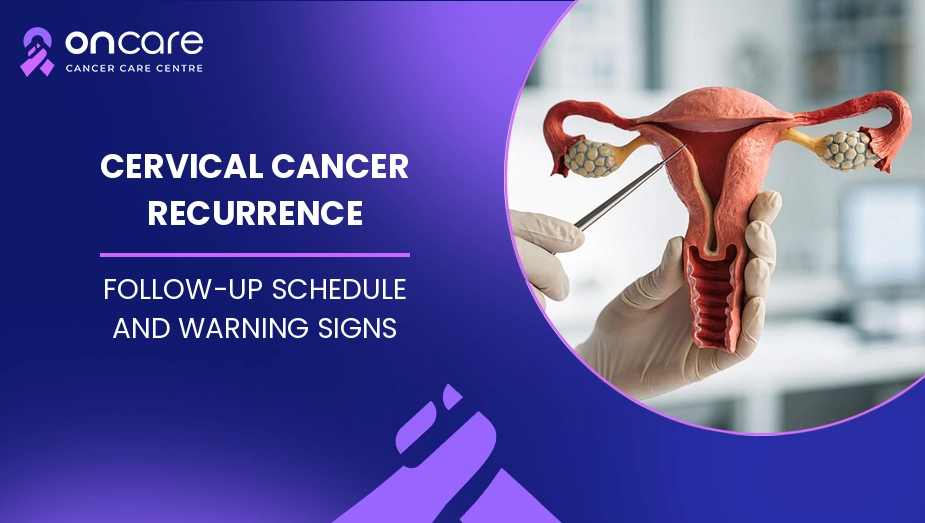
Cervical cancer recurrence means the cancer comes back after treatment, either in the cervix, nearby tissues, or another part of the body. Regular follow-up appointments, timely medical tests, and knowledge of warning signs such as abnormal bleeding, ongoing pelvic pain, or unexplained weight loss can help identify recurrence early and allow treatment to begin as soon as possible.
In this blog, we discuss why follow-up care matters, when the risk of recurrence is highest, symptoms not to ignore, recommended follow-up schedules, and ways to stay healthy after your treatment is completed.
Why Follow-Up Care Is Important After Cervical Cancer Treatment
Completing treatment for cervical cancer is an important milestone, but ongoing medical follow-up remains an important part of long-term care. Even with successful treatment, some patients may have a recurrence of cancer.
Since most relapses occur in the first few years after treatment, planned follow-up visits are especially critical at this time. These sessions are opportunities for your health care team to assess your recovery, look for new symptoms, manage any adverse effects of therapy and, where feasible, catch a recurrence early.
Follow-up care is also an opportunity to discuss emotional wellbeing, sexual health, fertility issues, menopause symptoms and lifestyle changes that promote overall health.
What Is Cervical Cancer Recurrence?
Cervical cancer recurrence is the return of cancer after it has responded to treatment and was undetectable.
Recurrence can be of several types:
- Local recurrence: Cancer comes back in the cervix or the area where it first started.
- Regional recurrence: The cancer recurs in the local lymph nodes or other tissues of the pelvis.
- Distant recurrence: Cancer spreads to organs such as the lungs, liver, bones, or other parts of the body far away.
The likelihood of recurrence is influenced by the initial stage of disease, lymph node status, tumour features, and treatments received.
Cervical Cancer Treatment Follow-Up Schedule
How often you need to see your healthcare provider depends on your diagnosis and treatment. But generally, regular visits are advised.
Time After Treatment | Routine Follow-Up |
|---|---|
Initial 2 years | Every 3-6 months |
Years 3 to 5 | Every 6-12 months |
After 5 years | Every year or as directed by your doctor |
Your doctor will choose tests depending on your particular circumstances rather than using the same approach for everyone.
What Happens During a Follow-Up Visit?
During these visits, your healthcare provider may carry out:
- A physical exam.
- A pelvic exam.
- Cervical or vaginal cytology as indicated.
- Imaging if symptoms or physical findings are suggestive of recurrence.
- Blood testing only if clinically indicated.
Warning Signs Not to Be Overlooked
Not every symptom suggests the cancer has returned, but it's important to have some changes checked out right away.
Abnormal Vaginal Bleeding
Report any vaginal bleeding that is unexplained, occurs after sex, or occurs after menopause to your health care provider.
Chronic Pelvic Pain
Pain that lasts for weeks or gets worse over time should be seen by a medical professional, especially if it is different from previous pain due to treatment.
Abnormal Vaginal Discharge
Persistent foul-smelling, bloody or abnormal vaginal discharge may necessitate further investigation.
Swelling in the Legs
If the lymph nodes become swollen, they may interfere with normal lymphatic drainage and cause swelling of one or both legs.
Trouble Passing Urine or Stool
Report any change in bladder or bowel habits, pain when urinating or difficulty passing stool to your oncology team.
Unexplained Weight Loss or Tiredness
Don't dismiss unexplained weight loss, loss of appetite, or continued fatigue or weakness lasting several weeks.
Does Every Symptom Mean Recurrence?
Fortunately, no. Many symptoms following cervical cancer therapy are due to healing, effects of radiation, menopause, scar tissue, or other medical conditions not related to cervical cancer.
But since it might be difficult to know the cause without a professional assessment, it is always best to report any persistent or new symptoms to your doctor, rather than waiting for them to improve on their own.
Tests for Detection of Recurrence
The routine follow-up of each patient is predominantly clinical rather than radiologic. If a recurrence is suspected, your doctor may suggest:
- CT scan
- MRI scan
- PET-CT scan
- Biopsy
- Blood testing if indicated
The type of investigation will depend on your symptoms, the findings on examination and the history of previous treatment.
Reducing the Risk of Relapse
You may not be able to prevent recurrence, but healthy practices can help your overall recovery and long-term health.
Helpful lifestyle measures are:
- Go to all scheduled follow-up appointments.
- Avoid using tobacco products.
- Eat a balanced, healthy diet.
- Follow your doctor's recommendations about becoming physically active.
- Keep your weight in a healthy range.
- Report new symptoms as soon as they occur.
The most crucial steps you can take following treatment are to follow your treatment plan and stay in regular contact with your health care provider.
Emotional Well-Being at Follow-Up
Many survivors of cervical cancer fear that their cancer will return, or they feel anxious before their follow-up appointments. These feelings are expected and are normal.
You may also want to talk openly with your oncology team, seek support from family and friends, join cancer support groups, or consult with a mental health expert to help you deal with these issues.
Emotional well-being is an important aspect of survivorship care.
Life After Cervical Cancer
Women are usually followed up regularly after treatment for cervical cancer, and many go on to lead busy and fulfilling lives. Knowing your follow-up schedule, the warning signs to look out for, and staying current with regular medical care can help you feel more confident as a survivor.
The best chance for rapid identification and treatment of recurrence, should it occur, is early assessment of any new symptoms.
If you want to read more about cervical cancer, you may visit the official website of the National Cancer Institute.
Consult Today
After finishing treatment for cervical cancer, you may have questions about follow-up care or new symptoms you develop. A discussion with an experienced team of oncology specialists can offer reassurance and medical advice promptly. At Oncare Cancer Hospital, our specialists provide tailored follow-up treatment to monitor your recovery, catch potential problems early, and support your general health following treatment for cervical cancer.
Disclaimer
This text is for educational purposes only and does not constitute professional medical advice, diagnosis or treatment. The follow-up schedule and risk of recurrence of cervical cancer vary for each patient. Always follow the advice of your oncologist about follow-up appointments, investigations and treatment. If you get any new or ongoing symptoms, see a doctor right away and don't try to self-diagnose.





Frequently Asked Questions
Most recurrences of cervical cancer happen within 2 to 3 years of finishing treatment, so it is particularly vital to attend your scheduled follow-up appointments during this time.
Warning indications may include irregular vaginal bleeding, pelvic pain, abnormal discharge, swelling in the legs, changes in bladder or bowel habits, unexplained weight loss or exhaustion.
Follow-up is normally every 3-6 months for the first 2 years, every 6-12 months for the next few years and then yearly, but timetables vary from person to person.
Yes. Treatment options depend on the site of recurrence, previous treatments received, general health, and other individual factors. Early detection can lead to more treatment options.
Written and Verified by:
Dr. Gajendra Kumar Himanshu Exp: 10 Yr
Medical Officer
Book an Appointment
Related Blogs
5 Ways to Manage Stress After a Cervical Cancer Diagnosis
Learn how to manage stress after cervical cancer diagnosis with coping tips, emotional support, healthy routines, and expert guidance at Oncare Cancer Hospital.

Cervical Cancer Screening Test: When and How Often Should You Do It?
Protect your health with a cervical cancer screening test. Learn when and how often to get tested. Visit Oncare Cancer Hospital for expert care and early detection.

Cervical Cancer Awareness Month: Know the Facts, Save Lives
Learn more about cervical cancer and its signs and symptoms and the importance of World Cervical Cancer Awareness Month and its key facts and why cervical awareness matters!