Table of Contents
Throat Cancer Recurrence: Signs and Long-Term Monitoring

By Dr. Gajendra Kumar Himanshu


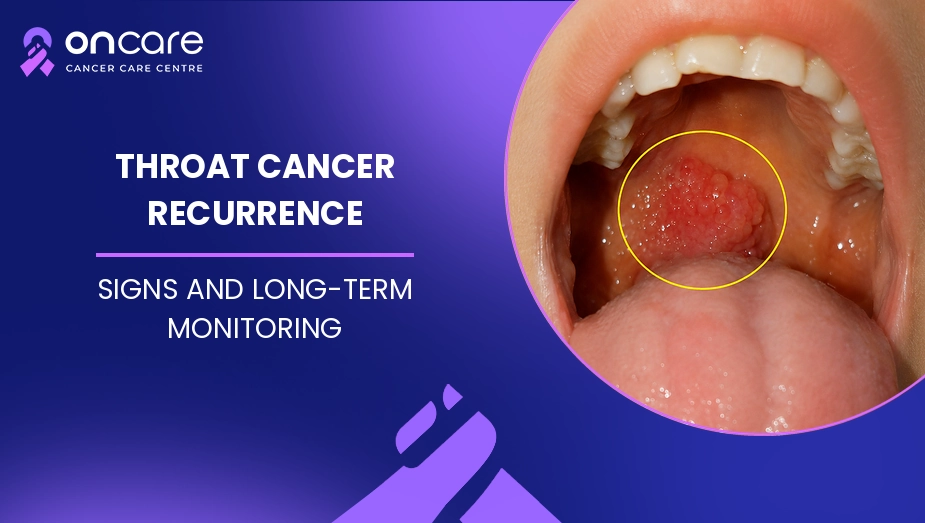
Throat cancer recurrence is when the cancer reappears after treatment, during a period of time when it was not detectable or was thought to be under control. It may return in the same region where the cancer began or in surrounding tissues. In other cases, it may return in other areas of the body. “Recurrence” seems scary when you hear it, but it’s important to remember that not every sign means that cancer is coming back, and many individuals do well with regular follow-up care and therapy if needed.
Knowing what symptoms may occur if the cancer returns and being under surveillance can help people stay alert, notice any changes and collaborate with their caregivers to ensure the best health outcomes after treatment.
In this blog, we’ll cover what throat cancer recurrence implies, common indications to look out for, why long-term monitoring is important, and how follow-up care helps promote continued health.
What Does Recurrence of Throat Cancer Mean?
After therapy, many people enter a period called remission. This signifies no cancer or that the cancer is under control.
But in certain circumstances, a few cancer cells can linger in the body. These cells might not show signs right away and sometimes remain inactive for a lengthy period of time.
If these cells start growing again, doctors may call this a recurrence.
Recurrence doesn’t always mean that there are limited treatment options. For many people, other therapeutic options are available, depending on their unique situation.
Why Does Throat Cancer Come Back?
There are many reasons why cancer may come back, and this is not something that patients can generally manage.
Possible causes could include:
- Some cancer cells survive treatment
- Cancer cells develop resistance to some medicines
- Variation in the biological behaviour of the cancer
- Personal health and treatment response factors
The risk of cancer recurrence varies from person to person and depends on several factors, including the kind and stage of the original malignancy.
Signs to Watch For That May Require Medical Attention
Many symptoms of recurrence may also be caused by non-cancerous illnesses. But if you have ongoing symptoms, you should talk to a doctor.
Possible indicators include:
- A persistent sore throat
- Hoarseness or changes in voice
- Trouble swallowing food
- A bump on the neck
- Persistent cough
- Pain in the ear
- Weight loss without reason
- Chronic fatigue
- Difficulty breathing
Don’t dismiss symptoms that linger, get worse or appear different.
Listening for Voice Changes
One of the more visible symptoms after therapy for throat cancer is a change in the voice.
Call your health care team if you have:
- Hoarseness lasting several weeks
- Trouble speaking clearly
- Changes in voice strength
- New voice symptoms that don’t get better
Early evaluation can help determine the cause and help guide care in the right direction.
Monitoring After Treatment: A Practical Guide
Symptom | What To Do |
|---|---|
Sore throat, ongoing | Tell your doctor |
Neck swelling | Request a medical assessment |
Difficulties swallowing | Contact your doctor right away |
Chronic hoarseness | If it continues, seek medical advice |
Unintended weight loss | Request additional evaluation |
The Importance of Long-Term Follow-Up Appointments
Many patients are happy when treatment finishes, but follow-up care remains a crucial aspect of recovery.
Regular monitoring allows health care staff to:
- Look for symptoms of recurrence
- Monitor the side effects of treatment
- Address new symptoms
- Help with rehabilitation and long-lasting health
- Provide advice on lifestyle and wellness
These visits help to make sure that any concerns are picked up and dealt with as early as possible.
Tests Doctors May Use While Monitoring
Depending on the unique conditions, doctors may recommend:
- Physical exams
- Imaging studies
- Endoscopy or laryngoscopy
- Blood work
- Biopsy if indicated
The kind of monitoring and how often it will be done will depend on medical history, treatment received, overall health and the doctor’s recommendations.
Taking Care of Yourself Between Appointments
Long-term follow-up care is vital.
Helpful behaviours can include:
- Attending follow-up appointments
- Reporting new symptoms immediately
- Not using tobacco products
- Limiting alcohol intake if suggested
- Good nutrition
- Staying active when suitable
Every day, small health decisions add up to the overall health of a survivor.
Emotional Well-Being Is Important, Too
It’s typical to worry that the cancer will come back following therapy.
Some people may feel:
- Anxious before follow-up visits
- Worried about new symptoms
- Uncertain about the future
- Tired of ongoing health concerns
These feelings are very frequent and understandable for cancer survivors.
Support can be provided by:
- Friends and family
- Cancer support groups
- Mental health practitioners
- Doctors
- Survivor communities
Talking about worries openly can frequently help lessen worry and increase confidence.
To Learn More From Reliable Sources
Reliable information can assist patients in understanding recurrence and follow-up care.
Readers can visit the National Library of Medicine for information regarding cancer survivorship and surveillance.
Thinking About Long-Term Recovery
When treatment for throat cancer ends, the recovery journey does not. Long-term monitoring allows healthcare professionals to follow up on progress, address issues, and enable patients to go forward.
No two people are in the same scenario. Monitoring plans and decisions about treatment depend on individual risk, family history, the results of genetic testing when relevant, overall health, treatment history and the doctor’s advice.
Consult Today
Throat cancer recurrence is when cancer comes back after a period of treatment and remission. Patients may worry about the chance of recurrence, but they can stay educated and supported via regular monitoring, paying attention to symptoms, and communicating with health care specialists. Persistent sore throat, change in voice, difficulty swallowing, or a lump in the neck should always be investigated if they persist or get worse. Decisions on treatment and monitoring should be based on personal risk, family history, findings of genetic testing, overall health, and advice from a clinician.
Oncare Cancer Hospital is a name you can trust for expert guidance, comprehensive cancer care, and compassionate support through diagnosis, treatment, and survivorship. They are committed to supporting patients and families at every stage of their cancer journey.





Frequently Asked Questions
This signifies the cancer has come back after treatment and a period of being controlled or undetectable.
The symptoms can include a chronic sore throat, voice change, difficulty swallowing, lumps in the neck, and unexplained weight loss.
They help doctors monitor recovery, raise concerns early, and watch for symptoms of recurrence.
No. Symptoms may be caused by diseases that are not cancer, but it’s important to talk to your healthcare professional if symptoms last for a while.
Written and Verified by:
Dr. Gajendra Kumar Himanshu Exp: 10 Yr
Medical Officer
Book an Appointment
Related Blogs
Throat Cancer: Early Warning Signs
The early warning signs of throat cancer, why they are easy to mistake for everyday throat problems, common risk factors, when to see a doctor, and how persistent symptoms are assessed.

How to Prevent Throat Cancer Naturally and Medically
Learn how to prevent throat cancer with healthy habits, diet, HPV vaccination, and regular checkups. Get expert care and screening at Oncare Cancer Hospital.
Is Oral Sex Linked to Throat Cancer? Facts vs Myths
Can oral sex cause throat cancer? Learn how HPV spreads, its link to throat cancer, warning signs, risk factors, and prevention with Oncare Cancer Hospital.

Types of Throat Cancer in Smokers vs Non-Smokers
Discover more about types of throat cancer in smokers vs. non-smokers, key risk factors in smokers vs. non-smokers, and treatment approaches and their prognosis.